
Redefining Structural Integrity with Modern Metals
The Renaissance of Advanced Casting Techniques
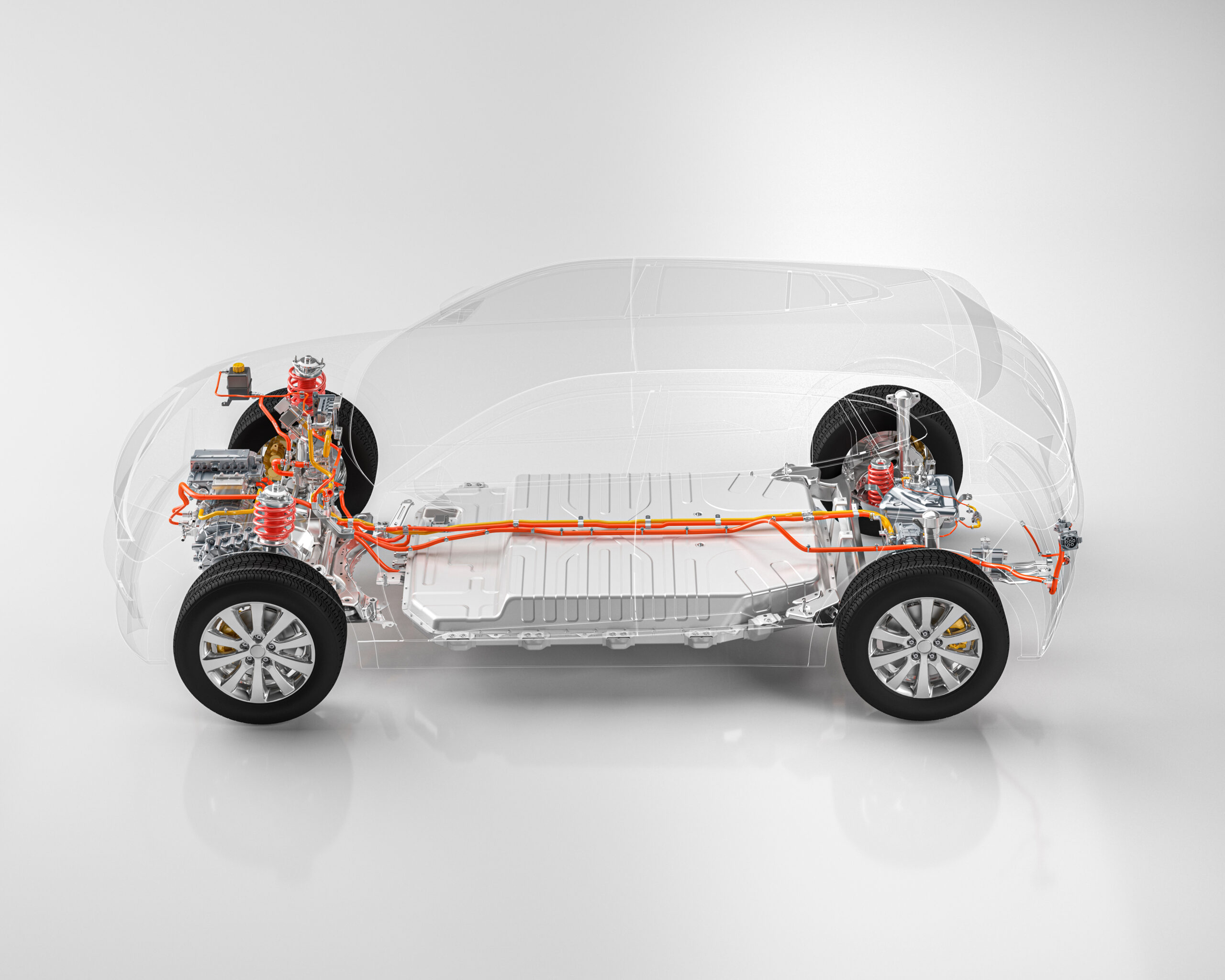
As the global shift toward electric mobility accelerates, the definition of what constitutes a car's skeleton is undergoing a radical change. For decades, steel was the undisputed king of automotive manufacturing, but the heavy demands of battery packs have forced engineers to look for lighter alternatives. The spotlight has firmly shifted to aluminum, but not just as a simple material swap. The true innovation lies in how this metal is processed. We are witnessing a move away from welding together hundreds of stamped steel parts toward utilizing massive, high-pressure die-casting machines. This technique allows for the creation of single-piece rear and front underbodies, effectively turning a jigsaw puzzle of components into a unified, solid structure.
This evolution in manufacturing does more than just shave off kilograms; it fundamentally alters the vehicle's rigidity. By eliminating joints and welds, the chassis becomes stiffer and more responsive, handling the instant torque of electric motors with greater stability. Furthermore, aluminum offers a circular lifecycle advantage. Unlike complex multi-material assemblies that are difficult to separate, these large cast aluminum structures can be more easily melted down and recycled at the end of the vehicle's life. This alignment of manufacturing efficiency with environmental responsibility marks a significant maturity in EV production, where the goal is to reduce the carbon footprint not just on the road, but throughout the entire production chain.
Harnessing the Featherweight Strength of Magnesium
While aluminum is the current standard-bearer for lightweighting, magnesium alloys are rapidly emerging as the ultimate frontier for structural weight reduction. As the lightest practical metal available to engineers, magnesium boasts an exceptional strength-to-weight ratio that surpasses even that of aluminum. Historically, magnesium was viewed as difficult to work with and prone to corrosion, but modern metallurgy has overcome these hurdles. New alloy formulations and coating technologies have made it possible to die-cast complex, high-strength components that are now finding their way into mass-market vehicles, not just high-end supercars.
The application of these alloys is particularly transformative in parts that hang far from the vehicle’s center of gravity, such as front-end carriers, instrument panel beams, and liftgates. By reducing weight in these specific areas, engineers can significantly improve the vehicle's handling dynamics, making the car feel more agile and less prone to understeer. Moreover, the integration of magnesium allows for thinner wall sections in casting without sacrificing durability. This capability is crucial for creating intricate housing for power electronics and transmission cases, where every gram saved translates directly to improved energy efficiency and extended range. The industry's growing confidence in magnesium signals a future where multi-metal architectures become the norm, blending the best properties of steel, aluminum, and magnesium.
| Feature | Aluminum Alloys | Magnesium Alloys | High-Strength Steel |
|---|---|---|---|
| Weight Reduction Potential | High | Very High | Moderate |
| Vibration Damping | Moderate | Excellent | Low |
| Manufacturing Complexity | Mature, widely available | Specialized casting required | Standard stamping/welding |
| Primary Use Case | Chassis, body panels, heat exchangers | Instrument beams, gearbox housings | Safety cage, pillars |
| Recyclability | Excellent | Good | Excellent |
The Silent Revolution of Composite Engineering
Balancing Silence and Weight with Hybrid Layers
One of the most ironic challenges of the electric vehicle era is the issue of noise. Without the masking sound of an internal combustion engine, road noise, wind buffeting, and structural vibrations become significantly more intrusive to passengers. Traditionally, solving this required heavy acoustic mats and thick insulation, which counteracted lightweighting efforts. The modern solution lies in a sophisticated approach known as Constrained Layer Damping (CLD). This technology involves creating a "sandwich" material where a thin, viscoelastic polymer layer is bonded between two sheets of metal, typically aluminum or steel.
When the vehicle creates vibration—whether from the road surface or the electric motor—this middle polymer layer shears and flexes, converting the kinetic vibrational energy into minute amounts of heat, which is then dissipated. The result is a dramatic reduction in structure-borne noise without the need for adding heavy, passive deadening materials. This approach allows manufacturers to use thinner metal panels for the exterior body and structural components because the composite nature of the material provides inherent rigidity and acoustic dampening. It is a prime example of multifunctional engineering, where a single material innovation solves two conflicting problems: the need for a whisper-quiet cabin and the imperative to keep the vehicle as light as possible.
Sustainable Interiors and Structural Fibers
The interior of a vehicle is another battleground for weight reduction, and here, the revolution is being led by bio-based composites and advanced carbon fiber applications. The era of heavy, injection-molded plastics and genuine wood veneers is giving way to "eco-synthetic" materials. Engineers are increasingly utilizing plant-based fibers, such as flax, hemp, and bamboo, suspended in a resin matrix. These natural fibers are not only renewable but also possess a density significantly lower than traditional glass fibers. When molded into door panels, dashboards, and seat frames, they offer a unique aesthetic while contributing to a lower overall vehicle weight.
Simultaneously, the use of carbon fiber reinforced plastics (CFRP) is democratizing. Once the exclusive domain of Formula 1 and aerospace, new production methods have lowered the cost of CFRP, allowing for its use in "civilian" vehicle structures. Rather than making an entire tub out of carbon fiber, manufacturers are placing it strategically—reinforcing roof rails or B-pillars—to lower the center of gravity. Furthermore, the development of non-woven carbon fiber mats and recycled carbon composites is reducing waste. These materials maintain a high degree of strength but can be produced faster and cheaper than traditional woven fabrics, making high-performance lightweighting accessible to a broader range of electric vehicle segments.
Mastering Heat and Micro-Engineering
Thermal Management Through Advanced Ceramics and Foams
In the world of high-voltage electromobility, heat is both a byproduct and a hazard. Controlling it requires materials that are not just thermally resistant but also chemically stable and lightweight. This has led to the rapid adoption of inorganic fiber materials, such as alumina fibers, which act as critical barriers around battery modules. These materials can withstand temperatures exceeding 1200 degrees Celsius, preventing thermal runaway propagation in the event of a cell failure. Unlike traditional heavy ceramic tiles, these fibrous mats are flexible and air-light, providing maximum safety with minimal mass penalty.
Parallel to this is the fascinating development of metal foams. By introducing gas into molten metal (often aluminum) during the cooling process, engineers create a cellular structure that resembles a metallic sponge. This foam is mostly air, making it incredibly light, yet it retains the structural rigidity of the base metal. These foams are revolutionizing cooling systems and crash structures. In a crash, the porous structure collapses in a controlled manner, absorbing massive amounts of energy. In thermal applications, the complex internal surface area of the foam makes it an exceptional heat exchanger, dissipating heat from batteries and electronics far more efficiently than solid blocks of metal.
| Material Solution | Primary Thermal Function | Secondary Benefit | Ideal Application |
|---|---|---|---|
| Alumina Fiber Mats | Extreme heat insulation | Fire retardation | Battery pack lining |
| Metal Foams | Heat dissipation | Impact energy absorption | Crash boxes, heat exchangers |
| Phase Change Materials | Temperature regulation | Peak load buffering | Battery cell cooling |
| Graphite Sheets | Directional heat spreading | EMI shielding | Electronics, inverters |
The Nano-Scale Frontier in Vehicle Dynamics
The final frontier of lightweighting isn't visible to the naked eye; it exists at the molecular level. Nanotechnology is reshaping the properties of resins and coatings used throughout EVs. For instance, the integration of graphene and carbon nanotubes into polymers is creating a new class of conductive and structural composites. When added to the resin matrix of a carbon fiber part, these nanoparticles bridge the gaps between fibers, significantly enhancing the material's resistance to cracking and fatigue. This allows for thinner composite parts that last longer under the stress of daily driving.
Moreover, nanotechnology is solving the conductivity puzzle. In electric drivetrains, maximizing the flow of electricity while minimizing heat buildup is crucial. New nanocomposites are being used in thermal interface materials—the pastes and pads that sit between a hot chip and a cooling plate. By aligning particles at a microscopic level, these materials channel heat away from sensitive electronics with unprecedented speed. Additionally, "green" nanotechnology is emerging, utilizing carbon derived from agricultural waste like rice husks to create lightweight, reinforcing fillers. This holistic approach ensures that the drive for lighter, faster, and more efficient vehicles extends all the way down to the atoms that hold them together.
Q&A
-
What are the advantages of using Graphene Reinforced Composites in engineering applications?
Graphene Reinforced Composites offer several benefits in engineering, including enhanced mechanical properties such as strength and stiffness, improved thermal and electrical conductivity, and reduced weight. These properties make them ideal for applications in aerospace, automotive, and sports equipment industries, where performance and efficiency are critical. -
How do Carbon Fiber Foam Panels contribute to energy efficiency in construction?
Carbon Fiber Foam Panels are lightweight and provide excellent insulation, which can significantly reduce heating and cooling costs in buildings. Their strength-to-weight ratio also allows for innovative architectural designs that require less structural support, further contributing to material efficiency and sustainability in construction projects. -
In what ways can Aluminum Foam Chassis improve vehicle performance?
Aluminum Foam Chassis can improve vehicle performance by reducing overall weight, which enhances fuel efficiency and acceleration. Additionally, their ability to absorb energy during collisions increases passenger safety. The use of aluminum foam also provides excellent vibration damping, leading to a smoother ride. -
Why are High Strength Magnesium Alloys considered beneficial for manufacturing lightweight components?
High Strength Magnesium Alloys are among the lightest structural materials available, making them ideal for manufacturing lightweight components without compromising strength. They are particularly beneficial in the automotive and aerospace industries, where reducing weight can lead to improved fuel efficiency and performance. -
What challenges are associated with Multi Material Joining, and how are they addressed?
Multi Material Joining involves connecting different materials with varying properties, which can lead to challenges such as thermal expansion mismatches and galvanic corrosion. These challenges are addressed through advanced joining techniques like adhesive bonding, mechanical fastening, and friction stir welding, which ensure durable and reliable connections between dissimilar materials.