
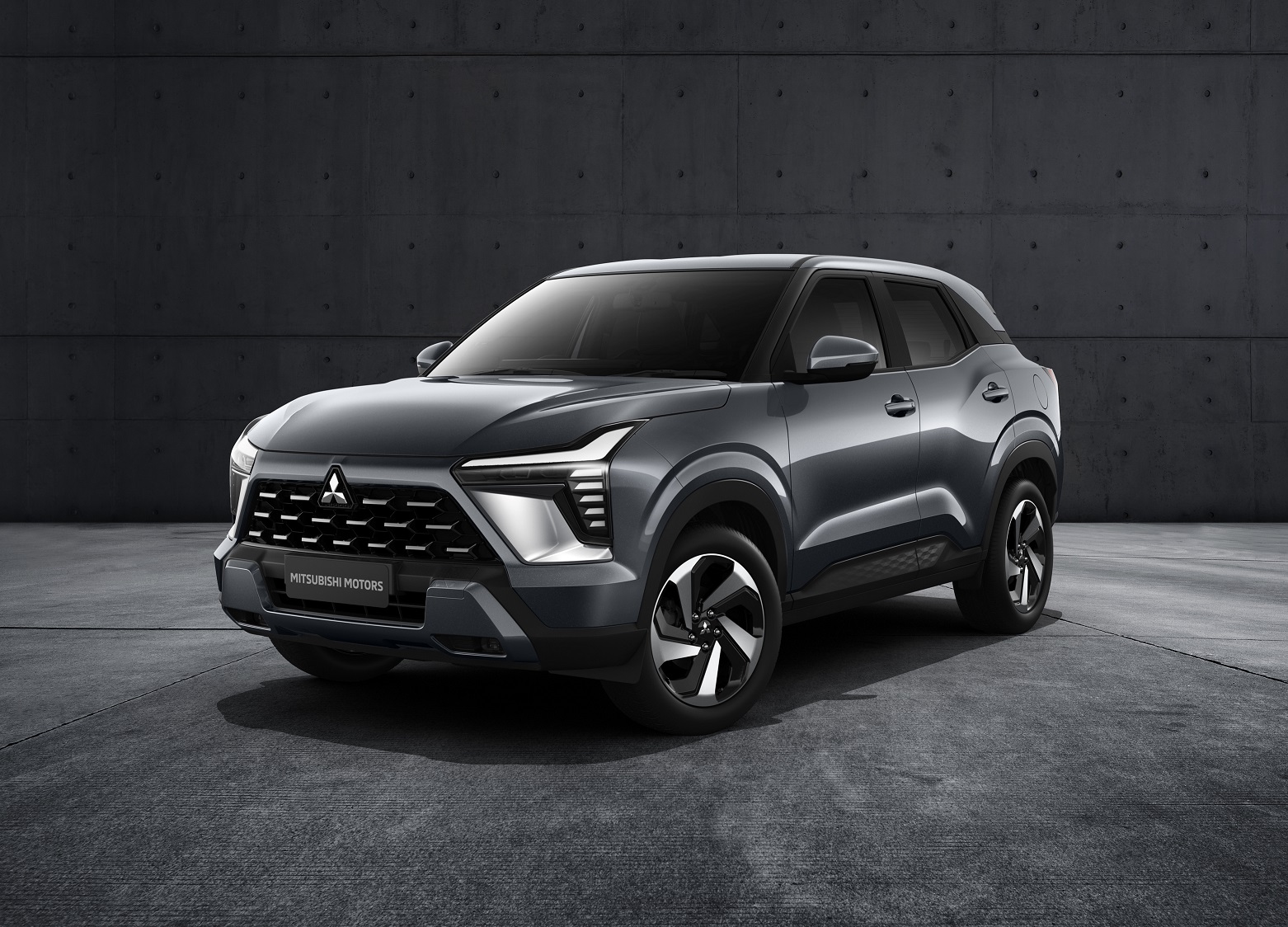
Harmonizing Fluid Dynamics with Urban Design
The Evolution from Boxy Silhouettes to Streamlined Efficiency
Observing the trajectory of modern vehicle design, there is a distinct departure from the "utilitarian box" aesthetic that once defined the segment. The contemporary approach favors fluid contours and softened edges, particularly in models intended for metropolitan environments. This shift is not merely a pursuit of visual elegance; it is deeply rooted in the necessity for efficiency. By smoothing the airflow over the chassis, designers achieve significant reductions in wind noise and drag, which directly translates to improved fuel economy and a quieter cabin experience.
The emergence of the "coupe-like" profile is perhaps the most striking example of this trend. By tapering the roofline toward the rear, designers mitigate the visual heaviness often associated with taller vehicles. This architectural choice imparts a sense of agility and forward motion, even when the vehicle is stationary. It bridges the gap between the practicality of a high-riding carrier and the emotional appeal of a sports tourer. Crucially, this styling is executed with a careful balance to ensure that the interior headroom and cargo capacity remain functional, proving that aerodynamic optimization does not require sacrificing the utility that defines the class.
Functional Engineering Concealed Within the Form
When examining the exterior surface closely, it becomes evident that many design elements serve a dual purpose. What appears to be a stylistic flourish often performs a critical aerodynamic function. Consider the subtle vents positioned at the corners of the front bumper or door handles that sit flush against the body panel. These are not arbitrary decorations; they are calculated engineering solutions designed to channel air efficiently, reduce turbulence around the wheel arches, and enhance high-speed stability.
This philosophy of "functional beauty" eliminates superficial clutter, resulting in a cleaner, more sophisticated appearance. The result is a vehicle that feels at home reflecting the lights of a city skyline yet possesses the engineering integrity to handle open highways with composure. By integrating these technical requirements directly into the visual language of the bodywork, manufacturers create a seamless blend of art and science. The aesthetic appeal implies performance and intelligence, resonating with drivers who value purposeful design that enhances their daily commute while hinting at the potential for speed and efficiency.
The Architecture of Capability and Stance
Redefining Ride Height for Modern Adventures
A fascinating trend in the current landscape, particularly within the electrified sector, is the reinvention of the vehicle's stance. There is a growing emphasis on substantial ground clearance—often ranging between 23 to 25 centimeters—without compromising the vehicle's civilized road manners. This elevation serves a practical role, allowing the chassis to clear rocks and uneven terrain without underbody contact, but visually, it communicates a "go-anywhere" readiness that appeals to the adventurer in every driver.
Beneath this rugged posture often lies a unibody platform derived from passenger cars, rather than the ladder-frame construction of the past. This hybrid approach offers the best of both worlds: the visual toughness and clearance of a cross-country explorer, paired with a suspension tuned for pavement. The result is a ride that absorbs the imperfections of a crumbling city street as effectively as it handles a gravel trail. It creates a psychological safety net for the owner, knowing that their daily commuter is over-engineered for the grocery run but perfectly capable of a muddy weekend escape.
| Feature Category | Urban Application Benefit | Off-Road/Adventure Benefit |
|---|---|---|
| High Ground Clearance | Prevents scraping on steep driveways, curbs, and potholes. | Allows safe passage over rocks, ruts, and uneven trails. |
| Protective Cladding | Guards against door dings and shopping cart impacts in parking lots. | Protects body paint from brush, gravel spray, and debris. |
| Upright Window Angles | Maximizes interior volume and visibility for tight maneuvering. | Provides excellent sightlines for placing wheels on technical terrain. |
| Unibody Platform | Delivers car-like handling and stability on highways. | Offers sufficient rigidity without the excessive weight of heavy frames. |
Rugged Aesthetics in Compact Dimensions
Even in smaller, premium urban crossovers, there is a decisive move toward "rugged" visual cues. Designers are increasingly utilizing upright glass areas and squared-off wheel arches to project strength and stability, countering the notion that compact implies fragile. These cues mimic the solidity of classic four-wheel drives, providing excellent visibility that helps the driver place the vehicle accurately on the road—a trait that is as useful in a narrow parking garage as it is on a forest track.
The suspension geometry in these compact models is often tuned to be slightly firmer yet compliant, designed to soak up the sudden shocks of urban "off-roading"—construction plates, potholes, and speed bumps. By standardizing all-wheel-drive systems across many trim levels, manufacturers ensure that the aggressive look is backed by genuine traction capabilities. This combination grants the driver a sense of invincibility; the vehicle looks and feels ready for a cross-country expedition, even if the journey is only as far as the local office. It is about selling the capacity for adventure, integrated into a package size that remains manageable for city living.
Illuminating Identity and Utility
Lighting as the New Visual Signature
In the modern era, lighting has transcended its traditional role of mere illumination to become the primary identifier of a vehicle’s character. The "face" of the car is no longer defined solely by the grille but by the intricate signature of its LEDs. We are seeing a proliferation of full-width light bars that stretch across the front or rear, emphasizing the vehicle's width and planting it visually on the road. These elements often feature complex, jewel-like internal structures that reveal depth and sophistication when viewed up close.
The interaction between the car and the driver has also evolved through light. Approach the vehicle, and it may greet you with a dynamic sequence—headlights swiveling or pulsing, and door handles illuminating in a welcoming gesture. This theater creates an emotional bond, transforming a cold machine into a responsive partner. At the rear, three-dimensional lens sculpting adds texture to the bodywork, ensuring the vehicle looks just as compelling when the lights are off as when they are engaged. It allows for a duality of character: understated and sleek by day, yet unmistakable and vibrant by night.
Functional Footwork and Overhead Versatility
The choice of wheels and tires is the final, critical stroke in the design canvas. The current preference leans toward matte finishes and functional spoke designs that prioritize heat dissipation and durability over high-gloss fragility. There is a conscious effort to balance rim size with tire sidewall height. While large wheels look dramatic, retaining enough tire profile is essential for preserving ride quality and protecting the rim from damage—a design decision that visually reinforces the vehicle's dual-purpose nature.
Above the cabin, the roof has evolved from a simple enclosure to a hub of utility and experience. Integrated rails are no longer clumsy afterthoughts but are sculpted into the aerodynamic profile, ready to accept carriers for kayaks or bikes without ruining the vehicle's lines. Simultaneously, the widespread adoption of panoramic glass roofs invites the outside in, connecting occupants with the environment. This combination of "carrying capacity" and "open-air freedom" perfectly encapsulates the spirit of the modern SUV: a machine designed to look good in the driveway while constantly promising the potential for a journey into the wild.
| Component Design | Visual Impact | Functional Advantage |
|---|---|---|
| Matte Finish Wheels | Hides brake dust and scratches; offers a stealthy, technical look. | Low maintenance; resists visible wear from harsh environments. |
| All-Terrain Tread | Aggressive block patterns suggest immense capability and toughness. | Provides grip in mud/snow; modern compounds keep road noise low. |
| Integrated Roof Rails | Sleek profile that blends with the car's silhouette; reduces visual noise. | ready-to-use mounting points; aerodynamic shape reduces wind howl. |
| Panoramic Glass | Creates a contrasting black roof aesthetic; looks premium and modern. | Increases perceived interior space; allows passengers to view nature. |
Q&A
-
What are the benefits of using aerodynamic body shapes in vehicle design?
Aerodynamic body shapes are designed to reduce air resistance, which can enhance fuel efficiency and improve vehicle performance. By minimizing drag, vehicles can achieve higher speeds and better handling. Additionally, aerodynamic designs can contribute to lower emissions, making them an environmentally friendly choice. -
How does ground clearance design impact a vehicle's performance?
Ground clearance design affects a vehicle's ability to navigate different terrains. Higher ground clearance is beneficial for off-road conditions, as it allows the vehicle to clear obstacles without damage. Conversely, lower ground clearance can improve stability and handling on paved roads by lowering the vehicle's center of gravity. -
Why are wheel and tire configurations important in automotive design?
Wheel and tire configurations play a crucial role in determining a vehicle's traction, handling, and ride comfort. The right combination can enhance a vehicle's performance in various driving conditions, improve fuel efficiency, and provide a smoother ride. Different configurations can also affect the aesthetic appeal and overall style of the vehicle. -
What role do lighting signature elements play in modern vehicles?
Lighting signature elements, such as LED daytime running lights and unique taillight designs, contribute to a vehicle's brand identity and aesthetic appeal. They improve visibility and safety by ensuring the vehicle is easily seen by other drivers. Additionally, advanced lighting technology can adapt to driving conditions, further enhancing safety. -
How does roof rail integration benefit vehicle functionality?
Roof rail integration provides additional cargo-carrying capacity, allowing for the attachment of roof racks and carriers for bicycles, luggage, or sports equipment. This feature enhances the vehicle's versatility and utility, making it suitable for a wider range of activities and travel needs. -
What are exterior trim packages, and how do they enhance a vehicle's design?
Exterior trim packages offer a way to customize and enhance the visual appeal of a vehicle. They can include features like chrome accents, unique paint finishes, and custom grilles. These packages allow buyers to personalize their vehicles, adding a touch of luxury or sportiness to suit individual tastes and preferences.