
The Reality of Heavy-Duty Electrification
Balancing Power and Practicality in Modern Logistics
The transformation sweeping through the automotive industry is no longer confined to compact city cars or luxury sedans. A close analysis of recent market movements reveals that this wave of change is crashing heavily onto the shores of the heavy-duty and commercial vehicle sectors. However, unlike the passenger vehicle market, which is rapidly converging on pure battery-driven solutions, the commercial landscape is adopting a more nuanced approach. It is not simply a race to abandon internal combustion overnight; rather, it is a strategic exploration of diverse powertrains. While pure electric models are capturing headlines, there is a growing and significant presence of hybrid configurations and range-extender technologies designed to bridge the gap between environmental goals and logistical realities.
For fleet operators and business owners, this diversity is crucial. The decision to electrify a fleet isn't just about carbon footprints; it is a calculation of reliability and uptime. A pure battery system might work perfectly for last-mile delivery vans that return to a central depot every night, but for long-haul transport, the unpredictability of charging access remains a hurdle. Consequently, the market is seeing a surge in "work-ready" solutions that prioritize consistent performance. Manufacturers are engineering platforms that maintain the rugged durability expected of commercial haulers while integrating high-voltage systems. This evolution suggests that the future of logistics will likely be a mosaic of technologies, where the specific use case—be it cross-country hauling or urban construction—dictates the powertrain, ensuring that the push for green energy does not compromise the essential utility of these machines.
The Towing Dilemma and Range Anxiety
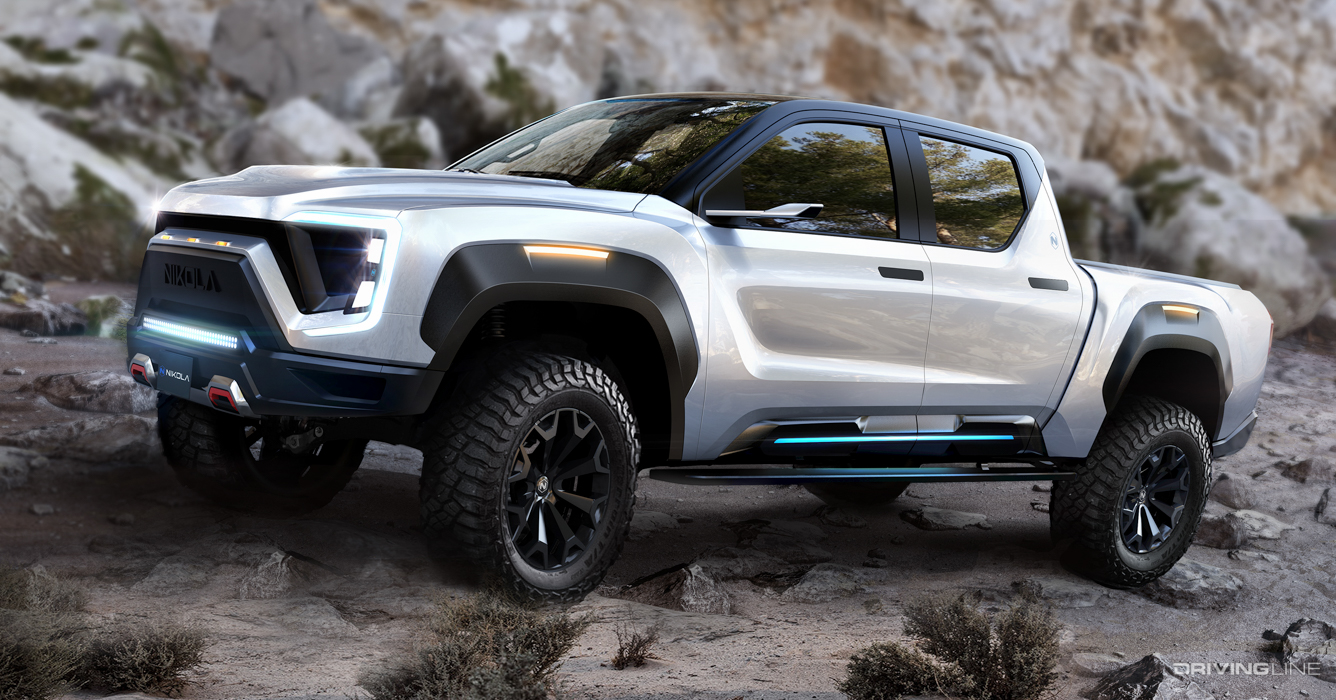
When we shift focus to the consumer side of trucks, particularly the burgeoning segment of electric pickups, the advancements are undeniable. Modern electric trucks offer a driving experience that starkly contrasts with their diesel predecessors; they provide instant torque, whisper-quiet cabins, and acceleration figures that rival high-performance sports cars. Furthermore, the ability to use the truck’s massive battery pack as a mobile generator to power job sites, camping equipment, or even an entire home during a blackout creates a value proposition that internal combustion engines simply cannot match. These features have successfully attracted a new demographic of buyers who value tech-forward utility.
However, the laws of physics present a formidable challenge when these vehicles are put to their traditional tests. The primary concern for prospective owners revolves around towing capacity and its direct impact on driving distance. While an unladen electric truck might boast an impressive range, hitching a heavy trailer or hauling a maximum payload can slash that range dramatically—sometimes by as much as half. The energy required to move heavy mass, combined with the aerodynamic drag of a boxy trailer, depletes batteries at an alarming rate. This creates a significant logistical headache for users planning long trips, as they must stop more frequently to recharge, often in spaces that are not designed to accommodate a truck and trailer combination. Manufacturers are acutely aware of this "towing penalty" and are racing to improve battery density and thermal management, but for now, it remains the single biggest hurdle for heavy-duty users transitioning from fossil fuels.
Infrastructure and Operational Hurdles
The Quest for Reliable Energy Replenishment
The viability of large-scale electric adoption hinges less on the vehicles themselves and more on the ecosystem that supports them. While battery technology captures the imagination, the charging infrastructure constitutes the backbone of the entire operation. For large vehicles with massive battery packs, the standard charging speeds acceptable for a small sedan are insufficient. The industry is witnessing a push for megawatt-level charging solutions that can replenish a truck's energy reserves during a driver's mandatory rest break. However, the current reality often involves a struggle with reliability. Reports of broken chargers, software hand-shake failures between vehicle and station, and erratic power delivery are common, turning tight logistical schedules into stressful gambles.
The distinction between "depot charging" and "on-the-go charging" is becoming increasingly sharp. For businesses, the ability to control their own energy supply at a central hub offers stability, but it requires significant capital investment in grid upgrades. On the flip side, relying on public networks exposes drivers to the inconsistencies of the current grid. The chart below outlines the operational trade-offs that fleet managers and private owners must navigate when planning their energy strategies.
| Feature Comparison | Private Depot / Home Base Charging | Public High-Speed Network |
|---|---|---|
| Primary Use Case | Overnight replenishment or downtime charging for predictable routes. | Long-haul travel and emergency top-ups during active duty cycles. |
| Cost Predictability | High stability; electricity rates can be negotiated or offset by solar. | Variable; rates fluctuate based on provider, time of day, and location. |
| ** reliability** | High; equipment is maintained by the owner and restricted to authorized use. | Mixed; subject to outages, queues, and compatibility issues with different vehicles. |
| Convenience | Excellent; plug in and walk away. No waiting time during active hours. | Low to Medium; requires route deviation and idle time while charging. |
| Grid Impact | Can be managed with smart software to charge off-peak. | High immediate demand; often incurs demand charges during peak hours. |
Economic Viability and Regulatory Support
Beyond the technical specifications, the economic landscape of electric trucking is heavily influenced by external factors, primarily government policy and supply chain stability. The transition to electric fleets involves a high upfront cost, often referred to as the "green premium." To offset this, various regions have implemented aggressive incentive programs, tax breaks, and grants designed to lower the barrier to entry. These financial levers are essential for accelerating adoption, as they help businesses justify the capital expenditure before the long-term savings on fuel and maintenance kick in. However, the inconsistency of these policies creates a climate of uncertainty. When regulations fluctuate or subsidies are threatened with expiration, investment in both vehicles and charging infrastructure tends to stall, creating a "wait and see" approach among buyers.
Furthermore, the supply chain for critical components remains a bottleneck. The manufacturing of these giants requires a steady stream of semiconductors and battery minerals. Disruptions in the global supply chain can lead to long wait times for repairs, which is a critical issue for commercial vehicles where downtime equates to lost revenue. The industry is also grappling with the lifecycle management of these massive batteries. Developing a circular economy where spent batteries are recycled or repurposed for static energy storage is not just an environmental imperative but an economic one. Establishing a robust path for battery end-of-life will eventually stabilize the residual value of these trucks, making the total cost of ownership more attractive to second-hand buyers and fleet managers alike.
Innovations Redefining the Driving Experience
Advanced Maneuverability and Off-Road Capability
One of the most surprising developments in the electric truck sector is the radical reinvention of how these large vehicles handle. Historically, driving a full-size truck meant dealing with a wide turning radius and cumbersome maneuverability in tight spaces. Electric platforms are dismantling this stereotype through the integration of advanced chassis technologies. Features like four-wheel steering are becoming increasingly common, allowing the rear wheels to turn in the opposite direction of the front wheels at low speeds. This effectively shrinks the wheelbase, enabling massive trucks to navigate parking lots and narrow job sites with the agility of a much smaller vehicle. Some models have even introduced "crab walking" capabilities, where all four wheels turn in the same direction, allowing the vehicle to slide diagonally—a feature that proves invaluable in complex off-road recovery scenarios.
Moreover, the replacement of mechanical linkages with "steer-by-wire" systems is changing the driver's connection to the road. By using electrical signals to control the steering rack, manufacturers can implement variable steering ratios. This means a driver might only need to turn the wheel slightly to execute a sharp turn at low speeds, reducing arm fatigue during complex maneuvers. When combined with the precise torque vectoring capabilities of electric motors—where power can be sent instantly to the individual wheel with the most traction—these trucks offer a level of control that mechanical differentials struggle to match. Whether crawling over rocks or navigating a slushy construction site, the software-driven drivetrain provides a sense of confidence and safety that redefines the expectations for heavy-duty vehicle dynamics.
Safety, Health, and the Driver Environment
The shift to electric propulsion brings with it a suite of benefits that extend directly to the health and safety of the operator and the surrounding community. The most immediate impact is the elimination of tailpipe emissions. In the context of heavy trucking, this is a monumental shift. Diesel exhaust has long been linked to respiratory issues and poor air quality, particularly in urban centers and near distribution hubs. By removing this pollution source, the immediate working environment for drivers and dock workers becomes significantly cleaner. Additionally, the reduction in noise pollution and vibration reduces driver fatigue, a critical factor in long-haul safety. The smooth, silent operation of an electric powertrain allows for a more focused and less physically draining driving experience.
Technological integration further enhances safety through advanced driver-assistance systems (ADAS). Because electric trucks are inherently digital, integrating sensors, cameras, and radar systems is more seamless than in legacy platforms. These vehicles can actively monitor blind spots, assist with lane-keeping, and even automate emergency braking with faster reaction times than human reflexes. For fleet owners, this translates to fewer accidents and lower insurance premiums. The table below highlights how the transition to electric platforms influences the decision-making process for potential buyers, comparing the traditional attributes of internal combustion engines (ICE) with the emerging benefits of electric vehicles (EV).
| Decision Factor | Traditional Diesel / Gas Truck (ICE) | Electric Truck (EV) |
|---|---|---|
| Maintenance | High; requires oil changes, transmission fluid, filter replacements, and brake pads wear faster. | Low; fewer moving parts, regenerative braking extends brake life, no oil changes. |
| Performance Feel | Linear power build-up; noise and vibration increase with RPM; shifting gears causes momentary power loss. | Instant torque from zero RPM; smooth, silent acceleration; no gear shifts. |
| Space Utilization | constrained by engine block, transmission tunnel, and fuel tank placement. | High flexibility; flat floors, front trunk ("frunk") storage, and onboard power outlets. |
| Long-Term Value | Well-understood depreciation curve; high dependence on fluctuating fuel prices. | Evolving resale market; lower operating costs offset higher purchase price over time. |
| Environmental Footprint | High operational emissions; relies on fossil fuels. | Zero tailpipe emissions; overall footprint depends on the energy source of the grid. |
Q&A
-
How do battery-electric pickups compare to traditional trucks in terms of towing capacity?
Battery-electric pickups often offer impressive torque, which can enhance their towing capacity compared to traditional internal combustion engine trucks. However, the range of electric pickups can be significantly impacted when towing heavy loads, requiring careful planning for longer trips.
-
What is the impact of towing on the range of electric trucks?
Towing heavy loads can reduce the range of battery-electric trucks by a substantial margin, sometimes up to 50% or more depending on the weight of the load and driving conditions. This makes it important for drivers to consider their towing needs and plan their routes with available charging stations in mind.
-
What are some benefits of commercial EV trucks for businesses?
Commercial EV trucks can offer businesses cost savings on fuel and maintenance, as well as potential government incentives. They also provide environmental benefits by reducing emissions, which can enhance a company's sustainability profile and appeal to environmentally conscious consumers.
-
How can electric truck owners manage home charging effectively?
Home charging for electric trucks can be managed by installing a Level 2 home charging station, which offers faster charging times than standard outlets. Owners should also take advantage of off-peak electricity rates and consider smart chargers that optimize charging based on grid demand and costs.
-
What government incentives are available for electric truck buyers?
Government incentives for electric truck buyers vary by country and region but often include tax credits, rebates, and grants aimed at reducing the initial purchase cost. These incentives are designed to encourage the adoption of electric vehicles and can significantly lower the overall cost of ownership.