
Visualizing the Drive Before the Keys Arrive
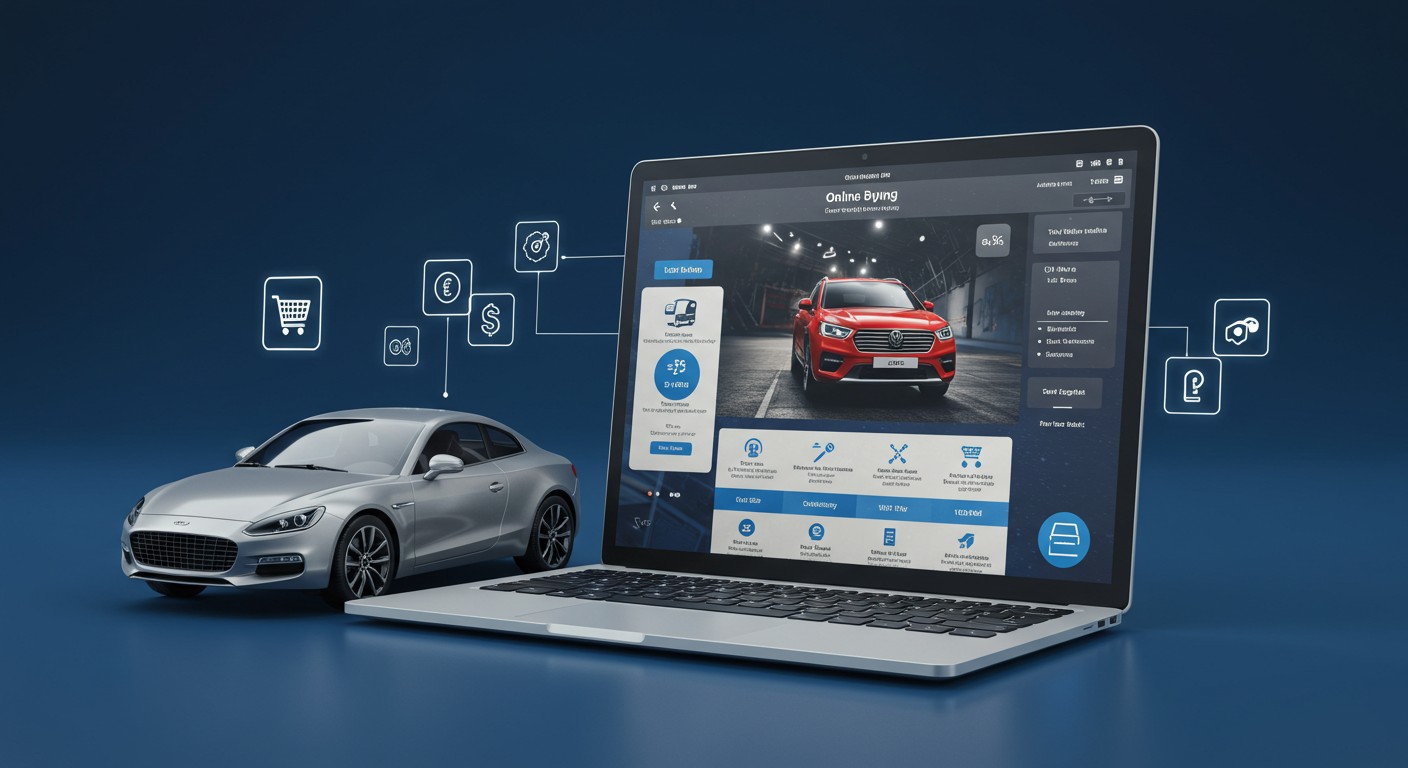
The most significant psychological barrier to buying a vehicle online has always been the inability to physically inspect the machine. However, the industry has pivoted from static images to dynamic, interactive experiences that often reveal more detail than the naked eye might catch in a dimly lit parking lot.
Immersive Digital Inspections
The days of relying on a few grainy photographs are long gone. Modern platforms have adopted sophisticated imaging technology that creates high-definition, 360-degree visualizations of every vehicle in stock. These virtual walkaround tours allow a prospective buyer to circle the car, zoom in on specific features, and inspect the interior from the driver’s seat—all from a smartphone or laptop.
What makes this technology particularly effective is its brutal honesty. Rather than hiding imperfections, reputable platforms use software to highlight scratches, dents, or wear and tear, tagging them directly on the digital model. This transparency builds trust; the buyer knows exactly what they are getting. It shifts the dynamic from a salesperson trying to divert attention away from a flaw, to a user-controlled experience where every inch of the metal and upholstery is subject to scrutiny. This digital meticulousness ensures that when the vehicle finally arrives, the only surprise is how closely it matches the on-screen representation.
Precision in Remote Trade-In Valuations
While buying is one half of the equation, selling or trading in a current vehicle is the other. Historically, this required driving to a dealership and waiting for a manager to walk around the car, kick the tires, and offer a number based on immediate inventory needs. Technology has streamlined this into a process governed by data rather than negotiation tactics.
By utilizing algorithms that analyze market trends, demand in different regions, and specific vehicle conditions, platforms can now offer remote appraisal accuracy that rivals physical inspections. Users simply upload photos and answer a detailed questionnaire about the car’s condition. The system then generates a firm offer. This eliminates the "haggling" anxiety entirely. Because these offers are based on broader market data rather than a single dealership's profit margin, the valuations often feel fairer and more transparent to the consumer. It empowers the buyer to use their current asset as a clear down payment without the fear of a last-minute lowball offer.
| Feature Comparison | Traditional Dealership Experience | Modern Digital Platform Experience |
|---|---|---|
| Inspection Method | Physical walk-around, dependent on weather and lighting. | High-definition 360° digital interaction with zoom capabilities. |
| Flaw Disclosure | Often relies on buyer observation; "sold as seen." | Proactive digital tagging of imperfections and wear. |
| Trade-In Value | Negotiated on-site; subject to pressure. | Algorithm-based firm offer generated remotely. |
| Inventory Access | Limited to what is on the physical lot. | Access to nationwide stock aggregations. |
The Mechanics of a Seamless Transaction
Once the vehicle is chosen, the logistical and financial machinery kicks into gear. The goal of modern platforms is to remove the friction associated with paperwork and geography, turning a complex legal transaction into a straightforward checkout process.
Streamlining the Financial Paperwork
One of the most dreaded aspects of traditional car buying is the "back office"—the small room where buyers wait for hours to sign stacks of paper. The digital shift has introduced digital financing integration, allowing buyers to secure loans, adjust terms, and select warranties through a secure portal.
This integration connects directly with banks and lending institutions, providing real-time approval decisions. Buyers can manipulate sliders to see how different down payments affect their monthly outlay, giving them control over their budget without a finance manager hovering over their shoulder. Furthermore, this leads into touchless transaction security. Documents are signed electronically (e-signatures), and identity verification is handled through secure encrypted uploads. This not only speeds up the process but also enhances privacy, as sensitive data is processed by secure servers rather than being left on a desk in a busy showroom. The entire purchase, from funding to signing the bill of sale, can be completed without holding a physical pen.
Bridging the Distance with Modern Logistics
In the past, you bought a car from the dealer closest to your house. Today, the perfect car might be three states away. To make this viable, platforms have developed robust nationwide logistics networks. These aren't just flatbed trucks; they are sophisticated supply chains that track a vehicle from a holding center to the customer's driveway.
This logistical capability democratizes vehicle access. A buyer in a rural area isn't limited to the pickup trucks available locally; they can purchase a compact electric vehicle from a city hub hundreds of miles away. The delivery process is designed to be as hands-off as the purchase. The "last mile" delivery often involves a specialist unloading the vehicle at the buyer's home, handing over the sanitized keys, and completing the final handover with minimal physical contact. This system converts the driveway into the showroom floor, bringing the product directly to the consumer’s environment.
Redefining Satisfaction and Commitment
Perhaps the most radical change in the online car buying era is the shift in how "ownership" begins. The concept of the test drive has been deconstructed and rebuilt to favor the buyer's long-term satisfaction rather than a quick sale.
The Safety Net of Extended Trials
The traditional ten-minute test drive around the block, often with a salesperson in the passenger seat, rarely gives a true sense of how a car fits into daily life. It doesn't tell you if the car seat fits easily in the back, if the trunk holds a week's worth of groceries, or if the suspension is annoying on your specific commute.
To counter the hesitation of buying a car unseen, online platforms have standardized 7-day return policies. This evolution effectively turns the first week of ownership into a comprehensive trial period. It is a "test own" rather than a "test drive." If the vehicle doesn't meet expectations—whether it’s a mechanical concern or simply that the seats aren't as comfortable as hoped—the buyer can return or exchange it. This policy provides a safety net that is largely absent in traditional used car sales, where a signature usually means the deal is final. It shifts the risk from the buyer to the seller, forcing the platform to ensure high quality and accurate descriptions to avoid costly returns.
This fundamental shift in the trial process changes the psychology of the purchase. It removes the pressure to make a split-second decision on the lot. Instead, the buyer has the luxury of time and context, evaluating the vehicle in the real world. Ultimately, this new era of automotive retail prioritizes transparency and user experience, leveraging technology not just to sell cars, but to build a more logical and less stressful path to ownership.
Q&A
-
What are the benefits of a 7-Day Return Policy for online car purchases?
A 7-Day Return Policy provides customers with the confidence to purchase a vehicle online, knowing they have the flexibility to return it if it doesn't meet their expectations. This policy reduces the risk associated with online purchases and enhances customer satisfaction by ensuring they can make a considered decision in the comfort of their home.
-
How do Virtual Walkaround Tours enhance the car buying experience?
Virtual Walkaround Tours allow potential buyers to explore a vehicle in detail from any location. This digital tool provides a comprehensive view of the car’s features, condition, and aesthetics, making it easier for buyers to make informed decisions without physically visiting a dealership. This enhances convenience and accessibility for customers.
-
What role does Nationwide Logistics play in the online car buying process?
Nationwide Logistics ensures that vehicles purchased online are delivered efficiently and safely to customers across the country. It involves coordinating transportation and handling logistics to provide a seamless delivery experience, thus expanding the reach of dealerships and making it possible for consumers to purchase vehicles regardless of geographic location.
-
How does Touchless Transaction Security benefit online car buyers?
Touchless Transaction Security offers a secure and contactless payment process, crucial in maintaining privacy and safety during online transactions. This system protects sensitive financial information through advanced encryption and verification methods, providing peace of mind to customers who are wary of online fraud.
-
Why is Digital Financing Integration important in the car buying process?
Digital Financing Integration simplifies the application and approval process for car loans by allowing buyers to complete financing online. This integration provides a faster, more efficient way to secure funding, often with real-time approvals, thus streamlining the purchasing process and reducing the time needed to complete a transaction.
-
How does Remote Appraisal Accuracy impact the valuation of vehicles?
Remote Appraisal Accuracy uses digital tools and data analytics to provide precise valuations of vehicles without the need for in-person inspections. This technology ensures that both buyers and sellers receive fair market value assessments, which can improve trust and transparency in the transaction process.