
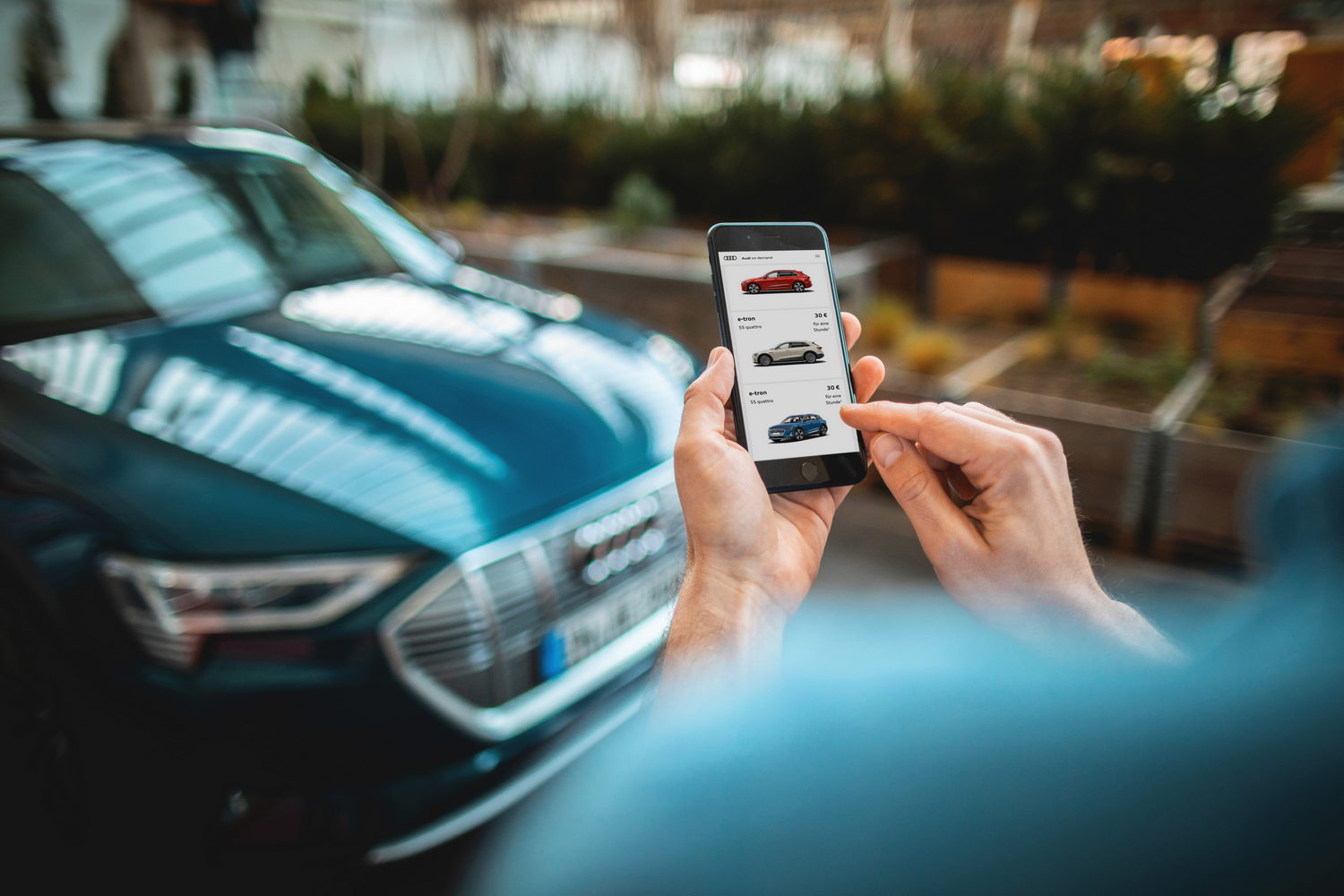
Unlocking a New Era of Personal Transport
Redefining Possession through Integrated Solutions
For decades, acquiring a vehicle meant signing a long-term financial contract, effectively locking a driver into a specific machine for several years. This traditional model assumes a static life, yet modern living is anything but stationary. Career relocations, family expansions, or shifting hobbies often occur faster than a five-year loan term expires. In this context, the rigid nature of purchasing or long-term financing can feel like a burden rather than an asset. The emerging subscription model addresses this by shifting the focus from "owning" an asset to "utilizing" mobility. It caters to a mindset that values access over possession, allowing users to align their transportation needs with their current reality rather than a past decision.
Beyond the flexibility of the commitment itself, the most transformative aspect of this model is the simplification of household management. Owning a car notoriously involves a complex web of variable costs: annual taxes, sporadic maintenance fees, unexpected repair bills, and fluctuating insurance premiums. For many, the mental load of tracking inspection dates and managing sudden cash outflows is a significant source of stress. The subscription approach revolutionizes this by consolidating these fragmented costs into a single, predictable monthly fee.
By bundling essential services—such as insurance, routine maintenance, roadside assistance, and registration—into one flat rate, the service transforms a volatile variable expense into a fixed cost. This "all-in-one" structure provides a level of financial clarity that is difficult to achieve with traditional ownership. Drivers no longer need to worry about the cost of an oil change or the shock of a mechanical failure; the risk and management of the asset remain with the provider. This shift allows individuals to enjoy the benefits of a private vehicle without the administrative and financial friction that typically accompanies it, effectively streamlining personal finance management.
The Power of Adaptability
Tailoring Your Ride to Life's Seasons
One of the most compelling features drawing drivers away from traditional ownership is the unprecedented ability to rotate vehicles based on immediate needs. In a standard lease or purchase scenario, the vehicle you choose today is the vehicle you are stuck with for years, regardless of how your circumstances change. However, modern mobility services operate on a philosophy similar to a wardrobe: you choose what fits the season or the occasion. This capability to switch models is not just a luxury; it is a practical response to the diverse requirements of modern life.
Consider the practical applications of this flexibility. During the summer months, a subscriber might opt for a rugged SUV to accommodate camping gear and off-road adventures. Conversely, as winter approaches or commuting needs shift toward urban driving, they can swap that large vehicle for a compact, fuel-efficient sedan or a nimble electric vehicle. This fluidity eliminates the "buyer’s remorse" often associated with purchasing a niche vehicle that only serves one part of a driver's lifestyle. It allows for a continuous optimization of the driving experience, ensuring that the car in the driveway is always the right tool for the job at hand.
| Scenario | Traditional Ownership | Subscription Model |
|---|---|---|
| Life Stage Change | Requires selling the current car (often at a loss) and buying a new one. | Simply return the current car and select a more suitable model next month. |
| Seasonal Needs | You are limited to one vehicle type year-round (e.g., driving a gas-guzzling SUV in the city). | Switch to an SUV for holidays and a compact EV for daily work commutes. |
| Financial Commitment | Long-term debt or lease obligation (3-7 years). | Short-term commitment (often 1-6 months), allowing for pauses in payment if a car isn't needed. |
| Experimentation | risky to buy a model you haven't lived with long-term. | Low risk; test drive a unique car for a month and swap if it doesn't fit. |
Furthermore, this model acts as a safety net against life’s unpredictability. Major life events—marriage, relocation, or a child leaving for university—often render a current vehicle impractical. Previously, correcting this mismatch involved the hassle of trade-ins, negotiations, and dealing with negative equity. With a subscription, the alignment between lifestyle and vehicle is constant. If a user needs to pause their subscription due to an overseas assignment or upgrade due to a new family member, the process is administrative rather than transactional. This agility reduces the psychological weight of the commitment, allowing users to navigate life transitions without being anchored by a depreciating metal asset.
Strategic Decision Making
The Divergence from Traditional Leasing
When evaluating modern mobility options, it is crucial to distinguish between a subscription and a standard lease, as they serve fundamentally different purposes despite superficial similarities. The core difference lies in the scope of the agreement and the distribution of risk. A traditional lease is primarily a method of financing the depreciation of a vehicle over a set period, usually two to four years. While the monthly payments might be lower, the user is typically responsible for arranging their own insurance, handling maintenance, and managing the eventual resale value or lease-end fees. It is a financial product attached to a car.
In contrast, a subscription is a service product. The premium paid covers not just the depreciation, but the entire operational ecosystem of the vehicle. This distinction is vital when calculating value. For a user who intends to keep the same car for three years and is willing to manage their own insurance and repairs, a traditional lease may offer better raw economic value. However, for those looking for a term of 18 months or less, or those who value the elimination of administrative tasks, the subscription model often proves superior. It removes the "friction costs" of time spent at mechanics or on the phone with insurance agents.
| Feature | Traditional Leasing | Car Subscription |
|---|---|---|
| Primary Goal | Financing the use of a car over a long term (2-4 years). | Providing hassle-free access to mobility (1 month to 2 years). |
| Insurance & Maintenance | Usually separate; user must arrange and pay individually. | Bundled into the monthly fee (comprehensive coverage is standard). |
| Down Payment | Significant upfront payment is often required to lower monthly rates. | Usually low or zero upfront fees (start-up fee only). |
| Depreciation Risk | User may be liable for excess wear or market value fluctuations. | Provider absorbs the risk of vehicle value and depreciation. |
Selecting the Right Partner
As the market for flexible mobility expands, the number of providers has grown, each offering different terms and vehicle lineups. Choosing the right service requires looking beyond the headline monthly price. The first critical factor to scrutinize is the transparency of the "all-inclusive" claim. While most reputable services include insurance and tax, the depth of insurance coverage—specifically deductibles and age restrictions—can vary significantly. A plan that looks cheaper may carry a high deductible in the event of an accident, or it might exclude younger drivers, which could be a dealbreaker for families.
Another pivotal element is the vehicle selection and condition. Some providers deal exclusively in brand-new vehicles, catering to those who prioritize the latest technology and pristine condition. Others operate with fleets of high-quality, late-model used cars. The latter option often provides a more accessible price point for identical utility. Users must decide whether the "new car smell" is worth the premium or if a well-maintained recent model suffices. Additionally, potential subscribers should carefully review mileage caps. Unlike ownership, where you can drive as much as you can afford in fuel, subscriptions often have monthly distance limits to preserve the fleet's value. Ensuring the plan matches your commuting distance is essential to avoiding surcharges that could negate the financial benefits of the service.
Q&A
-
What are All-Inclusive Car Subscription Fees?
- All-Inclusive Car Subscription Fees refer to a pricing model where a single monthly payment covers various costs associated with car ownership, including insurance, maintenance, and often taxes and registration. This model simplifies budgeting for users, as it consolidates multiple expenses into one predictable payment.
-
How does Car Swapping Flexibility work in a subscription model?
- Car Swapping Flexibility allows subscribers to switch between different vehicles within the same subscription plan, often with minimal notice. This flexibility is beneficial for those whose vehicle needs may change frequently, such as switching to a larger car for a family trip or opting for an eco-friendly vehicle for city driving.
-
What are the advantages of bundling Car Insurance and Maintenance in a subscription?
- Bundling Car Insurance and Maintenance in a subscription offers convenience and cost savings. Subscribers are relieved from the hassle of separate insurance shopping and maintenance scheduling. It also provides financial predictability, as these costs are included in the monthly fee, reducing unexpected expenses.
-
What is the difference between a Car Subscription and a Lease?
- A Car Subscription typically offers more flexibility than a lease, with shorter commitment periods, the option to swap cars, and inclusive maintenance and insurance. In contrast, leasing often involves longer-term contracts, mileage limitations, and separate costs for insurance and maintenance.
-
Who are some notable Car Subscription Providers?
- Notable Car Subscription Providers include brands like Care by Volvo, Porsche Drive, and Fair. These providers offer various plans that cater to different needs, such as short-term commitments, luxury vehicle options, and flexible car swapping, making them appealing alternatives to traditional car ownership or leasing.