
The Evolution of the Digital Cockpit
Harmonizing Digital Interfaces with Practical Design
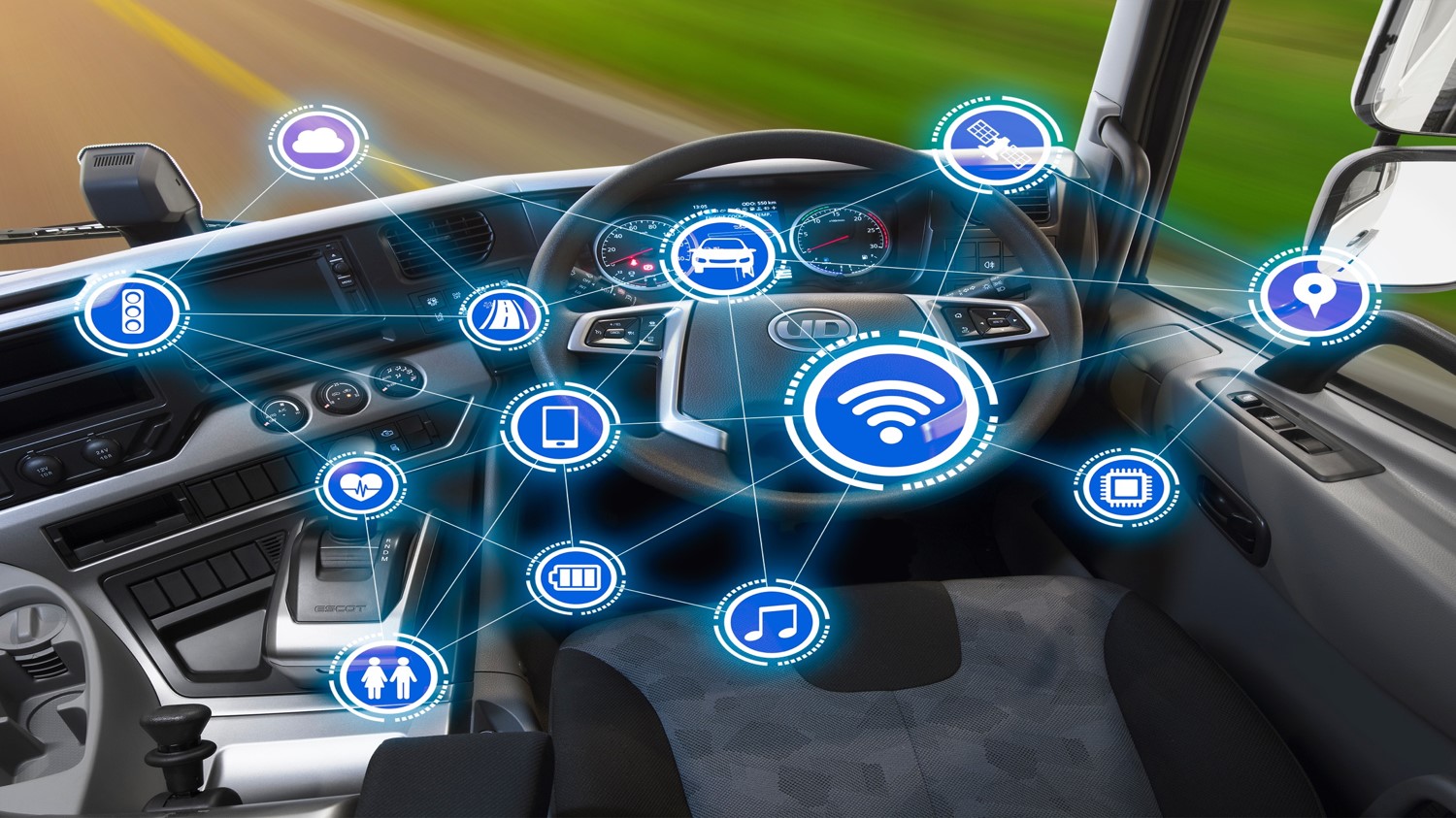
The interior of a modern truck has undergone a radical transformation, shifting from a strictly utilitarian workspace to a refined command center designed for long-haul comfort and efficiency. At the heart of this evolution is the integration of high-definition touchscreens that rival premium consumer tablets in clarity and responsiveness. These expansive displays have replaced the clutter of analog gauges, consolidating navigation, entertainment, and critical vehicle telemetry into a single, streamlined interface. This centralization allows drivers to access vital information—from tire pressure to route logistics—with a quick glance, significantly reducing cognitive load during operation.
However, the most intelligent aspect of contemporary truck design is the refusal to rely solely on touch interfaces. recognized that trucks are often operated in rugged environments where drivers wear gloves or need to make adjustments without taking their eyes off the road, engineers have preserved tactile controls for essential functions. Large, knurled knobs for volume control, climate settings, and drive mode selection coexist harmoniously with digital screens. This "phygital" approach—combining physical buttons with digital flexibility—ensures that the latest technology enhances the driving experience without compromising the practicality required in the field. It represents a deep understanding of the user's reality, proving that true innovation lies in balance rather than just replacing everything with a screen.
Seamless Mobile Integration and Wireless Freedom
Gone are the days when connecting a mobile device to a vehicle required a tangle of auxiliary cables and complex pairing procedures. Today’s trucks prioritize a frictionless "get in and go" experience through robust wireless integration. As soon as the engine starts, the vehicle's system automatically synchronizes with the driver’s smartphone, projecting familiar navigation apps, music streaming services, and communication tools directly onto the dashboard’s main display. This mirroring capability ensures that drivers can stay connected to their personal digital ecosystems safely, utilizing voice commands to dictate messages, set destinations, or change playlists without lifting a finger from the steering wheel.
Beyond entertainment and navigation, this connectivity transforms the truck into a mobile office. With the inclusion of dedicated wireless charging pads and high-speed in-cabin Wi-Fi capabilities, the vehicle supports the modern workflow of owner-operators and fleet drivers alike. Whether it’s managing digital bills of lading, searching for the next load on a freight board, or simply video chatting with family during a rest break, the connectivity is constant and reliable. This integration dramatically reduces the isolation often associated with long-haul trucking, keeping the driver socially and professionally connected to the world outside the cab, thereby improving overall job satisfaction and mental well-being.
| Feature Category | Traditional Truck Experience | Modern Connected Experience |
|---|---|---|
| Device Connection | Wired (USB/Aux), manual pairing required every time. | Wireless automatic synchronization upon entry. |
| Navigation | Separate GPS unit or paper maps; no traffic updates. | Real-time map apps projected on dash; live rerouting. |
| Communication | Hands-free requires aftermarket headsets; limited voice control. | Integrated microphones; natural voice commands for texts/calls. |
| Power Management | Cluttered 12V adapters and tangled charging cables. | Built-in wireless charging pads and high-speed USB-C ports. |
Advanced Diagnostics and Vehicle Health
The Shift to Predictive Maintenance
The philosophy of vehicle maintenance is shifting from a reactive "break-fix" model to a proactive, data-driven approach known as predictive maintenance. Historically, a truck owner would rely on scheduled intervals or, worse, a breakdown on the side of the highway to know when a part needed attention. Today, embedded sensors continuously monitor the heartbeat of the truck, analyzing thousands of data points per second—from engine combustion efficiency and transmission fluid temperatures to brake pad wear and suspension stress. This constant stream of data allows the vehicle to identify anomalies that are invisible to the naked eye long before they manifest as critical failures.
This technological leap empowers owners to schedule repairs during planned downtime rather than suffering unexpected delays that jeopardize delivery windows. For instance, if the system detects a slight irregularity in fuel injector pressure, it can alert the driver or fleet manager immediately, suggesting a check-up before the injector fails completely. This capability not only preserves the longevity of the asset but also drastically reduces the total cost of ownership. By replacing parts based on actual wear and real-time condition rather than arbitrary mileage markers, owners optimize their maintenance budgets and keep their trucks generating revenue on the road, ensuring a more reliable and profitable operation.
Remote Control and Mechanic Interaction
The connectivity of modern trucks extends far beyond the dashboard, effectively placing a virtual mechanic in the passenger seat. Through sophisticated mobile applications, owners now possess a level of control and insight that was previously the domain of high-end service centers. By plugging a compact communication device into the diagnostic port, users can view detailed graphical representations of their engine's performance on their tablets or smartphones. This transparency demystifies the "Check Engine" light, providing clear, jargon-free explanations of issues, which empowers drivers to make informed decisions about whether to pull over immediately or continue to a service station.
Furthermore, this bidirectional communication enables remote troubleshooting that can save thousands in towing and diagnostic fees. If a truck encounters an issue on a remote stretch of interstate, the driver can transmit the vehicle's data logs via the cloud to a certified technician hundreds of miles away. The technician can analyze the fault codes in real-time and, in many cases, push a software update or a parameter adjustment directly to the truck over the air to resolve the issue. This ability to remotely tune the engine or reset sensors means that minor software glitches no longer require a physical trip to the dealership, keeping the wheels turning and the supply chain moving efficiently.
| User Scenario | Key Connectivity Need | Benefit Delivered |
|---|---|---|
| Long-Haul Operator | Remote Diagnostics & OTA Updates | Minimizes unplanned downtime on remote routes; instant error code analysis. |
| Fleet Manager | Real-time Telematics & Location | Optimizes routing; monitors fuel efficiency and driver safety behaviors. |
| Weekend/Personal User | Smartphone Integration & Remote Start | Enhances comfort with pre-conditioned cabin; seamless music/map usage. |
| Construction/Job Site | Wi-Fi Hotspot & Power Supply | Turns the cab into a mobile office for reviewing blueprints and emails. |
Democratization of Technology
Accessibility Across All Trim Levels
Perhaps the most significant development in truck connectivity is that these advanced features are no longer exclusive to the most expensive, luxury-spec models. In the past, accessing high-level telematics, large touchscreens, and safety suites required purchasing top-tier packages that were out of reach for many small business owners or personal-use buyers. However, market dynamics have shifted, and manufacturers are now standardizing these technologies across the lineup, including entry-level work trucks. Now, a base model used for landscaping or local deliveries often comes equipped with the same powerful processor, crisp display, and smartphone compatibility as the flagship hauler.
This democratization means that safety and convenience are becoming universal standards rather than optional luxuries. Features like lane-keeping assist, adaptive cruise control, and blind-spot monitoring—enabled by the same sensor suites that power connectivity—are making their way into affordable trims. For the personal truck owner who uses their vehicle for camping or DIY projects, this adds immense value. They get a vehicle that is rugged enough to haul lumber but smart enough to read text messages aloud and warm up the cabin via a smartphone app on a cold morning. This convergence of utility and technology ensures that regardless of the budget, modern truck owners are safer, better connected, and more efficient than ever before.
Q&A
-
What are the key benefits of using Fleet Management Software?
Fleet Management Software provides several benefits, including improved efficiency in tracking and managing vehicles, enhanced route planning, reduced fuel costs, and increased safety through monitoring driver behavior. Additionally, it offers valuable data analytics for better decision-making and regulatory compliance.
-
How do In-Truck Wi-Fi Hotspots enhance the driving experience?
In-Truck Wi-Fi Hotspots provide constant internet connectivity, allowing drivers and passengers to stay connected on the go. This feature supports navigation, streaming services, and communication with fleet managers or clients, significantly improving productivity and entertainment options during travel.
-
What are the advantages of Remote Start and Control for trucks?
Remote Start and Control allows truck owners to start their vehicles from a distance, which is especially useful in extreme weather conditions. It also provides security features, such as locking or unlocking doors remotely and receiving alerts for unauthorized access, thereby enhancing vehicle security and convenience.
-
How can Telematics be used effectively in Personal Trucks?
Telematics systems in personal trucks offer insights into vehicle performance, fuel efficiency, and maintenance needs. They can help owners monitor driving habits, locate their vehicles in real time, and receive alerts for potential issues, ensuring better maintenance and longevity of the truck.
-
What role does Mobile App Integration play for truck owners?
Mobile App Integration allows truck owners to manage their vehicles directly from their smartphones. This includes accessing diagnostic tools, scheduling maintenance, and receiving real-time alerts and updates. It enhances convenience by providing a centralized platform for all vehicle-related information and tasks.