
Redefining Urban Mobility and Spatial Awareness
Mastering the Cityscape with Precision
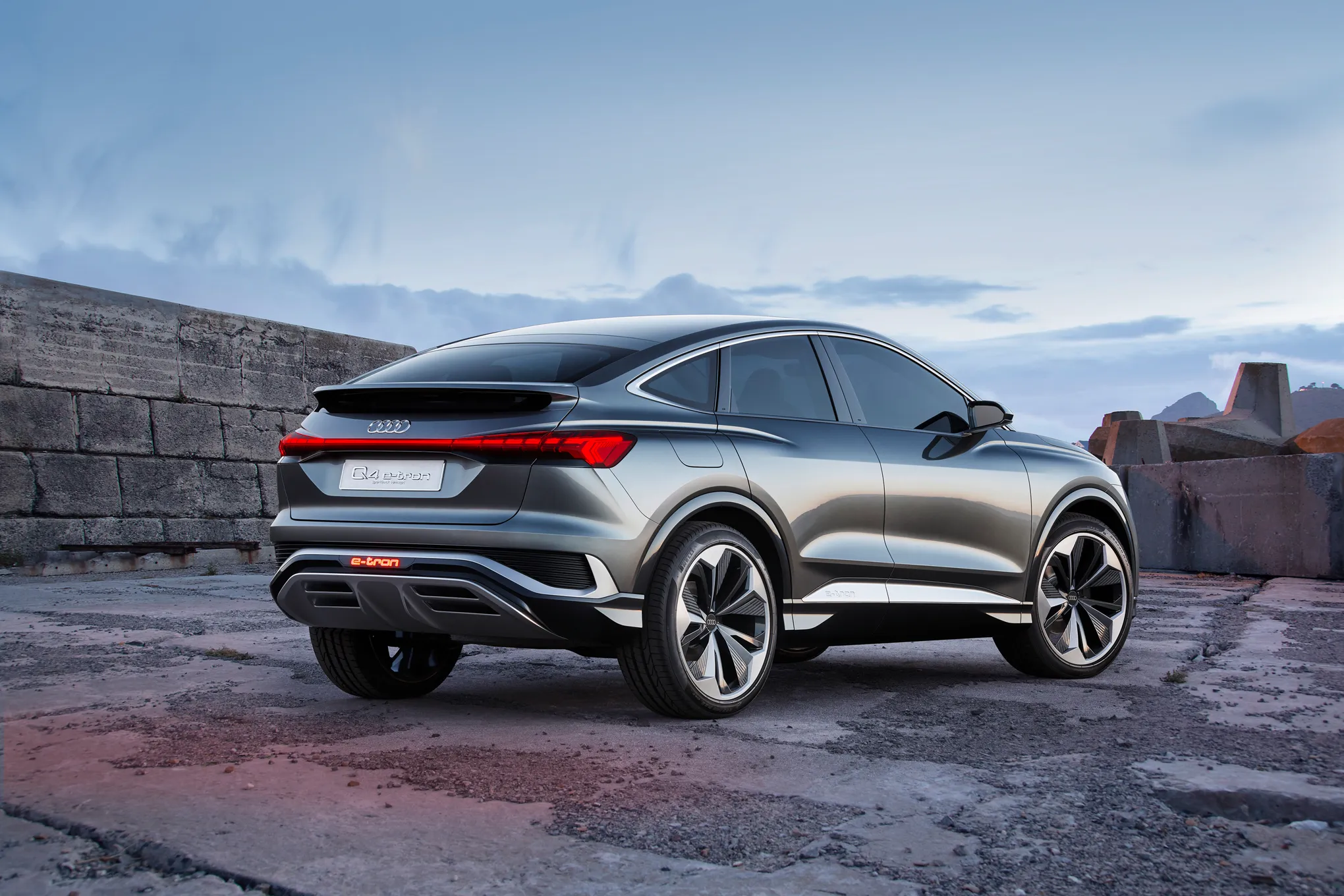
When discussing large vehicles, the immediate assumption is often that they are cumbersome or difficult to park. However, the current generation of high-riding vehicles has been meticulously engineered to shatter this stereotype, offering a level of agility that rivals compact hatchbacks. For the urban driver, "driveability" is paramount, and modern engineering focuses heavily on packaging—creating a vehicle that feels spacious on the inside but acts compact on the outside. This is achieved through sophisticated chassis designs that allow for tighter turning circles, making navigation through narrow alleyways or complex one-way systems surprisingly intuitive.
The sensation of size is often dictated by how well a driver can perceive the vehicle's extremities. Designers now prioritize the visibility of the bonnet’s corners and the rear quarters, allowing drivers to intuitively gauge the car's position within a lane. This spatial awareness removes the stress from navigating crowded intersections or squeezing past delivery trucks on slender streets. Furthermore, the integration of speed-sensitive electric steering means the wheel is feather-light during parking maneuvers but firms up for stability as speed increases.
Parking in metropolitan areas poses a unique set of challenges, from tight underground ramps to compact mechanical parking lifts. The modern approach to design involves slimming down the exterior width without sacrificing interior shoulder room, ensuring that doors can be opened comfortably even in designated compact spots. This duality—the practical utility to carry weekly groceries or recreational gear, combined with the nimbleness to dart through traffic—makes these vehicles the ultimate tool for the modern urbanite. They bridge the gap between the functional necessities of hauling cargo and the dynamic requirements of daily city driving.
The Strategic Advantage of Elevated Seating
Visual Command and Ergonomic Excellence
The moment you slide behind the wheel, the most immediate and distinct characteristic is the "Command Position." This is not merely a marketing term but a fundamental structural advantage. By positioning the driver’s eye point significantly higher than that of a standard sedan, the vehicle grants a superior field of view. This elevation allows the driver to see not just the car immediately ahead, but the traffic patterns developing several cars down the line. Being able to anticipate brake lights or lane changes in the distance translates directly to smoother, less reactive driving, significantly reducing mental fatigue during rush hour.
Beyond the visual benefits, the ergonomics of a higher seating position play a crucial role in physical comfort. In lower vehicles, the legs are often extended forward, which can place strain on the lower back over time. In contrast, these vehicles allow for a "chair-like" posture where the thighs are supported, and the knees are bent at a natural angle. This upright stance distributes body weight more evenly, preventing the pressure points that typically cause discomfort during long stints behind the wheel. Additionally, the ingress and egress—the act of getting in and out—are far more natural. There is no need to drop down into a seat or climb up; one simply slides laterally, a small detail that becomes a significant luxury during errands that require frequent stops.
This sense of openness extends to passengers as well. Many manufacturers utilize a "theater" seating layout, where rear seats are positioned slightly higher than the front. This ensures that rear passengers have a clear view through the windshield, reducing motion sickness and feelings of confinement. When combined with expansive glass areas or panoramic sunroofs, the cabin feels airy and connected to the outside world, creating a pleasant environment for everyone on board.
| Aspect | Low Seating Position (Sedan) | Elevated Seating Position (SUV) |
|---|---|---|
| Visual Range | Limited to immediate traffic; often blocked by larger vehicles. | Extended sightlines allowing anticipation of traffic flow ahead. |
| Body Posture | Legs extended; weight concentrated on the lower back. | Upright, chair-like seating; weight distributed across thighs and hips. |
| Entry/Exit | Requires bending down and lowering body weight. | Natural hip-height access; slide in without climbing or dropping. |
| Spatial Sense | Closer to the ground; harder to gauge clearance over obstacles. | Better perception of road edges and curb proximity. |
Engineering the Long-Haul Experience
Suspension Tuning and Dynamic Stability
The true test of a vehicle’s refinement is not just how it looks, but how it isolates occupants from the harsh realities of the road surface. Long-distance comfort is governed largely by the sophistication of the suspension system, specifically the calibration of damping forces. A common misconception is that a "soft" suspension equals comfort. In reality, a suspension that is too soft will cause the vehicle to wallow and float after hitting a bump, forcing the driver’s inner ear to constantly adjust for balance, which leads to exhaustion.
Modern tuning philosophies prioritize a "flat ride." This means the suspension is compliant enough to absorb the initial shock of a pothole or expansion joint but has sufficient rebound control to settle the chassis instantly. This rapid recovery prevents the unsettling bobs and weaves that plague lesser vehicles. On highways, this stability is crucial. When traversing bridges or facing crosswinds, a rigid body structure combined with active suspension geometry keeps the vehicle planted. The driver spends less energy making micro-corrections to the steering wheel, allowing for a more relaxed focus on the journey.
Furthermore, the connection between the driver and the road through the steering wheel is vital. While we desire comfort, we do not want isolation to the point of numbness. The best setups filter out the high-frequency vibrations of rough asphalt—the "noise"—while still transmitting the low-frequency "signal" of tire grip and road texture. This feedback loop gives the driver confidence, knowing exactly how the vehicle is reacting to the surface beneath, which is essential for safety and peace of mind during inclement weather or on winding mountain roads.
The Art of Cabin Serenity
Advanced Acoustics and Active Noise Control
Silence is often the truest indicator of luxury. In vehicles with larger frontal areas and bigger tires, managing noise, vibration, and harshness (NVH) is a complex engineering challenge. The roar of wind rushing over mirrors and the drone of tires on concrete can quickly become a source of stress. To combat this, manufacturers treat the cabin as a sealed acoustic chamber. High-density insulation is strategically placed in the wheel wells and firewalls, while acoustic laminate glass is often used for windshields and side windows to repel external cacophony.
However, passive insulation is only half the battle. We are now seeing the widespread adoption of Active Noise Cancellation (ANC) technology in mainstream models. Functioning similarly to high-end noise-canceling headphones, the vehicle uses microphones to detect unpleasant low-frequency sounds—such as engine boom or road roar—and instantly generates an opposing sound wave through the audio speakers to cancel it out. This creates a "perceived silence" that makes conversation easy between front and rear passengers, even at highway speeds.
This acoustic management is deeply intertwined with suspension performance. A suspension that operates smoothly generates less structural noise. When the shock absorbers efficiently dissipate the energy from a bump, there is no "crash" or "thud" transmitted into the cabin structure. The goal is not complete sensory deprivation—engineers often tune the engine note to sound pleasant during acceleration to provide engagement—but rather the elimination of intrusive, discordant noise. The result is a sanctuary where the audio system sounds crisper, conversations are effortless, and the destination is reached with a calm mind.
| Noise Source | Passive Mitigation Approach | Active / Adaptive Control Approach |
|---|---|---|
| Road/Tire Roar | Sound-deadening materials in wheel arches; foam-filled tires. | Active Noise Cancellation (ANC) generating anti-phase waves. |
| Wind Noise | Acoustic laminated glass; aerodynamic mirror shapes. | Door seals with multiple layers; flush-mounted window designs. |
| Engine Vibration | Hydraulic engine mounts; firewall insulation. | Active engine mounts that counter-vibrate to cancel frequencies. |
| Structural Thud | Stiff chassis construction; tuned suspension bushings. | Electronic suspension adjusting damping in milliseconds to soften impact. |
Q&A
-
What is ride comfort calibration and why is it important in vehicle design?
Ride comfort calibration involves adjusting a vehicle's suspension, damping, and other related systems to enhance the comfort level experienced by passengers. It is crucial in vehicle design because it directly impacts the driving experience, reducing fatigue and discomfort during long journeys, and ensuring a smoother ride over various road conditions.
-
How does noise vibration control contribute to a better driving experience?
Noise vibration control (NVC) aims to minimize the noise and vibrations transmitted into the vehicle cabin. Effective NVC enhances the driving experience by creating a quieter and more comfortable environment, allowing for better concentration, communication among passengers, and enjoyment of in-car entertainment systems.
-
What role does steering feedback design play in vehicle handling?
Steering feedback design refers to the way a vehicle's steering system communicates road conditions back to the driver. Proper design ensures accurate and responsive feedback, which is vital for safe maneuvering, especially in urban environments where quick reactions are often necessary. It also contributes to driver confidence and comfort during both city driving and high-speed cruising.
-
How do visibility and seating height affect a driver's control and safety?
Visibility and seating height are critical for a driver’s ability to see and react to their surroundings. A higher seating position can enhance visibility, allowing drivers to better anticipate road conditions and obstacles. Improved visibility reduces blind spots and enhances overall safety, making it easier to maneuver in traffic and park in tight spaces.
-
Why is urban maneuverability an essential consideration in car design?
Urban maneuverability is essential for navigating congested city streets, parking in tight spaces, and executing sharp turns. Designing a vehicle with good urban maneuverability involves optimizing the turning radius, steering response, and overall vehicle size to ensure it can handle the challenges of urban driving efficiently.
-
What factors contribute to long distance driving comfort?
Long distance driving comfort is influenced by several factors, including seat design, cabin noise levels, climate control systems, and ergonomic controls. A well-designed vehicle will address these areas, providing supportive seating, quiet interiors, and easy-to-reach controls, all of which help reduce driver fatigue and enhance comfort on extended trips.