
Redefining Spatial Perception and Usability
The Science of Visual and Physical Openness
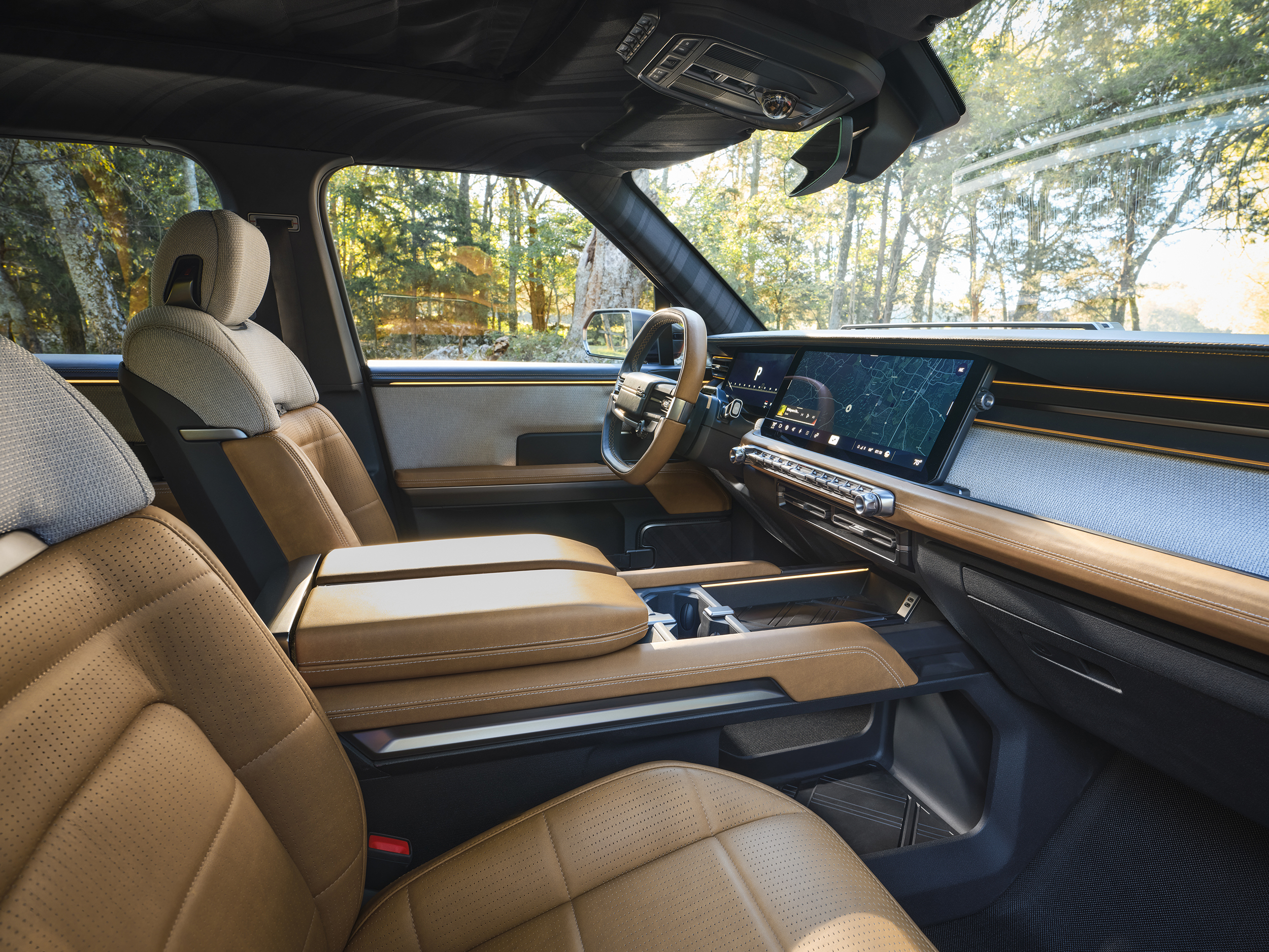
Modern automotive architecture places a heavy emphasis on Cabin Space Optimization, moving beyond raw dimensions to focus on the psychological feeling of freedom. Designers are increasingly employing optical tricks to enhance this sense of openness. For instance, horizontal dashboard lines that stretch from door to door emphasize width, while thinner pillars and expanded glass surfaces—often referred to as the "greenhouse"—allow for commanding outward visibility. This approach minimizes visual noise, creating a minimalist environment that feels less like a machine cockpit and more like an airy, open-plan living room.
Beyond visual aesthetics, the physical architecture of the floor plan plays a crucial role. Even in compact models, the drive towards electrification and smarter packaging has allowed for flatter floors. This reduction of the transmission tunnel means that three adults can sit abreast in the rear without the middle passenger feeling cramped. The focus is on creating a "lounge" atmosphere where legroom is generous, allowing passengers to stretch out during long journeys. This spatial generosity fosters better social interaction, as the lack of physical confinement encourages natural conversation among occupants.
Furthermore, the concept of "theater-style seating" is gaining traction. By positioning the rear seats slightly higher than the front, passengers enjoy a clearer view of the road ahead. This subtle elevation not only improves visibility but also helps reduce feelings of claustrophobia and motion sickness, ensuring that every seat in the vehicle offers a premium experience.
| Feature Category | Traditional SUV Approach | Modern Design Philosophy |
|---|---|---|
| Spatial Layout | Driver-centric cockpit with high separation between zones. | Open-concept "lounge" feel with horizontal lines to enhance width. |
| Rear Comfort | Functional seating often compromised by transmission tunnels. | Flat floors and theater-style elevation for equalized passenger comfort. |
| Cargo Access | Heavy tailgates and high loading lips requiring physical effort. | Hands-free access, flush loading floors, and single-motion seat folding. |
| Entry/Exit | High sills and narrow door openings. | Wide-opening doors (up to 90 degrees) and hip-height seating for natural access. |
Mastering Versatility and Movement
The true utility of a Sport Utility Vehicle is defined by its ability to adapt to the changing needs of its owner. Flexible Seating Layouts have evolved from simple folding mechanisms to sophisticated systems that prioritize ease of use and ergonomic health. Contemporary designs focus heavily on "ingress and egress"—the ease of getting in and out. Doors are designed to open wider, and seat hip points are calibrated to allow passengers to slide in naturally without climbing up or dropping down, a feature particularly appreciated by parents installing child seats or elderly passengers.
In terms of carrying capacity, Cargo Management Systems have become integral to the interior design rather than an afterthought. The goal is to provide volume without sacrificing passenger dignity. Modern layouts ensure that when rear seats are folded, they create a perfectly flat load floor, eliminating awkward steps or slopes that make sliding heavy items difficult. Advanced anchor points, hidden under-floor storage for valuables, and reversible cargo mats demonstrate a deep understanding of active lifestyles. Whether it is a grocery run or a weekend camping trip, the vehicle transforms effortlessly.
This adaptability extends to the front of the cabin as well. With the shift-by-wire technology moving gear selectors to the steering column or instrument panel, the center console has been liberated. This "floating console" design creates new storage opportunities for handbags or tablets between the front seats, maximizing every cubic inch of the interior for practical daily use.
The Tactile and Atmospheric Revolution
Elevating the Sensory Experience
The most immediate indicator of quality in today's market is the shift toward Premium Interior Materials. There was a time when durability meant hard, scratchy plastics, but that era has passed. Today, even mid-range models are adorned with soft-touch surfaces, utilizing materials that invite the hand to linger. Designers are curating blends of authentic wood veneers, cool-to-the-touch aluminum, and high-grade leathers. Crucially, there is a rising trend toward sustainable luxury; high-quality synthetic leathers and fabrics derived from recycled materials are being used not just for their eco-credentials, but for their unique textures and breathability.
The tactile experience extends to the operation of the vehicle itself. The "thud" of a closing door, the damped resistance of a rotary dial, and the precise stitching on the steering wheel are all engineered to convey solidity and craftsmanship. This attention to detail transforms the car from a mere conveyance into a space that satisfies the senses. The elimination of squeaks and rattles through superior assembly techniques further reinforces the perception of quality, making the cabin feel like a solid, cohesive unit rather than a collection of parts.
This upgrade in materiality creates a "Sanctuary" effect. By stripping away unnecessary ornamentation and focusing on the purity of materials, the interior becomes a place of calm. The interplay of natural light from panoramic sunroofs with these rich textures adds depth and warmth, mimicking the comfort of high-end furniture design.
Cultivating Silence and Ambiance
A critical component of modern luxury is the management of the invisible environment: sound and air. Advanced sound-deadening materials, acoustic glass, and active noise cancellation technologies work in concert to isolate the cabin from road noise and wind turbulence. This silence allows for crystal-clear conversations and lets high-fidelity audio systems shine, turning the daily commute into a private listening session.
Complementing this sonic peace is the visual mood set by ambient lighting. No longer just functional illumination, lighting has become a core design element. LED strips hidden within door trims and dashboards allow drivers to bathe the interior in soft hues that match their mood—warm ambers for relaxation or cool blues for focus. This dynamic lighting enhances the perception of depth and highlights the architectural curves of the interior.
Furthermore, Climate Control Zoning has advanced to ensure air quality matches the visual luxury. High-performance filtration systems capable of trapping micro-particles and allergens are becoming standard, ensuring that the air inside is often cleaner than the air outside. Combined with multi-zone temperature controls that allow individual passengers to create their own micro-climates, the vehicle ensures physical comfort is maintained regardless of external weather conditions.
Harmonizing Digital Intelligence and Design
The Seamless Integration of Information
The integration of technology has moved beyond slapping a tablet onto the dashboard. The current trend in Infotainment Interface Design is the "seamless horizon," where digital displays merge effortlessly with the surrounding architecture. Curved panoramic screens that combine the instrument cluster and the central infotainment display into a single glass unit are becoming the hallmark of modern interiors. These displays are designed not just for data delivery but as aesthetic centerpieces, framed by leather or metal to soften their technological edge.
However, a purely digital environment can feel cold and overwhelming. To counter this, designers are employing "Shy Tech" or invisible technology. This concept involves features that remain hidden until needed. For example, backlit touch controls that vanish into a wood trim when the car is off, or air vents disguised within the dashboard's horizontal louvers. This reduction of visual clutter ensures that the technology serves the user without dominating the visual space, maintaining the serene, living-room atmosphere.
Smartphones have also found their dedicated place within this ecosystem. Wireless charging pads are now integrated into specific niches that keep devices secure and out of sight, reducing the distraction of notifications while ensuring connectivity. The result is a cockpit that feels intelligent yet uncluttered, where information is available at a glance but never intrusive.
Balancing Innovation with Intuitive Control
As screens grow larger, a counter-movement emphasizes the importance of tactile engagement. While touchscreens offer infinite configurability, the industry is recognizing that certain functions require physical confirmation. The most ergonomic interiors now strike a balance, retaining physical buttons or knurled dials for high-frequency tasks like volume control and temperature adjustment. This hybrid approach ensures that drivers can operate essential systems without taking their eyes off the road.
Where touch interfaces are used, haptic feedback plays a vital role. By providing a subtle vibration or "click" sensation when a virtual button is pressed, the system mimics the assurance of a mechanical switch. This sensory confirmation bridges the gap between the digital and physical worlds, making interactions feel substantial rather than hollow.
| Interface Type | Implementation Strategy | User Benefit |
|---|---|---|
| Panoramic Display | Unified glass panel spanning the dashboard. | Provides immersive navigation and entertainment while reducing eye strain. |
| Invisible Tech (Shy Tech) | Controls hidden behind wood/fabric, lit only when active. | Reduces visual clutter creates a cleaner, more relaxing aesthetic. |
| Tactile Analog | Physical dials for volume, temp, and drive modes. | Allows for "eyes-free" muscle-memory operation and satisfying mechanical feel. |
| Haptic Touch | Vibrational feedback on flat surfaces. | Confirms inputs to the driver, reducing the uncertainty of touchscreens. |
Ultimately, the goal of these technological advancements is to create a vehicle that feels like a partner rather than a tool. By combining advanced voice recognition, intuitive layouts, and sensory feedback, the modern SUV interior anticipates the driver's needs. It is a space where the complexity of the machine fades into the background, leaving only the pleasure of the journey.
Q&A
-
How does cabin space optimization benefit passengers in modern vehicles?
Cabin space optimization ensures that the interior of a vehicle is used efficiently, allowing for more legroom, better headspace, and improved storage solutions. This enhances passenger comfort and can lead to a more pleasant travel experience, particularly on long journeys. -
What are flexible seating layouts and how do they enhance vehicle functionality?
Flexible seating layouts refer to the ability to reconfigure seats within a vehicle to accommodate different needs, such as carrying more passengers or expanding cargo space. This adaptability allows users to tailor the interior space based on specific requirements, making vehicles more versatile for various activities. -
In what ways do cargo management systems improve vehicle utility?
Cargo management systems are designed to organize and secure items within a vehicle's storage area. These systems can include adjustable dividers, nets, or rails that prevent items from shifting during transit, thus maximizing space utilization and protecting both the cargo and the vehicle interior. -
Why are premium interior materials important in vehicle design?
Premium interior materials contribute to the overall aesthetic and tactile experience of a vehicle, enhancing the sense of luxury and comfort. They often offer superior durability and ease of maintenance, which can improve the longevity and resale value of the vehicle. -
How does climate control zoning improve passenger comfort?
Climate control zoning allows different areas of a vehicle to be set at different temperatures, catering to the preferences of individual passengers. This feature is particularly beneficial in larger vehicles, where temperature needs can vary significantly between the front and rear seats. -
What role does infotainment interface design play in modern vehicles?
Infotainment interface design is crucial in providing users with easy access to entertainment, navigation, and communication features. A well-designed interface enhances user interaction by being intuitive and responsive, which can improve safety by minimizing distractions while driving.