
Redefining Residential Power Dynamics
Transforming Vehicles into Home Batteries
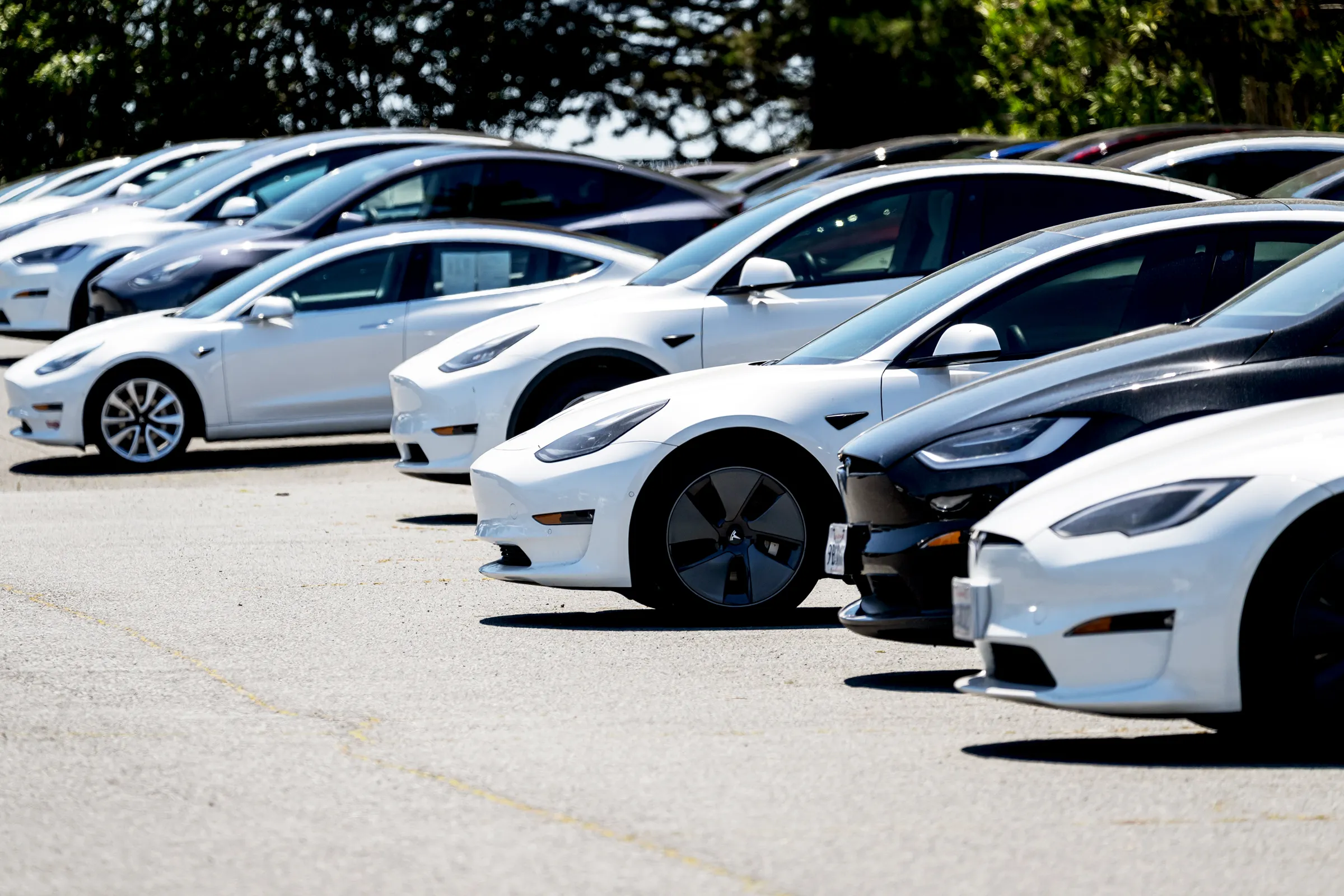
The concept of the electric vehicle (EV) is undergoing a fundamental shift. We are moving away from viewing these machines solely as tools for mobility and towards recognizing them as high-capacity, mobile storage units. This perspective is the cornerstone of modern energy independence. Manufacturers and energy developers are increasingly linking automotive battery technology with residential power systems. This integration means that the potential energy stored within a chassis can be utilized not just on the highway, but within the living room, effectively bridging the gap between transportation and domestic utility.
In a practical sense, this integration allows for a symbiotic relationship between a homeowner's renewable generation and their vehicle. During the day, when solar panels are often generating more electricity than a household can consume, that clean energy can be diverted into the EV’s battery rather than being lost or sold back to the grid at low rates. Later, during the evening or on cloudy days when solar generation drops, the car can discharge that stored energy back into the home to run appliances, lighting, and heating systems. This cycle maximizes the consumption of self-generated green energy and reduces reliance on the external power supply, fundamentally altering the economics of home energy management.
Resilience in the Face of Uncertainty
Beyond daily cost savings and efficiency, the integration of cars and homes offers a critical layer of security: disaster resilience. As climate patterns become more unpredictable and strain on aging infrastructure increases, power outages are becoming a more frequent concern for many communities. In these scenarios, an electric vehicle transforms into a robust emergency power source. Unlike small, portable batteries that might charge a phone or a laptop, a fully charged EV battery holds enough energy to power essential home circuits for days, keeping the lights on and the refrigerator running.
This capability creates a self-reliant lifestyle foundation that is resilient to external shocks. It changes the narrative of a blackout from a crisis to a manageable inconvenience. For homeowners living in areas prone to storms or grid instability, the car becomes an insurance policy. By establishing a bidirectional connection between the car and the house, families secure a lifeline that ensures safety and comfort. This functionality highlights how personal transportation assets are evolving into essential components of disaster preparedness infrastructure.
| Feature Comparison | Conventional EV Usage | Grid-Integrated Home Energy (V2H) |
|---|---|---|
| Primary Function | Transportation solely | Transportation + Energy Storage |
| Power Flow | Grid to Vehicle (One-way) | Bidirectional (Grid/Solar ↔ Vehicle) |
| Outage Capability | None (Vehicle is stranded) | Backup Power Source for Home |
| Renewable Usage | Incidental | Maximized (Stores excess solar) |
| Cost Management | Standard utility rates | Load shifting (Peak vs. Off-peak) |
Stabilizing the Grid with Distributed Resources
acting as a Buffer for Energy Demand
From a societal perspective, the widespread adoption of electric vehicles offers a promising solution to the inherent instability of power networks. Modern electrical grids face significant challenges, primarily driven by the massive spike in consumption from data centers, industrial electrification, and residential cooling. These spikes often occur at specific times, creating pressure points where demand threatens to outstrip supply. Within this context, the millions of EVs parked in driveways and office lots represent a vast, distributed network of energy resources that can help maintain equilibrium.
When electricity demand peaks—typically in the late afternoon or early evening—utility companies often struggle to bring enough generation online quickly. In a grid-integrated future, thousands of connected vehicles can discharge small amounts of power back into the network simultaneously. This collective discharge acts as a virtual power plant, bridging the gap until demand subsides. Conversely, when renewable sources like wind or solar are overproducing and threatening to overload the grid with excess voltage, these vehicles can be signaled to absorb the surplus. This "buffering" capability smooths out the peaks and valleys of energy supply, making the integration of variable renewable energy sources much more feasible and stable for the entire community.
The Speed of Electrical Response
Maintaining the stability of a power grid requires more than just balancing total energy volume; it requires precise maintenance of frequency and voltage. The grid operates at a specific "heartbeat" (frequency), and deviations from this standard can cause equipment damage or cascading blackouts. Traditional thermal power plants, which rely on spinning turbines, can take minutes to adjust their output in response to frequency changes. This lag time can be dangerous during sudden disruptions or rapid fluctuations caused by renewable energy intermittency.
Electric vehicle battery systems, however, operate on electrochemical principles rather than mechanical ones. This allows them to respond to grid signals in milliseconds—orders of magnitude faster than traditional generators. This rapid response capability makes EVs ideal candidates for providing "ancillary services" to the grid operator. Even without discharging a significant amount of total energy, a connected vehicle can make micro-adjustments to its charging or discharging rate to help keep the grid's frequency stable. This instantaneous reaction acts as a shock absorber for the power network, preventing small electrical faults from escalating into major service interruptions.
Commercial Fleets as Energy Hubs
Scaling Up with Fleet Management
The value of vehicles as energy assets becomes exponentially more powerful when applied to the commercial sector. Logistics companies, municipal transit authorities, and corporate fleets manage large numbers of heavy-duty vehicles, such as delivery trucks and electric buses. These vehicles carry massive batteries—far larger than those in passenger cars—and often operate on predictable schedules, returning to a central depot at known times. This predictability makes them perfect candidates for large-scale energy management strategies.
For fleet operators, electrification offers benefits that extend beyond fuel savings and carbon reduction. By equipping depots with bidirectional charging infrastructure, a fleet of parked buses effectively becomes a massive energy warehouse. Operators can charge their fleets during the night when electricity prices are lowest and grid demand is minimal. Then, during the day, if vehicles are idle or if the depot has a high power demand, the energy stored in the batteries can be used to power operations or sold back to the grid at peak prices. This turns the charging depot into a dynamic energy hub that not only lowers operational costs significantly but also supports the local energy infrastructure by reducing the facility's draw during critical hours.
| Operational Aspect | Traditional Fleet Management | Smart Energy Fleet Hub |
|---|---|---|
| Energy Sourcing | On-demand fuel purchase | Strategic low-cost charging |
| Asset Utilization | Vehicles idle when parked | Batteries active as grid assets |
| Revenue Stream | Delivery/Transport only | Transport + Grid Services/Arbitrage |
| Infrastructure Impact | High load on local grid | Load balancing/Self-sufficiency |
Infrastructure and Smart Charging Logic
To unlock the full potential of these commercial energy hubs, the underlying infrastructure must be intelligent. "Smart charging" is the technological brain that coordinates this complex dance of energy. It ensures that vehicles are charged enough to complete their routes while optimizing for energy market conditions and grid health. For instance, smart software can delay charging a delivery van until renewable energy generation is high, ensuring the electricity used is as green and cheap as possible, without human intervention.
Furthermore, to manage the intense power requirements of fast-charging commercial vehicles, many modern stations are incorporating stationary storage batteries alongside the chargers. These stationary batteries slowly draw power from the grid throughout the day and then rapidly discharge it into the vehicles when they arrive. This approach mitigates the need for expensive grid upgrades, as the station acts as its own buffer. Often, these stationary units are built using "second-life" batteries retired from older EVs, creating a circular economy where battery value is extended. This combination of smart software, stationary storage, and fleet integration creates a sophisticated infrastructure that supports business goals while reinforcing the reliability of the regional power supply.
Q&A
-
What is Vehicle to Grid Dispatch and how does it benefit the power grid?
Vehicle to Grid (V2G) Dispatch refers to the process where electric vehicles (EVs) communicate with the power grid to either draw electricity for charging or return stored energy back to the grid. This bi-directional energy flow can help balance supply and demand, reduce strain during peak usage times, and provide ancillary services such as frequency regulation, thus enhancing grid stability and efficiency.
-
How does Frequency Regulation Support work in a distributed energy storage system?
Frequency Regulation Support involves adjusting the output of distributed energy resources to maintain the balance between electricity supply and demand. In a distributed energy storage system, batteries can quickly respond to frequency changes by either absorbing excess energy or providing additional power, thus keeping the grid's frequency within its operational limits and preventing blackouts.
-
What role does Demand Response Participation play in energy management?
Demand Response Participation involves consumers adjusting their energy usage in response to signals from the grid, such as price changes or incentive offers. This helps to reduce peak demand, lower energy costs, and improve grid reliability. By participating in demand response programs, users can contribute to a more sustainable energy system and potentially receive financial benefits.
-
How does Peak Energy Buffering benefit both consumers and energy providers?
Peak Energy Buffering involves storing energy during periods of low demand and releasing it during peak demand times. This practice helps flatten the demand curve, reducing the need for expensive peaking power plants, and can lead to lower energy costs for consumers. Energy providers benefit from a more stable grid and reduced operational costs associated with managing peak loads.
-
What is Virtual Power Plant Integration and its significance in modern energy systems?
Virtual Power Plant (VPP) Integration involves aggregating various distributed energy resources, such as solar panels, wind turbines, and energy storage systems, to operate as a single power plant. This integration allows for more efficient energy management and distribution, supports renewable energy adoption, and enhances grid resilience. VPPs can also participate in energy markets, providing additional revenue streams for resource owners.