
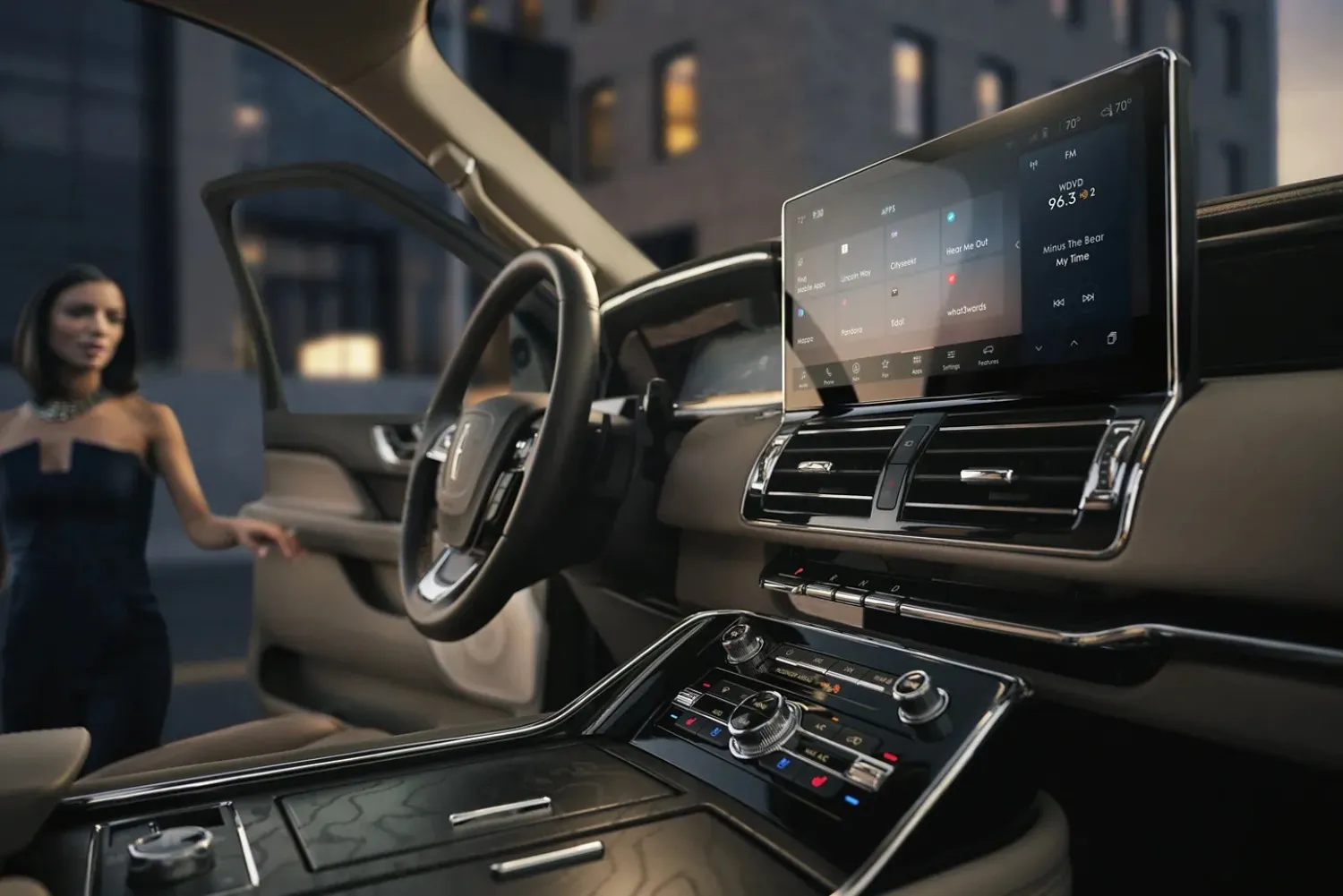
The Evolution of the Digital Cockpit
Mastering the Visual Command Center
The dashboard of a contemporary SUV has undergone a radical transformation, moving away from cluttered arrays of physical buttons toward sleek, glass-encased command centers. The primary focus of this evolution is the relationship between the driver and the digital ecosystem. A large display is no longer just a screen; it is the central nervous system of the vehicle. However, simply increasing screen size does not equate to a better experience. The true challenge lies in organizing complex information in a way that feels natural and safe to use while the vehicle is in motion.
Designers now prioritize hierarchy and accessibility. The goal is to present critical information—such as speed, warnings, and route guidance—within the driver's immediate line of sight, while secondary functions like media selection and climate control are placed within easy reach but slightly off-center. This "zero-layer" concept is gaining traction, where essential functions are permanently available on the home screen, eliminating the need to dig through sub-menus. This approach drastically reduces cognitive load, allowing the driver to maintain focus on the road.
Furthermore, the physical properties of these interfaces have improved. High-definition panels with anti-reflective coatings ensure visibility even under direct sunlight, which is particularly important in SUVs with large panoramic sunroofs. Haptic feedback is another crucial innovation, providing a physical vibration when a digital button is pressed. This tactile confirmation bridges the gap between the certainty of a mechanical switch and the flexibility of a digital display, offering a user interface that is both futuristic and reassuringly responsive. The result is a cabin environment where technology serves the driver, rather than demanding their attention.
Seamless Sound and Signal Flow
Breaking Free from Cables and Enhancing Acoustics
In the modern era of automotive travel, the expectation is that our digital lives will transfer seamlessly from our pockets to the vehicle’s dashboard the moment we close the door. The days of fumbling with auxiliary cables or proprietary connectors are fading. Today, the emphasis is on invisible integration. Advanced systems now detect personal devices instantly, mirroring familiar smartphone interfaces onto the vehicle's main display without a single wire. This wireless capability extends to charging as well, with dedicated inductive pads becoming a standard expectation in family-oriented vehicles.
However, wireless freedom brings its own set of challenges, particularly regarding audio fidelity and connection stability. Audio engineers for large vehicles face a unique task: filling a cavernous cabin with high-quality sound. Unlike a compact sedan, an SUV has a larger volume of air to move and more reflective surfaces, such as large glass windows. To combat this, modern systems utilize sophisticated signal processing and strategic speaker placement. The goal is to create a "sound stage" that feels immersive for every passenger, not just the driver.
This involves active noise cancellation technology, similar to high-end headphones, which monitors road and wind noise and generates opposing frequencies to silence them. This creates a quiet canvas upon which the audio system can paint detailed soundscapes. Whether listening to a podcast or a symphony, the clarity is preserved. The integration of these audio systems is no longer an afterthought; it is a foundational element of the interior design, ensuring that connectivity and acoustic performance work in harmony to elevate the driving experience.
| Feature Comparison | Wireless Projection Integration | Traditional Wired Connection |
|---|---|---|
| Convenience | High: Auto-connects upon entry; no clutter or loose cables in the console area. | Low: Requires manual plugging in every time; cables can tangle or break. |
| Audio Quality | Good: Modern protocols support high bitrate, though heavily dependent on signal interference. | Excellent: Direct physical connection offers lossless audio transmission consistently. |
| Device Battery | Variable: drains battery unless paired with a wireless charging pad. | Maintained: Simultaneously charges the device while transmitting data. |
| Ideal Scenario | Short trips, daily commutes, and quick errands where ease of use is priority. | Long road trips where maximum audio fidelity and constant charging are essential. |
Guidance and Guest Entertainment
Next-Generation Pathfinding and Passenger Joy
Navigating the world requires more than just a static map; it demands a dynamic understanding of the environment. The software powering modern guidance systems has moved beyond simple A-to-B routing. It now integrates real-time data to predict traffic patterns, weather shifts, and even elevation changes that might affect fuel or energy consumption. For the driver, this means the difference between being stuck in gridlock and seamlessly bypassing a jam before it is even visible through the windshield.
Accuracy is paramount. The latest systems utilize a combination of GPS, vehicle sensors, and cloud data to pinpoint location down to the specific lane. This level of precision allows for augmented reality features, where directional arrows are overlaid on a live camera feed of the road ahead, removing the ambiguity of complex highway interchanges. This visual clarity significantly reduces stress, particularly when driving a larger vehicle in unfamiliar urban environments.
Simultaneously, the experience for rear passengers has become a priority. The "are we there yet?" syndrome is being cured by dedicated entertainment zones. Rear-seat setups have evolved from simple DVD players to fully connected smart ecosystems. Passengers can now stream content, play video games, or even interact with the vehicle’s navigation system to suggest stops. By giving rear occupants control over their own environment—including individual audio zones via Bluetooth headphones—the SUV becomes a multi-functional space that caters to the diverse needs of families and groups, ensuring peace and entertainment for the long haul.
| Entertainment Type | Integrated Rear Screens | Portable Tablet Mounts |
|---|---|---|
| System Integration | Deep: Can control car audio, view navigation, and access vehicle settings. | None: Completely independent device; no link to the car's main systems. |
| Aesthetics | Seamless: Designed to match the interior leather and trim; looks premium. | Functional: Looks like an add-on accessory; brackets may protrude when not in use. |
| Content Access | Streamlined: Uses vehicle's built-in data connection; often has pre-loaded apps. | Flexible: Relies on personal accounts and downloaded content; highly portable. |
| Durability | High: Fixed in place; tested to automotive safety standards for crashes. | Variable: Dependent on the tablet case and the strength of the mounting arm. |
Q&A
-
What are some best practices for touchscreen interface design in modern vehicles?
Touchscreen interface design in modern vehicles should prioritize simplicity and intuitive navigation. Key elements include large, easily readable fonts, minimalistic design to reduce driver distraction, and customizable settings that allow users to tailor the interface to their preferences. Additionally, incorporating haptic feedback can enhance user interaction by providing physical responses to touch inputs.
-
How is audio system integration beneficial in enhancing the driving experience?
Audio system integration offers a seamless experience by allowing drivers to control audio settings, such as volume and track selection, directly through the vehicle's touchscreen or steering wheel controls. This integration often supports voice commands and smartphone connectivity, enabling hands-free operation, which is crucial for safety and convenience on the road.
-
What factors affect the accuracy of navigation software in vehicles?
Navigation software accuracy is influenced by several factors, including the quality of GPS signal reception, the frequency of map updates, and the integration of real-time traffic data. Advanced systems also leverage machine learning algorithms to predict and suggest optimal routes, enhancing overall accuracy and reliability.
-
In what ways does rear seat entertainment contribute to passenger satisfaction in vehicles?
Rear seat entertainment systems enhance passenger satisfaction by providing personalized media options such as movies, music, and games. These systems often include wireless headphones and touchscreen controls, allowing each passenger to enjoy their preferred entertainment without disturbing others, making long journeys more enjoyable, especially for families with children.
-
Why is wireless connectivity support important in modern vehicle design?
Wireless connectivity support is crucial as it enables seamless integration with smartphones and other devices, facilitating features like music streaming, hands-free calling, and app usage. It also supports over-the-air updates for vehicle software, ensuring that systems remain up-to-date without requiring visits to a dealership, thereby enhancing the overall user experience.