
The Powertrain and Longevity Factor
Analyzing the Diesel Premium
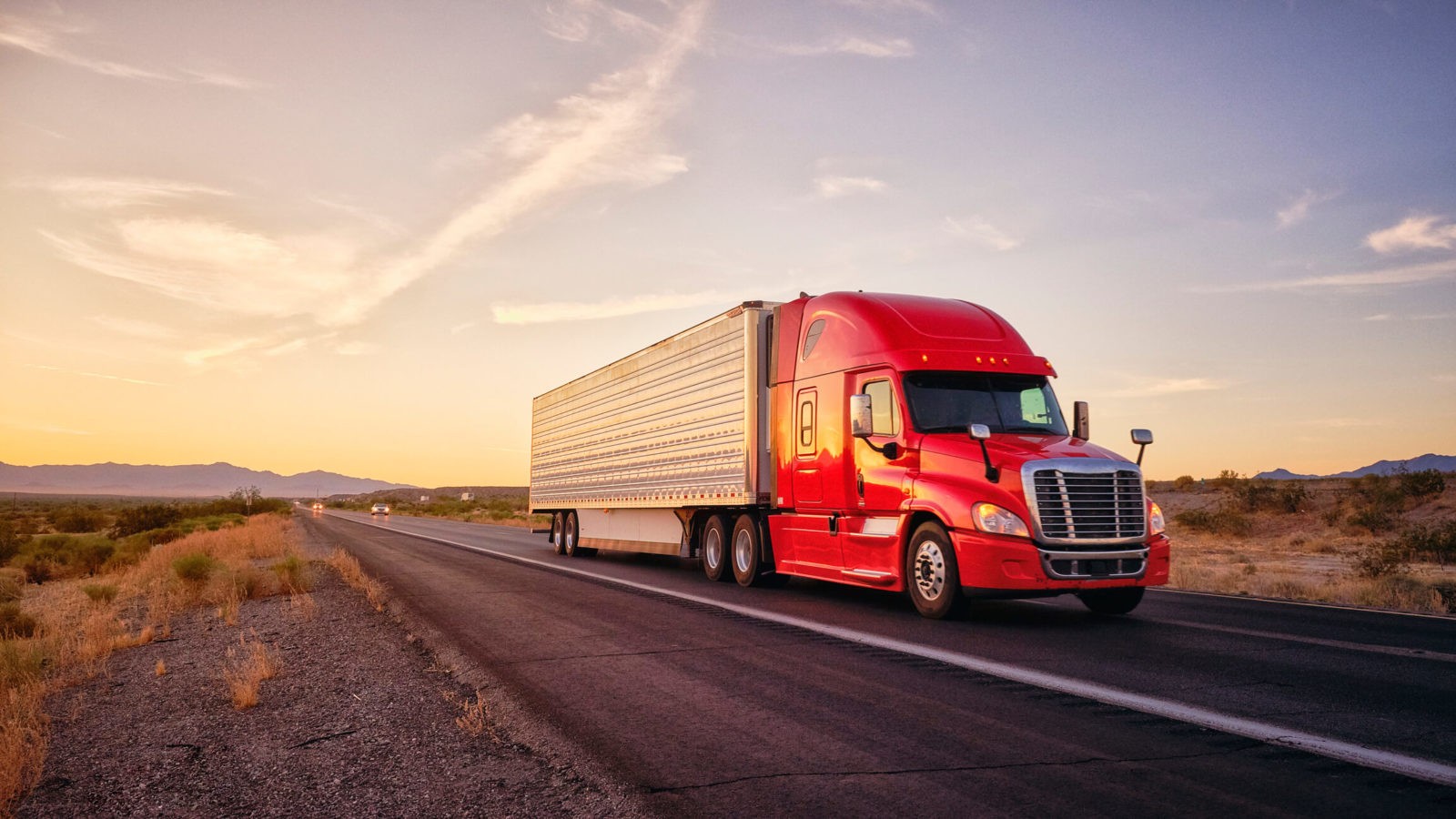
When evaluating the long-term financial trajectory of a heavy-duty vehicle, the engine under the hood is often the single most significant variable. There is a distinct divergence in how the market treats compression-ignition engines compared to their spark-ignition counterparts. Diesel platforms generally command a significantly higher initial purchase price, but this investment often pays dividends when the time comes to sell. The market perception is that these engines are built for extreme longevity, often capable of doubling the lifespan of a standard gasoline engine before requiring major overhaul. This expectation of durability creates a floor for depreciation that is much higher than that of gas-powered equivalents.
However, the "diesel premium" is not purely automatic; it is contingent on the increasing complexity of modern emissions systems. Buyers are becoming more savvy regarding the maintenance costs associated with exhaust after-treatment systems. While the engine block itself may be bulletproof, the peripheral components can be costly liabilities. Therefore, a seller who can provide a comprehensive service history proving that the fuel system, turbocharger, and emissions components have been meticulously maintained will realize the maximum potential of that diesel engine. Conversely, a gas engine, while depreciating faster initially, can sometimes offer a quicker, easier sale to a broader demographic looking for a daily driver rather than a dedicated hauler, provided the price reflects that steeper drop in value.
The Psychology of High Mileage
The odometer reading is traditionally viewed as the ultimate countdown clock for a vehicle's value, yet in the truck market, this number is far more nuanced. There is a psychological barrier that exists at specific intervals, such as the 100,000-mile mark, where the pool of willing buyers shrinks, and the price must be adjusted accordingly. However, unlike economy cars where high mileage is often a death knell for value, utility vehicles are judged by a metric of "work performed" versus "life remaining." A high-mileage truck that has spent its life on highway commutes is vastly different from one with lower miles that was used strictly for heavy towing or off-road construction work.
Sellers dealing with high-mileage assets need to shift the narrative from "distance traveled" to "condition maintained." This is where the distinction between highway miles and city miles becomes a critical selling point. High mileage on a chassis that shows little suspension wear, has a clean interior, and lacks the tell-tale signs of heavy towing (such as a worn hitch receiver or bed damage) suggests that the miles were easy. Buyers looking for workhorses are often willing to overlook the odometer if the transmission shifts smoothly and the suspension is tight. The key is to demonstrate that the vehicle has been "run," not "beaten." Documentation becomes the bridge that helps a buyer cross the chasm of high mileage anxiety; a thick folder of receipts can often add as much value as a lower odometer reading.
Market Timing and Seasonal Influences
navigating Seasonal Demand Cycles
The calendar on the wall has a surprising amount of leverage when negotiating the sale of a utility vehicle. Unlike family sedans, which have a relatively flat demand curve throughout the year, trucks are heavily influenced by weather, industry cycles, and recreational seasons. Understanding these rhythms allows a seller to list their vehicle when the hunger for that specific configuration is at its peak. For instance, four-wheel-drive models see a massive spike in interest as autumn transitions into winter. The anticipation of snow and poor driving conditions drives panic buying and practical preparation alike, artificially inflating the value of anything with high ground clearance and locking differentials.
Conversely, the spring season often triggers a different type of buyer: the contractor and the outdoor enthusiast. As construction season ramps up, the demand for work-spec trucks with long beds, ladder racks, and durable interiors increases. Simultaneously, drivers looking to tow boats or campers for the summer begin their search. Listing a two-wheel-drive sport truck in the middle of a blizzard will likely result in low-ball offers or complete silence. To maximize returns, sellers must align their listing with the specific utility their vehicle provides. If the vehicle is built for play, sell it when the weather is nice; if it is built for survival and traction, sell it when the forecast looks bleak.
| Scenario | Ideal Selling Window | Buyer Motivation |
|---|---|---|
| 4x4 / Off-Road Capable | Late Autumn to Early Winter | Preparation for snow, hunting season, and poor road conditions. |
| Heavy Duty Towing | Late Spring to Early Summer | Preparation for boating, camping, and RV season. |
| Work / Fleet Spec | Early Spring | Ramp-up of construction, landscaping, and agricultural work. |
| Sport / Street Performance | Summer | "Curb appeal" creates emotional impulse buys during good weather. |
The Impact of Customization
The Double-Edged Sword of Modifications
A common misconception among enthusiasts is that every dollar spent on aftermarket upgrades translates into a dollar added to the asking price. In reality, customization is often a depreciating asset that can sometimes lower the overall value of the vehicle. Modifications narrow the potential buyer pool significantly. A vehicle lifted six inches with aggressive mud-terrain tires appeals to a very specific demographic but alienates the buyer looking for a comfortable daily driver, a safe family hauler, or a reliable tow rig. To the general market, extensive modifications signal that the vehicle has been driven hard, potentially off-road, and that stock components may have been subjected to stress they weren't designed for.
However, not all modifications are detrimental. Functional upgrades tend to retain value better than cosmetic or performance ones. Practical additions like spray-in bed liners, high-quality tonneau covers, or reputable towing brake controllers are often viewed as "value-added" bonuses because they save the new owner the trouble of installing them. The rule of thumb for resale is that "stock is king." If a seller has the original parts, it is often financially wise to revert the vehicle to its factory condition and sell the aftermarket parts separately. This strategy usually yields a higher total return than trying to find the one specific buyer who shares your exact taste in wheels, suspension, and aesthetics.
| Modification Type | Market Perception | Impact on Resale Ease |
|---|---|---|
| Extreme Lift Kits | Viewed as high wear-and-tear risks; implies hard usage. | Significant Decrease (Narrows buyer pool). |
| Performance Tuners | Suggests the engine was pushed beyond factory limits. | Decrease (Raises reliability concerns). |
| Bed Liners / Covers | Seen as protection and practical utility. | Neutral / Slight Increase (Broad appeal). |
| Running Boards | Practical for accessibility; generally welcomed. | Neutral / Slight Increase (Functional). |
| Oversized Wheels | Highly subjective taste; rarely recoups cost. | Decrease (Polarizing aesthetic). |
Restoring Value Through Presentation
Regardless of mileage, engine type, or the time of year, the final and perhaps most controllable factor is presentation. This goes beyond a simple wash and wax. It involves addressing the cosmetic flaws that serve as bargaining chips for buyers. Faded headlights, cracked taillights, or a torn driver's seat bolster are minor issues that disproportionately drag down the perceived value. These visual cues subconsciously tell the buyer that the vehicle was neglected, leading them to wonder what mechanical maintenance was also skipped.
Investing a small amount of money into detailing and minor cosmetic repairs can yield a disproportionately high return on investment. Cleaning the engine bay, for example, is a powerful psychological tool; a clean engine suggests a leak-free, well-cared-for machine. Similarly, removing distinct personalizations—stickers, window tints that are peeling, or worn-out steering wheel covers—helps the buyer visualize the truck as theirs rather than yours. The goal is to present a blank canvas that retains its utility, signaling reliability and care. In the competitive used market, a truck that looks "ready to work" without needing immediate attention will always command the upper end of the price bracket.
Q&A
-
What factors affect truck resale value?
Several factors can influence the resale value of a truck, including its make and model, age, mileage, overall condition, and service history. Additionally, market demand, fuel type (diesel vs. gasoline), and even color can impact resale value. Trucks with a reputation for reliability and low maintenance costs typically retain their value better.
-
Which trucks have the best resale value?
Trucks known for their durability and reliability often have the best resale value. Brands like Toyota, Ford, and Chevrolet are frequently cited for their strong resale values. Models such as the Toyota Tacoma, Ford F-150, and Chevrolet Silverado are popular choices due to their performance and dependability.
-
How does depreciation affect diesel trucks differently than gasoline trucks?
Diesel trucks often depreciate at a different rate than gasoline trucks. While they may have a higher upfront cost, diesel trucks generally offer better fuel efficiency and longer engine life, which can result in a slower depreciation rate. However, maintenance costs and emissions regulations can also play a role in affecting their depreciation.
-
What is the impact of high mileage on truck value?
High mileage can significantly impact a truck's resale value, as it often indicates more wear and tear. However, if a high-mileage truck has been well-maintained with a comprehensive service record, it can still retain a reasonable value. Buyers may also consider the type of mileage (highway vs. city) when evaluating a truck's worth.
-
How do modifications affect a truck's resale value?
Modifications can have both positive and negative effects on a truck's resale value. While performance-enhancing upgrades or aesthetic improvements might appeal to certain buyers, they can also limit the market to those who share the same tastes. Additionally, non-factory modifications may void warranties or raise concerns about the quality of work, potentially decreasing resale value.