
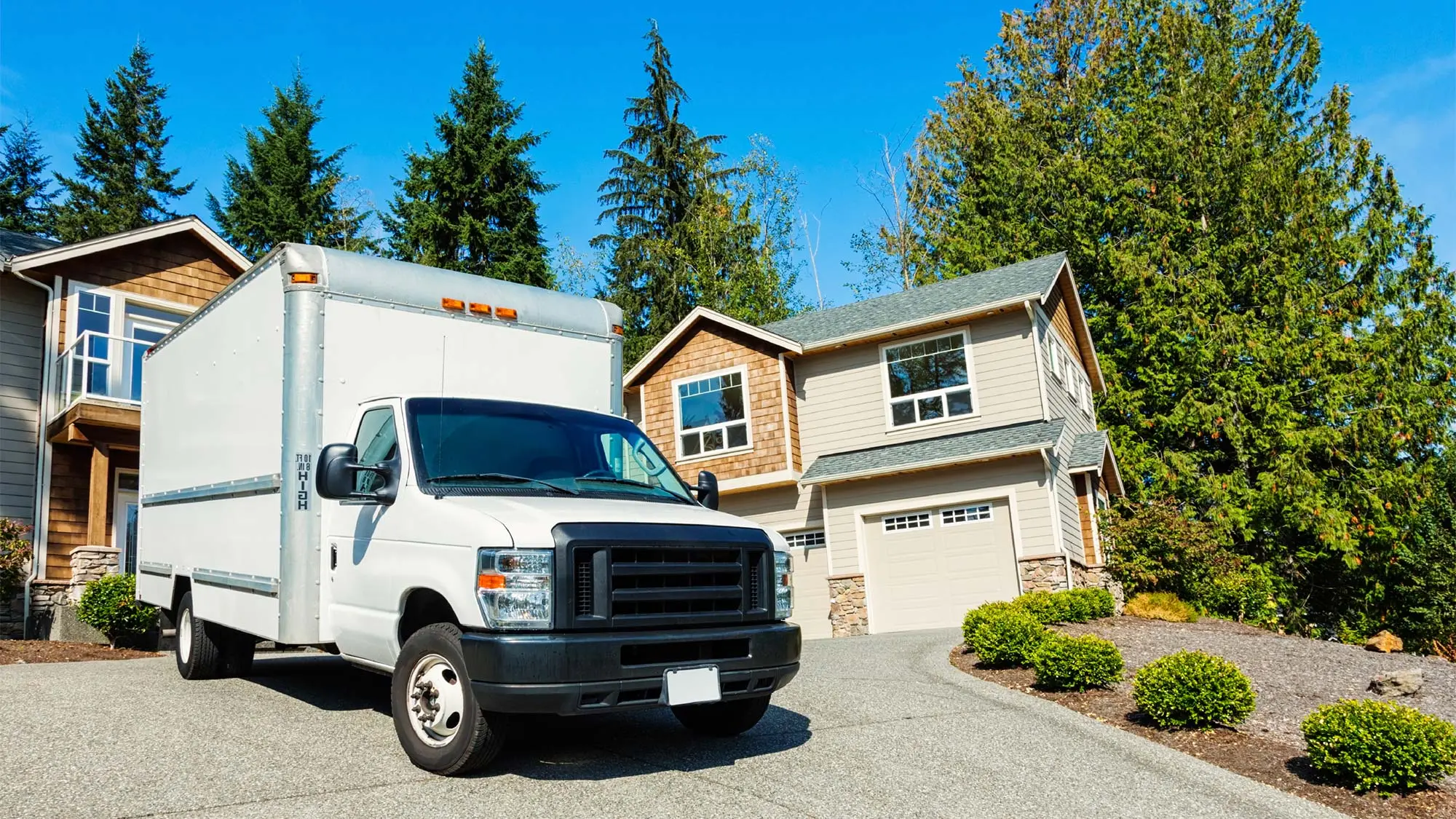
Tailoring the Transport to the Task
Finding the Sweet Spot Between Volume and Agility
When faced with a significant move or a large delivery project, the immediate challenge is selecting the appropriate vehicle capacity. There is a common misconception that "bigger is always better" when it comes to hauling cargo. While it might seem logical to maximize space to ensure everything fits, choosing a vehicle that is excessively large compared to your actual load can introduce unexpected complications. If the cargo area is too spacious, items are more likely to shift, slide, or topple during transit, significantly increasing the risk of damage to furniture or fragile goods. Furthermore, navigating a massive vehicle through narrow residential streets or tight urban parking lots can be a nerve-wracking experience for drivers unaccustomed to such dimensions.
Conversely, attempting to save money by selecting a vehicle that is too compact can be equally problematic. Underestimating the volume of your belongings often leads to the need for multiple trips, which not only consumes valuable time but also increases fuel costs, negating any initial rental savings. The most effective approach is to create a comprehensive inventory of the items you intend to transport. By estimating the total volume of boxes and furniture, you can consult with rental professionals who can recommend a size that balances capacity with maneuverability. The goal is to find a "Goldilocks" solution—a vehicle that holds your load snugly to prevent movement while remaining manageable on the road.
The Mechanics of Loading: Reducing Physical Strain
Selecting the right vehicle extends beyond mere cubic footage; the physical attributes that facilitate loading and unloading are equally critical. The design of the cargo area plays a pivotal role in determining the physical toll the day will take on your body. For instance, a vehicle with a low deck height allows for a much easier transition of heavy items from the ground to the truck bed, significantly reducing back strain over several hours of lifting. When moving heavy appliances or solid wood furniture, the difference of a few inches in deck height can define the difficulty of the entire operation.
Modern transport vehicles often come equipped with specific features designed to mitigate the effort required for loading. Hydraulic lift gates are invaluable for heavy, singular items like refrigerators or washing machines, mechanically lifting the weight so you don't have to. Alternatively, loading ramps are essential for those using dollies to wheel stacks of boxes directly into the hold. Understanding the nature of your cargo allows you to match the vehicle’s features to your needs. If you are moving a household, a ramp is often indispensable; if you are transporting heavy machinery or pallets, a lift gate is superior.
| Feature Type | Best Suited For | User Benefit |
|---|---|---|
| Hydraulic Lift Gate | Heavy appliances, pallets, motorcycles | Eliminates the need for vertical lifting; prevents back injuries. |
| Loading Ramp | Boxes on dollies, light furniture, general household moves | Allows for continuous rolling workflow; speeds up loading time. |
| Low-Deck Design | Frequent stops, manual loading without equipment | Reduces the lifting height threshold; improves ergonomic efficiency. |
| Tie-Down Rails | Tall furniture, fragile antiques, motorcycles | Provides anchor points to strap items securely preventing transit damage. |
Cabin Comfort as a Safety Factor
While the cargo space gets the most attention, the driver's cabin is where the human element of the journey takes place. This aspect is frequently overlooked, yet it is paramount for safety, especially during long-distance relocations. The driving environment directly influences fatigue levels and alertness. Modern commercial vehicles have evolved significantly, offering cabins that rival passenger cars in terms of ergonomics and amenities. However, differences in seat adjustability, legroom, and visibility remain across different models.
For journeys spanning several hours, features such as effective air conditioning, sound insulation, and audio connectivity become more than just luxuries—they are essential for maintaining driver focus. A comfortable driver is a safe driver. When booking, it is worth inquiring about the specific cabin configuration. Does it offer enough space for a co-driver? Is there adequate storage for snacks, maps, and hydration? Viewing the vehicle not just as a container for goods but as a mobile workspace ensures that the travel portion of your project remains safe and manageable.
Unleashing the Potential of All-Terrain Journeys
Accessing the Unreachable
For those seeking adventure rather than relocation, specialized high-clearance vehicles open the door to experiences that standard rental cars simply cannot provide. The ability to traverse unpaved gravel roads or navigate rough trails allows travelers to escape the crowded tourist hubs and discover secluded, pristine landscapes. This capability transforms a simple drive into an exploration of nature’s quietest corners, from hidden mountain campsites to untouched riverside spots.
The utility of an off-pavement capable vehicle lies in its ability to extend your reach. Where a standard sedan might scrape its undercarriage or lose traction, a robustly designed truck or 4x4 proceeds with confidence. This expanded range means you are not limited to the pavement's edge; the journey itself becomes an integral part of the adventure. It allows for spontaneity—turning down a dirt track to see where it leads—without the constant fear of damaging the vehicle or getting stuck.
Stability and Confidence on Uneven Ground
Driving in unfamiliar territory, particularly where road conditions are unpredictable, can be a significant source of stress. Vehicles designed for utility and rougher terrain are engineered with robust suspension systems and higher ground clearance. These mechanical advantages do more than just protect the car; they absorb the shocks and vibrations of washboard roads, creating a smoother ride for passengers and reducing the physical fatigue of the driver.
Furthermore, the elevated seating position inherent in these vehicles offers superior visibility. Being able to see over tall grass, anticipate changes in the trail surface, or spot obstacles further ahead allows for more proactive and calm driving. Even in adverse weather conditions like heavy rain or mud, the traction provided by all-terrain tires and drivetrain systems offers a sense of security. This stability is crucial when carrying family or friends, turning what could be a white-knuckle drive into an enjoyable part of the outdoor experience.
Managing the Mess: The Utility of Open Beds
Outdoor activities invariably involve elements that are unfriendly to plush car interiors: water, mud, ash, and sand. One of the distinct advantages of utilizing a vehicle with an open or separate cargo bed is the ability to segregate the "adventure" from the "passengers." Wet kayaks, muddy mountain bikes, and firewood that smells of smoke can be tossed into the back without a second thought. This separation eliminates the anxiety of staining upholstery or lingering odors that often accompanies using a standard SUV or station wagon for rugged trips.
This clear division of space simplifies the logistics of the trip. Clean items like clothing, sleeping bags, and electronics remain protected in the cabin, while the dirty gear stays in the bed. This utility-focused design also makes the final cleanup significantly easier. Instead of vacuuming sand out of carpets, the bed can simply be hosed down. It allows travelers to fully immerse themselves in their activities—getting muddy and wet—knowing that the transport back home handles the mess efficiently.
Smart Logistics and Financial Safeguards
The Efficiency of Point-to-Point Transport
When planning a long-distance move, the logistics of returning the vehicle often present a major hurdle. Driving a large, empty vehicle hundreds of miles back to the original pick-up location is not only exhausting but also financially inefficient. This is where the option of dropping off the vehicle at a different location near your destination becomes a game-changer. Known as "one-way" hiring, this service model eliminates the need for a return loop, streamlining the entire relocation process.
Economically, this approach often makes more sense than a round-trip rental, despite potential drop-off fees. When you factor in the fuel required for the return leg, highway tolls, and the sheer value of your time, the one-way option proves to be cost-effective. It also significantly reduces the total time spent on the road, lowering the risk of fatigue-related accidents. By ending your obligation to the vehicle once you arrive at your new home, you can immediately focus on unpacking and settling in, rather than facing a long drive back.
Navigating the Complexities of Liability and Coverage
Insurance is perhaps the most confusing aspect of hiring a utility vehicle. Many drivers assume their personal auto insurance or credit card benefits will automatically extend to any vehicle they drive. However, this is a dangerous assumption when it comes to larger trucks or cargo vans. Most personal policies and credit card protections explicitly exclude vehicles above a certain weight class or those classified for commercial use. Relying on these without verification can leave you personally liable for thousands of dollars in damages.
A critical, often overlooked component is "Loss of Use" coverage. If you damage a rental vehicle and it requires repairs, the rental agency loses revenue for every day that vehicle is off the road. Standard personal insurance rarely covers this fee, meaning you could be billed for the daily rental rate during the entire repair period. Purchasing the rental company’s collision damage waiver (CDW) or liability supplement usually covers this specific risk, along with the physical repair costs. Before signing any contract, it is imperative to verify specifically what is and isn't covered to avoid financial shock.
| Coverage Source | Typical Inclusions | Common Exclusions & Risks |
|---|---|---|
| Personal Auto Policy | Liability for others, sometimes physical damage to vehicle | Often excludes trucks >10,000 lbs, cargo vans, and "Loss of Use" fees. |
| Credit Card Benefits | Collision damage (secondary coverage) | Almost always excludes moving trucks, pickups, and large vans. Length of rental often limited to 15 days. |
| Rental Company Waiver (CDW/LDW) | Damage to the rental vehicle, "Loss of Use," theft | Tire and glass damage (sometimes), overhead clearance accidents (roof damage). |
Best Practices for a Seamless Experience
Securing Availability and Vehicle Familiarity
The timeline of your move is often dictated by the availability of the transport vehicle. To avoid the stress of last-minute scrambling, booking your vehicle as soon as your moving date is confirmed is essential. High-demand periods, such as ends of the month or weekends, see fleets booked out weeks in advance. Securing a reservation early not only guarantees a vehicle but often provides access to better rates and a wider selection of sizes.
Once the booking is made, consider your familiarity with the machine. If you are accustomed to driving compact sedans, piloting a large box truck can be intimidating. Check the transmission type before you arrive; while most modern fleets are automatic, some specialized vehicles may still be manual. Understanding the clearance height is also vital—many rental accidents involve drivers striking low bridges or drive-thrus because they forgot the added height of the cargo box. A few minutes of mental preparation regarding the vehicle’s dimensions can prevent significant mishaps.
Pre-Drive Inspections and Cargo Security
On the day of the rental, the impulse is often to load up and leave immediately. However, the initial walk-around inspection with the rental agent is your primary defense against unwarranted damage charges. Scrutinize the exterior for scratches, dents, or windshield cracks, and ensure these are documented on the rental agreement. Taking your own photos with a smartphone provides an indisputable timestamped record of the vehicle's condition at pickup.
When loading, the physics of the drive change. Heavy items should be placed deep in the cargo bay, closest to the driver's cabin. This keeps the center of gravity forward and stabilizes the steering. Using ratchet straps or rope to secure items to the interior rails is non-negotiable; shifting loads can dangerously alter the vehicle's balance during turns or braking. Remember, a loaded truck requires significantly more distance to stop than a car, so maintaining a generous following distance is a critical safety habit.
The Final Handoff: Returns and Etiquette
Completing the journey successfully involves a proper return procedure. Most agreements require the vehicle to be returned with a full tank of fuel. To avoid inflated refueling charges from the rental company, locate a gas station near the drop-off point before you arrive. It is easy to forget this step in the exhaustion of a move, but it is a costly oversight.
Finally, ensure the cargo area is swept clean. Leftover packing materials, debris, or small forgotten items can result in cleaning fees. Returning the vehicle in the same condition it was received is not just a contractual obligation but a courtesy that ensures the closing of the contract is swift and dispute-free. By adhering to these operational best practices, you transform a potentially chaotic chore into a structured, manageable, and successful project.
Q&A
-
What are the benefits of Daily Truck Rentals for personal use?
Daily Truck Rentals offer flexibility and convenience for personal use, allowing individuals to rent a truck for a short period without long-term commitments. This is ideal for tasks such as moving furniture, transporting large items, or handling small-scale DIY projects. Daily rentals also provide an opportunity to choose a truck size that fits the specific needs of the day.
-
How can Moving Truck Rentals simplify the relocation process?
Moving Truck Rentals streamline the relocation process by providing the necessary vehicle size for transporting household items efficiently. They often come equipped with moving supplies such as dollies, straps, and furniture pads, which can help protect belongings. Additionally, rental companies may offer different rental periods, allowing for flexibility in planning the move.
-
What types of vehicles are typically available for Commercial Truck Rentals?
Commercial Truck Rentals generally include a variety of vehicles such as cargo vans, box trucks, and flatbed trucks. These options cater to businesses needing to transport goods, equipment, or tools. The availability of different sizes and types of trucks allows businesses to select the most appropriate vehicle for their specific logistical needs.
-
Why might someone opt for Off-Road Truck Rentals, and what are their typical applications?
Off-Road Truck Rentals are ideal for individuals or businesses needing to navigate challenging terrains not suited for standard vehicles. They are commonly used in construction, agricultural, or adventure tourism sectors. These trucks are equipped with features such as enhanced suspension and traction control, making them suitable for rough or uneven surfaces.
-
What should renters consider regarding Insurance for Rented Trucks?
Renters should carefully review their insurance options when renting a truck to ensure adequate coverage. It's important to understand the terms of the rental company's insurance policies, including liability, collision, and comprehensive coverage. Renters might also check if their personal auto insurance or credit card offers rental truck coverage to avoid unnecessary costs.
-
How do One-Way Truck Rentals differ from standard rentals, and what are their advantages?
One-Way Truck Rentals allow renters to pick up a truck at one location and drop it off at another, offering significant convenience for long-distance moves. This option eliminates the need to return the vehicle to the original rental location, saving time and fuel costs. It's particularly beneficial for cross-country relocations or when moving between cities.