
The Rise of the City-Friendly Navigator
Agile Handling in Concrete Jungles
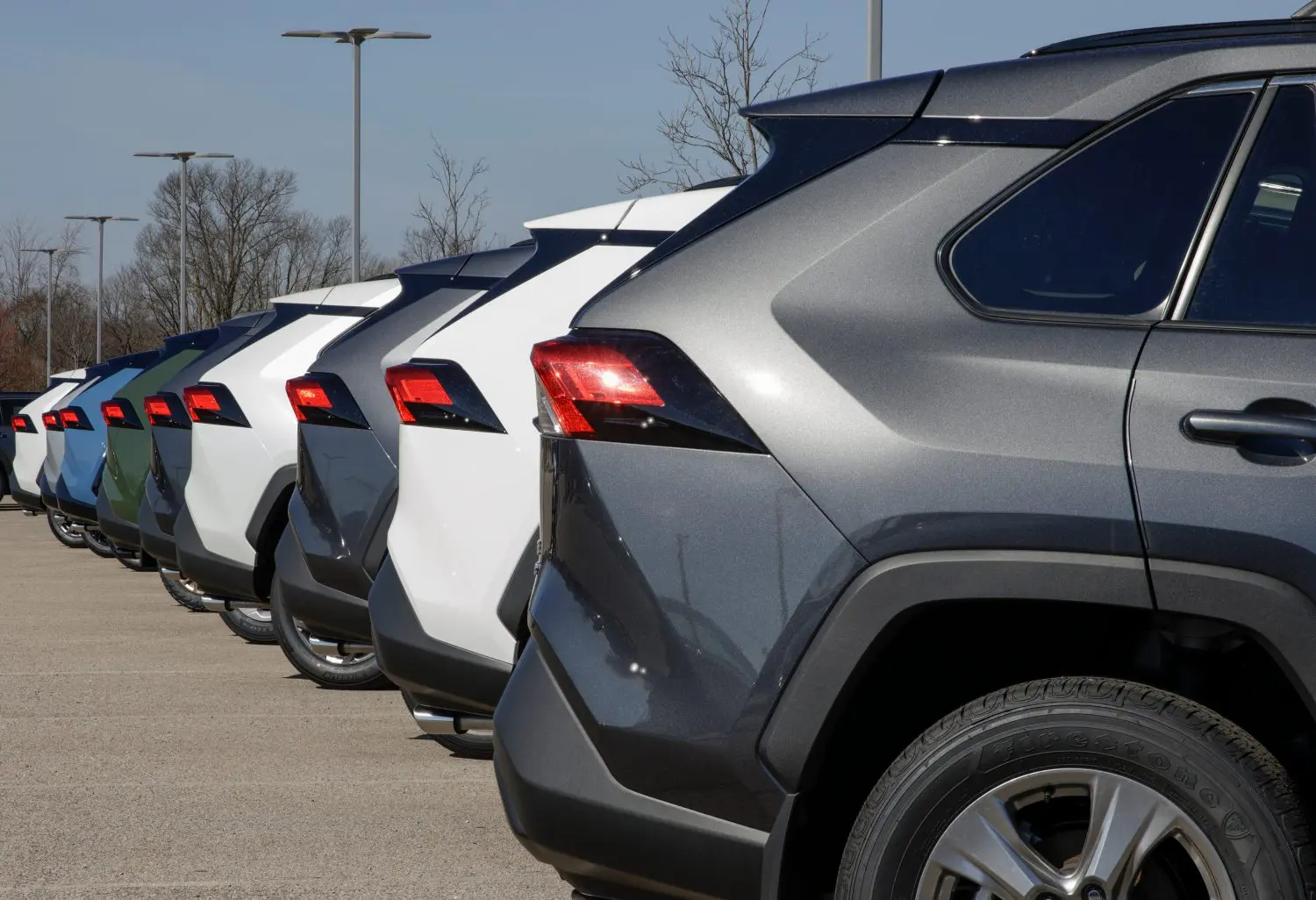
For those living in densely populated metropolitan areas, the choice of a vehicle is often dictated by the constraints of the environment. Navigating narrow one-way streets, squeezing into tight parallel parking spots, and managing the spiraling ramps of multi-story parking garages can turn driving a large vehicle into a daily source of stress. This specific set of challenges has fueled the immense popularity of smaller, high-riding vehicles. The primary allure of this category lies in its ability to offer the maneuverability of a traditional hatchback or sedan while providing the commanded seating position inherent to larger utility vehicles.
This elevated viewpoint is more than just an aesthetic preference; it is a practical safety feature. Being seated higher allows the driver to see over traffic, spot pedestrians at crosswalks more easily, and anticipate road conditions further ahead. This improved visibility significantly reduces the cognitive load on the driver, making the chaotic stop-and-go nature of city driving less fatiguing. Furthermore, modern engineering has allowed these vehicles to shed the boxy, utilitarian image of the past. Today’s models feature sleek, aerodynamic lines that blend seamlessly into sophisticated urban landscapes. They are designed not just as tools for transportation, but as extensions of a modern lifestyle—stylish enough for a night out yet practical enough for the daily commute.
The interior packaging of these vehicles has also seen a revolution. The term "compact" no longer implies a cramped cabin. Through clever engineering, manufacturers have maximized interior volume, ensuring that head and legroom are generous enough to accommodate adults comfortably. The versatility of fold-flat rear seats transforms these daily drivers into capable haulers for weekend grocery runs or moving furniture. Coupled with advanced driver-assist systems like 360-degree cameras and proximity sensors, these vehicles remove the anxiety of urban maneuvering, proving that you do not need a massive footprint to enjoy the benefits of a utility vehicle.
| Feature | Urban-Oriented Design | Adventure-Ready Design |
|---|---|---|
| Suspension Tuning | Stiff and responsive for cornering on pavement | Long-travel and soft to absorb rock and bump impacts |
| Ground Clearance | Lower center of gravity for stability | Elevated to clear obstacles and wade through water |
| Tire Choice | Low-profile tires optimized for fuel economy and noise reduction | All-terrain tires with reinforced sidewalls for grip |
| Drivetrain Focus | FWD bias or reactive AWD for rain/snow safety | 4WD with low-range transfer cases for steep inclines |
Efficiency Meets Modern Lifestyle
Operating a vehicle in an urban environment inevitably involves frequent stops, idling at traffic lights, and crawling through congestion. Historically, utility vehicles were notorious for poor fuel economy in these conditions, but the landscape has changed dramatically. The integration of advanced hybrid technology has become the standard rather than the exception in this segment. By utilizing electric motors for low-speed maneuvering and initial acceleration, modern powertrains mitigate the inefficiency of internal combustion engines in heavy traffic. This results in a quiet, smooth driving experience that is particularly appreciated during late-night returns to quiet residential neighborhoods.
Beyond the immediate benefit of reduced fuel consumption, the shift toward electrified powertrains reflects a broader change in consumer priorities. Drivers are increasingly looking for vehicles that align with a desire for sustainability and lower running costs. The reduction in trips to the gas station saves valuable time for busy professionals, while the money saved on fuel can be redirected toward leisure activities and hobbies. This economic efficiency extends to maintenance as well; hybrid systems often reduce wear on brake pads through regenerative braking and alleviate strain on the engine.
The market response confirms this trend. Buyers are no longer willing to compromise on efficiency to gain utility. They demand a "no-compromise" solution where environmental responsibility coexists with practicality. Consequently, manufacturers are pouring resources into developing lighter, more aerodynamic bodies that further enhance range and performance. The result is a vehicle class that offers a smart, logical answer to the demands of contemporary life—minimizing waste while maximizing utility, ensuring that the car serves the driver's life rather than becoming a financial burden.
Beyond the Pavement: Adventure and Utility
The Resurgence of Rugged Capability
While city streets drive one side of the market, there is a simultaneous and powerful surge in demand for vehicles that promise escape. Market data reveals a growing appetite for genuine "toughness," moving beyond mere aesthetics to functional capability. This trend is characterized by the rise of models that, while comfortable enough for daily driving, possess the mechanical fortitude to handle unpaved trails, snow, and mud. This is not just about owning a car; it is about buying into a lifestyle of freedom. The "Adventure-Ready" philosophy suggests that while you may commute to an office on Monday, you have the theoretical capacity to cross a desert on Saturday.
This psychological element—the peace of mind that comes from knowing your vehicle can handle the worst-case scenario—is a significant driver of sales. It attracts a broad demographic, from outdoor enthusiasts to families living in regions with harsh winters. These vehicles typically feature increased ground clearance, robust all-wheel-drive systems that actively manage torque distribution, and underbody protection. Unlike the dedicated off-roaders of the past, which were often uncomfortable and unruly on pavement, the modern iteration balances trail performance with highway manners.
Furthermore, this rugged positioning has tangible financial benefits. Analysis of the used car market indicates that models with a reputation for durability and off-road prowess hold their value significantly better than their road-focused counterparts. A vehicle known for conquering difficult terrain is perceived as having a longer lifespan, making it a safer investment. Consumers are increasingly viewing their vehicle choice through this lens of asset retention, opting for models that promise resilience. This shift signifies a move away from disposable consumption toward durable goods that support an active, exploratory way of living.
Maximizing Space for the Long Haul
At the upper end of the size spectrum, the appeal shifts toward maximizing capacity and comfort. The full-size category is defined by its ability to transport people and gear without compromise. For many families, the "third-row" factor is the ultimate decision-maker. In mid-sized options, the rear seats can often be an afterthought suitable only for small children, but true large-scale models offer legitimate seating for adults in all rows. This creates a "living room on wheels" environment where long road trips become a shared, comfortable experience rather than an endurance test.
The utility of these larger vessels extends to their impressive cargo and towing capabilities. Whether it is hauling camping gear, sports equipment, or towing a boat to the lake, the physical mass and powerful engines of these vehicles provide a sense of stability and authority that smaller cars cannot match. There is a specific reassurance in knowing that you have surplus power and space; you never have to leave a piece of luggage behind or worry if the car can handle a steep mountain grade while fully loaded.
In recent years, this segment has also undergone a luxury transformation. No longer just utilitarian workhorses, large SUVs have adopted the materials and technologies previously reserved for executive sedans. High-grade leather, advanced sound insulation, and sophisticated climate control systems turn the cabin into a sanctuary from the outside world. This evolution has attracted buyers who might have historically chosen luxury limousines but now prefer the commanding view and versatility of a larger chassis. The modern full-size vehicle is a statement of capability wrapped in premium comfort, serving as a mobile base of operations for both family duties and leisure pursuits.
| Driving Priority | SUV Type to Consider | Reasoning |
|---|---|---|
| Easy Parking & Fuel Economy | Compact Crossover | It fits in tight urban spaces and keeps monthly fuel costs low. |
| Family Comfort & Towing | Full-Size / Large SUV | It offers maximum passenger space and the power to pull trailers. |
| Weekend Trails & Camping | Rugged Mid-Size | It balances daily drivability with the hardware needed for rough terrain. |
| Tech & Ride Quality | Luxury Crossover | It prioritizes a quiet cabin, smooth ride, and premium features over ruggedness. |
The Mechanics of Modern Performance
Electrification and the Weight Paradox
A significant transformation is occurring under the hood, fundamentally changing how these vehicles drive. Historically, a heavy vehicle required a massive, fuel-guzzling engine to get moving, often resulting in sluggish response times and loud mechanical noise. However, the introduction of electrification has turned this dynamic on its head. Electric motors are distinct in their ability to deliver maximum torque instantly—from zero RPM. When applied to heavier vehicles, this characteristic eliminates the feeling of "heaviness" during acceleration, making a two-ton vehicle feel surprisingly agile and responsive.
This technological shift has refined the driving experience. The seamless integration of electric power allows for silent cruising in city environments and smooth, linear power delivery on highways. The aggressive roar of an engine struggling to climb a hill is being replaced by the quiet hum of efficiency. For the driver, this translates to a sense of effortless control. Merging onto fast-moving freeways or overtaking slower traffic is executed with confidence, as the powertrain responds immediately to pedal inputs without the lag associated with traditional transmissions downshifting.
Moreover, the benefits of electric torque extend to adverse driving conditions. In scenarios involving snow, sand, or wet pavement, electric motors can adjust power delivery to individual wheels milliseconds faster than mechanical linkages. This precise control enhances traction and stability, providing a safety net that operates largely in the background. As manufacturers continue to refine these systems, the trade-off between size and performance is disappearing. Drivers can now enjoy the safety and space of a larger vehicle without sacrificing the snappy, enjoyable driving dynamics usually associated with smaller cars. The evolution of the powertrain is not just about saving fuel; it is about elevating the quality of the drive itself.
Q&A
-
What are the current trends in the Compact SUV market?
The Compact SUV market is seeing a surge in popularity due to its versatile size and fuel efficiency, which appeals to urban dwellers and small families. Current trends include the integration of advanced technology features, such as driver assistance systems and connectivity options. Additionally, eco-friendly models like hybrids and electric vehicles are becoming more prevalent, responding to consumer demand for sustainable options.
-
Why is there a growing demand for Mid Size SUVs?
Mid Size SUVs are gaining traction because they strike a balance between spaciousness and maneuverability, making them ideal for families who need more room than a compact SUV offers but still desire the ease of driving in suburban and urban settings. The increased demand is also driven by their versatile performance, which often includes better towing capacity and off-road capabilities compared to smaller models.
-
What factors are considered in a Full Size SUV analysis?
Full Size SUV analysis typically considers factors such as towing capacity, interior space, and luxury features. These vehicles are often chosen for their ability to carry large families and cargo, making them suitable for long trips and outdoor adventures. Analysts also look at fuel efficiency and cost-effectiveness, as these vehicles can be more expensive to run compared to smaller models.
-
How are Crossover SUVs classified, and what distinguishes them from traditional SUVs?
Crossover SUVs are classified based on their car-like construction, typically built on a unibody platform, which contrasts with the body-on-frame construction of traditional SUVs. This classification allows for a smoother ride and better fuel efficiency. Crossovers are distinguished by their focus on providing a comfortable driving experience with the practicality of an SUV, appealing to consumers who prioritize comfort and style over ruggedness.
-
What are the primary uses of Urban SUVs, and how do they differ from Off Road SUVs?
Urban SUVs are primarily designed for city driving, offering compact size, easy maneuverability, and often include features like advanced parking assistance and enhanced fuel efficiency. They differ from Off Road SUVs, which are built for rugged terrain with features like higher ground clearance, all-terrain tires, and robust suspension systems. Urban SUVs focus on comfort and convenience in city environments, while Off Road SUVs are engineered for adventure and durability in challenging landscapes.