
Maximizing Utility and Vertical Space
The Foundation of a Mobile Fortress
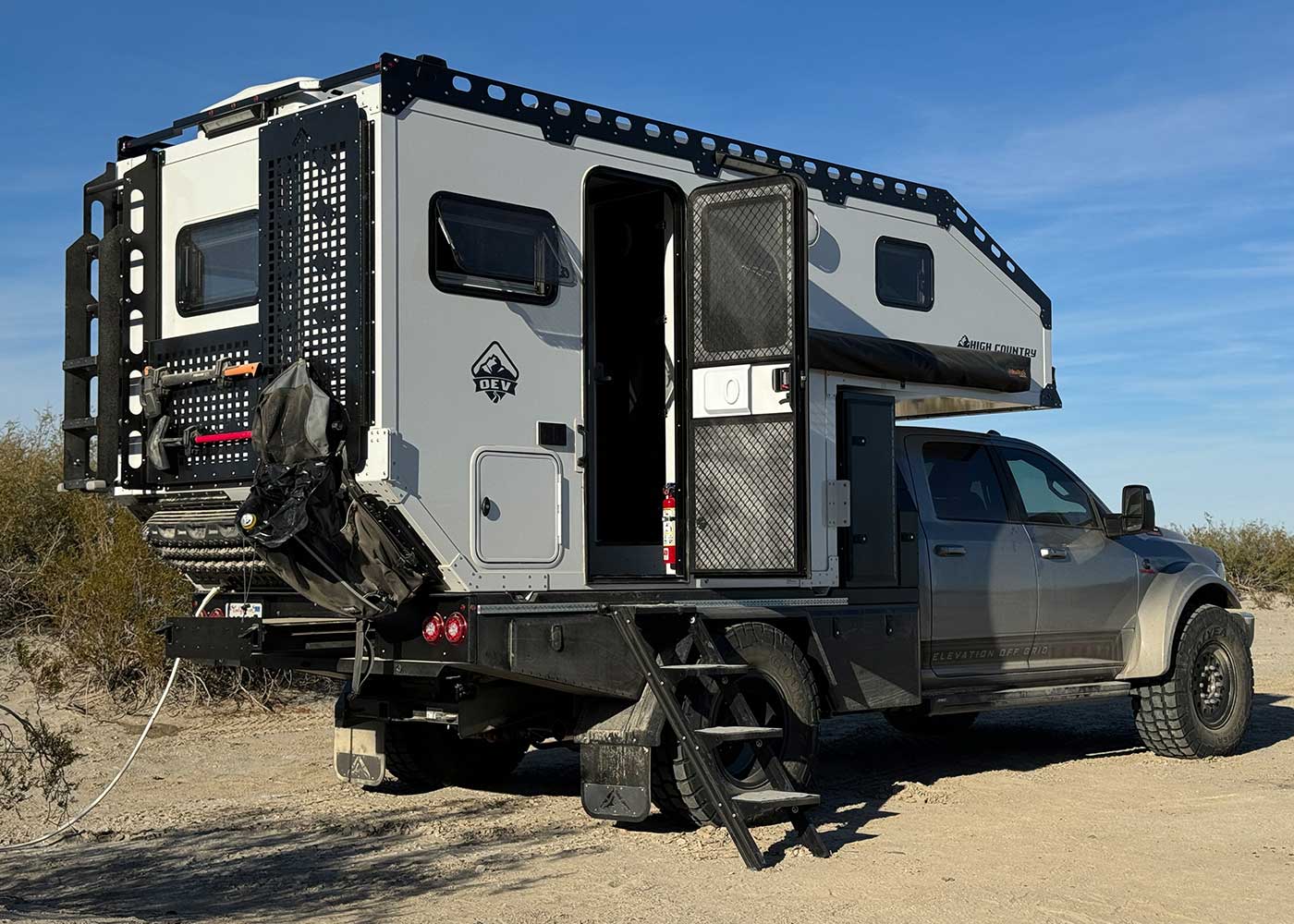
Creating a comfortable sanctuary in off-grid environments begins with a fundamental reassessment of vehicle load capacity. Extended journeys inevitably lead to an accumulation of gear, making efficient space utilization the primary challenge. The modern solution lies in the vertical integration of storage through advanced rack systems. Contemporary market trends favor lightweight yet high-strength aluminum or steel crossbar systems. These are not merely for securing cargo; they serve as the critical infrastructure for heavy-duty equipment mounted above the vehicle.
When selecting a rack, the distinction between static and dynamic load ratings is paramount. A rack must support the immense weight of occupants and shelter while stationary (static load), but must also withstand the intense vibrations and wind resistance encountered while driving (dynamic load). High-quality systems are engineered to handle hundreds of pounds of dynamic stress and significantly more when parked, providing peace of mind during sleep. Furthermore, for pickup-style vehicles, the integration of racks with tonneau covers has revolutionized storage. By creating a "two-story" architecture, travelers can protect sensitive electronics and food from the elements in the bed, while mounting bulky, dirty gear or shelters overhead. This separation ensures that utility does not compromise livability.
| Feature | Hard-Shell Rooftop Shelter | Soft-Shell Rooftop Shelter | Bed-Integrated Cap/Shell |
|---|---|---|---|
| Setup Speed | Fastest (30-60 seconds) - Ideal for daily movers. | Moderate (5-10 minutes) - Requires more manual unfolding. | Instant - Always ready, no setup required. |
| Durability | High - Fiberglass or aluminum shell protects fabric. | Medium - Vinyl cover protects it, but fabric is less insulated. | High - Rigid structure offers best protection. |
| Profile | Aerodynamic and slim, minimal fuel drag. | Boxy and taller when packed, increased wind resistance. | Streamlined with vehicle body lines. |
| Best Use | High-pace travel, frequent campsite changes. | Budget-conscious builds, maximizing sleeping footprint. | Stealth camping, extreme weather protection. |
Elevating the Sleeping Experience
Once the structural foundation is secure, the focus shifts to the shelter itself. For those seeking to venture deep into the wilderness, hard-shell sleeping units have become a preferred choice. The primary advantage of these systems is rapid deployment; after a long day of navigating difficult terrain, the ability to secure a sleeping space in under a minute is invaluable. Unlike ground tents, these elevated sanctuaries provide a flat, consistent surface regardless of the rocky or muddy terrain below.
Beyond convenience, elevation offers a psychological and physical safety barrier. Sleeping above ground level isolates travelers from ground-dwelling insects, wildlife, and moisture, while also capturing better airflow. Many modern units come equipped with high-density foam mattresses and insulated linings, rivalling the comfort of a home bedroom. This setup transforms a standard vehicle into an "expeditionary module," allowing access to scenic overlooks that are inaccessible to traditional RVs. By combining a robust rack with a quick-deploy shelter, the vehicle becomes a self-contained unit capable of sustaining comfortable travel indefinitely.
Sustainable Resources and Comfort Systems
Silent Power and Climate Control
In remote locations, energy independence is the linchpin of modern exploration. The reliance on noisy, fuel-hungry generators is fading in favor of sophisticated battery technology and solar integration. Lithium iron phosphate (LiFePO4) batteries have revolutionized onboard power, offering rapid charging, deep discharge capabilities, and significant weight savings. When paired with high-efficiency solar panels mounted on the roof, these systems act as a silent power plant, keeping essential devices charged without disturbing the serenity of nature.
This leap in energy storage has enabled a new era of climate control. It is now feasible to run highly efficient 12-volt air conditioning units directly from the battery bank, allowing travelers to sleep comfortably even in sweltering heat. Conversely, for cold-weather expeditions, hydronic heating systems that circulate hot fluid provide quiet, dry heat that eliminates the condensation issues common with propane heaters. These systems often integrate with the vehicle's mechanics or stand alone, ensuring that the interior environment remains a haven of comfort regardless of external conditions.
Innovative Water Storage Solutions
Water is the heaviest and most vital resource to carry, often creating a logistical puzzle. Traditional jerry cans consume valuable interior space, prompting the development of vehicle-specific water storage solutions that utilize "dead space." A prime example is the toroidal (donut-shaped) tank designed to fit within the spare tire void underneath the vehicle or on a rear carrier. This innovation allows travelers to carry several gallons of water in a space that is otherwise composed of air, without affecting the vehicle's departure angle or interior cargo volume.
Another area of innovation involves wheel-well tanks. These containers are molded to curve around the interior wheel arches of a truck bed, reclaiming the awkward gaps that usually form when packing square boxes. By placing water low and centered, the vehicle's center of gravity is kept in check, which is crucial for stability on uneven trails. Safety is also a priority; high-quality tanks are manufactured from BPA-free, food-grade polyethylene with UV stabilization to prevent water degradation. Many systems now feature integrated pumps and quick-connect hoses, transforming the water storage into a pressurized system for showers or washing dishes, effectively bringing plumbing to the backcountry.
Terrain Mastery and Restorative Rest
Traction, Suspension, and Recovery
No amount of comfort matters if the vehicle cannot reach the destination or return safely. The connection to the ground is dictated by tire selection; aggressive all-terrain tires with a high load index are non-negotiable for serious travel. They provide the necessary grip on loose gravel and mud while resisting punctures from sharp rocks. However, even the best tires have limits. A comprehensive recovery kit—including traction boards, a kinetic recovery rope, and a winch—acts as an essential insurance policy. These tools empower travelers to explore confidently, knowing they have the means to self-rescue from soft sand or mud.
Suspension upgrades are equally critical, not just for lift, but for load management. Stock suspension is rarely designed to handle the constant weight of camping modifications and gear. specialized shock absorbers and heavy-duty springs help dampen the harsh impacts of corrugated roads, preventing driver fatigue and protecting the vehicle frame. Furthermore, modern traction control systems and automated terrain response modes can assist in maintaining momentum. Understanding how to modulate tire pressure and utilize these electronic aids is key to navigating technical terrain without damaging the environment or the machine.
| Scenario / Terrain | Primary Gear Requirement | Action / Usage Tip |
|---|---|---|
| Soft Sand / Dune | Traction Boards & Tire Deflator | Lower tire pressure significantly (e.g., 15-20 psi) to float; use boards to ramp out if dug in. |
| Deep Mud | Winches & Kinetic Rope | Momentum is key; if stuck, a winch is the most reliable extraction method. Avoid spinning tires. |
| Rocky Trails | Rock Sliders & Spotter | Protect rocker panels from impact. Move slowly; precise wheel placement is more important than power. |
| General Exploration | Air Compressor & Basic Tool Kit | Always reinflate tires before returning to pavement to prevent overheating and blowout. |
Engineering the Perfect Sleep
The sustainability of any trip is directly correlated to sleep quality. In the context of truck bed camping, the intrusion of wheel wells often makes creating a flat sleeping surface difficult. The market has responded with custom-shaped air mattresses and platform systems designed to contour perfectly around these obstacles. These aren't standard pool floats; they are durable, insulated sleep systems designed to withstand abrasion and cold temperatures.
For those building out the interior of an SUV or using a truck cap, modular platform systems are gaining popularity. These kits level the rear cargo area, compensating for the slope of folded seats, and create a cavernous storage area underneath for gear. This separation of sleeping and storage space is vital for mental clarity and organization. Coupled with high-quality insulation and window coverings to block morning light and retain heat, these setups ensure that adventurers wake up refreshed. Investing in the sleep system is investing in the longevity of the adventure itself, turning a grueling trek into a rejuvenating escape.
Q&A
-
What are the advantages of using truck bed campers for overlanding?
Truck bed campers offer several benefits for overlanding enthusiasts. They provide a compact and efficient way to camp, allowing you to utilize the space in your truck bed without towing an additional trailer. These campers often come equipped with essential amenities like sleeping quarters, cooking facilities, and sometimes even bathrooms, making them ideal for long-term travel. Their design is typically robust, offering protection from harsh weather conditions and providing a comfortable living space.
-
How can one optimize an overlanding truck build for extended trips?
To optimize an overlanding truck build for extended trips, it's crucial to focus on durability and functionality. Begin by reinforcing the suspension and installing all-terrain tires to handle rough terrains. Consider adding a canopy or hard shell to protect your gear from the elements. Inside, install modular storage systems to organize equipment efficiently. Integrating off-road lighting and upgrading to a reliable power system will ensure you can handle night driving and power your devices without issues.
-
What factors should be considered when choosing rooftop tents for trucks?
When selecting rooftop tents for trucks, consider the weight capacity of your vehicle's roof and ensure it can support the tent and occupants. Look for tents made with durable, weather-resistant materials and easy setup mechanisms. Consider the size and sleeping capacity to match your needs. Ventilation and insulation are also important for comfort in various weather conditions. Additionally, think about the ease of access and any additional features like annexes or awnings that can enhance your camping experience.
-
What are the best power systems for truck camping, and how do they work?
The best power systems for truck camping typically include solar panels, dual battery setups, and inverters. Solar panels harness sunlight to charge batteries, providing a renewable energy source for running appliances and lighting. A dual battery system ensures you have a dedicated battery for camping needs, separate from the vehicle's starter battery, preventing drainage. Inverters convert battery power into usable AC power for household devices. These systems can be customized based on your power requirements and the duration of your trips.
-
Why is water storage crucial for overlanding, and what are some effective solutions?
Water storage is crucial for overlanding as it ensures you have a reliable supply for drinking, cooking, and cleaning, especially in remote areas where water sources may be scarce. Effective solutions include portable water tanks or bladders that can be easily refilled and stored. Consider using gravity-fed or pump systems for ease of use. It's also beneficial to have water purification systems in place to ensure safe drinking water from natural sources. Properly managing your water supply can significantly enhance the comfort and safety of your overlanding experience.