
The Pillars of Engineering and Specification
The Role of Reliability and Practical Configuration
When dissecting the elements that bolster an SUV's residual worth, the conversation inevitably begins with reputation and reliability. In the automotive world, specific manufacturers and models have cultivated an image of indestructibility that serves as a financial anchor. For SUVs, which are frequently tasked with family road trips, towing duties, or off-road excursions, the "fear of failure" is a significant psychological driver for buyers. Consequently, models known for mechanical longevity—those that can cross high-mileage thresholds without catastrophic engine or transmission failures—command a premium. This is not merely about brand prestige; it is a calculation of future utility. A vehicle that is perceived as a "durable tool" rather than a "delicate accessory" will always have a floor price beneath which it rarely falls.
Beyond the mechanical integrity, the practical configuration of the vehicle plays a massive role in its desirability on the secondary market. Maintenance costs and the availability of spare parts are critical components of this equation. An SUV that is affordable to service and easy to repair attracts a wider pool of second-hand buyers, increasing demand and buoying the price. Conversely, vehicles that require specialized, expensive labor or rare parts often see their values plummet once the factory warranty expires. The market effectively punishes complexity that does not add tangible long-term value. Therefore, "peace of mind" is a tangible asset; the assurance that the vehicle will start every morning and cost pennies to run compared to its competitors is the strongest foundation for high resale value.
Aesthetics and the Impact of Universal Appeal
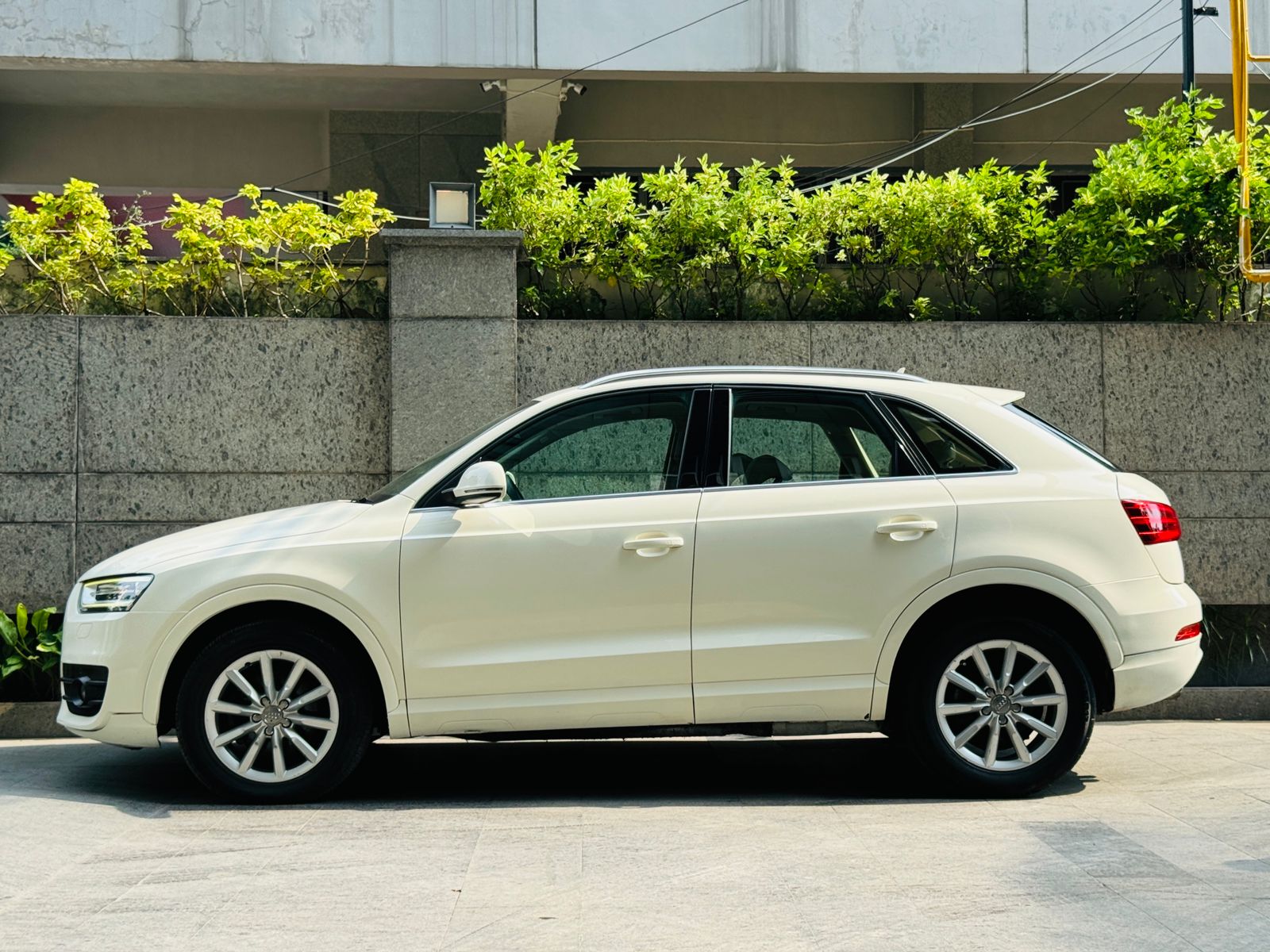
While mechanical reliability forms the backbone of value, the vehicle's specification—specifically color and trim—determines the liquidity of the asset. The "demand heat" for a vehicle is often dictated by how universally acceptable its aesthetics are. While a bright "sunset orange" or "lime green" might appeal to a specific individual's taste at the showroom, these polarizing colors can severely restrict the pool of potential buyers five years down the line. To sell a uniquely colored car, you must find the one person who wants that exact combination. In contrast, neutral tones such as white, black, silver, and grey act as a blank canvas that appeals to the vast majority of the market. These colors do not offend; they are safe bets that ensure the vehicle can be sold quickly and for a stable price.
The level of equipment, or "trim," works in a similar fashion. There is a "sweet spot" in vehicle specifications that maximizes return on investment. Base models often lack the essential features that second-hand buyers expect, such as heated seats, smartphone integration, or advanced safety suites, making them harder to sell. On the other end of the spectrum, fully loaded top-tier trims often suffer from heavy depreciation because the second-hand market is rarely willing to pay for every niche gadget or premium leather upgrade. The middle-to-high trims, which bundle popular comfort and safety features without venturing into excessive luxury pricing, tend to hold their percentage of value best.
This concept extends to the interior condition and satisfaction. Modern buyers are discerning; they look for a balance of durability and comfort. An interior that utilizes high-quality materials that resist wear and tear will look significantly better after five years than one filled with cheap plastics that scratch easily. Since the interior is where the owner spends all their time, a cabin that feels fresh and solid directly translates to a higher willingness to pay. Ultimately, understanding the "common denominator" of market taste—choosing specs that the next owner will likely want, rather than just what you want—is a strategic move in asset management.
| Feature Category | High Value Retention Traits | Potential Depreciation Risks |
|---|---|---|
| Exterior Color | White, Black, Silver, Grey (Universal appeal) | Yellow, Orange, Purple, Matte finishes (Polarizing) |
| Drivetrain | 4WD / AWD (Perceived capability & safety) | 2WD / FWD (Limited utility perception) |
| Equipment Trim | Mid-range with "Must-Have" Tech (Safety/Connectivity) | Base models (Stripped) or Ultra-Luxury (Overpriced tech) |
| Interior Material | Durable synthetics or dark leathers (Wear resistant) | Light-colored fabrics or delicate alcantara (Shows dirt) |
The Nuance of Mileage and Condition
Decoding the Odometer and Market Psychology
In the realm of used SUVs, the odometer reading is often the first filter buyers apply, but its relationship to price is not linear—it is psychological and curved. The "mileage penalty" varies drastically depending on the vehicle class. For rugged, body-on-frame SUVs known for longevity, a reading of 100,000 miles might barely dent buyer confidence. The market assumes these engines are just getting started. However, for high-performance or luxury SUVs laden with complex electronics and air suspension systems, that same mileage can cause the value to fall off a cliff. This is because the market anticipates expensive repairs. The first few years of ownership typically see the steepest drop, as the vehicle transitions from "new" to "used," but the subsequent depreciation is dictated by how much "life" the market believes is left in the car.
An interesting phenomenon occurs with "low mileage" older vehicles—the so-called "garage queens." While generally, low mileage commands a premium, there is a nuance. A ten-year-old SUV with extremely low miles disrupts standard depreciation algorithms. For collectors or specific enthusiasts, these cars are time capsules and can sell for prices near their original MSRP. However, for a daily driver, extreme low mileage on an older car can sometimes signal "lot rot"—dried seals, flat-spotted tires, and stale fluids. Conversely, a newer car with very high highway miles might actually be in better mechanical shape than a city-driven car with half the distance, yet the market will almost always punish the high-mileage newer car more severely. This discrepancy creates opportunities for savvy buyers who can look past the number and assess the actual wear.
The Financial Power of Maintenance History
While the odometer provides a quantitative measure of use, the maintenance history provides the qualitative context that can override raw numbers. In the second-hand market, "trust" is the most expensive commodity. A seller who can produce a thick binder of receipts detailing every oil change, fluid flush, and preventative repair is effectively proving that the vehicle was loved rather than neglected. This documentation serves as a "resume" for the car. It shifts the power dynamic; the seller is no longer asking the buyer to take a gamble but is offering a verified product. Consequently, vehicles with complete service records consistently sell faster and for higher prices than identical vehicles with mystery histories.
This aspect is particularly crucial for SUVs, which are often subjected to harsher usage than sedans. Buyers are wary of hidden abuse—towing heavy loads without transmission coolers, off-roading that damaged the suspension, or skipped differentials fluid changes. A documented history alleviates these fears. It signals to the buyer that the previous owner understood the machine and invested in its longevity. This "pedigree" becomes a tangible value proposition. In a market flooded with off-lease vehicles that may have only received the bare minimum factory maintenance, a privately owned SUV with over-and-above care stands out as a premium offering.
Market Dynamics and Strategic Timing
Supply, Demand, and Inventory Turnover
The economic principle of supply and demand is the invisible hand guiding SUV pricing. No matter how pristine a vehicle is, its value is capped if the market is flooded with identical models. This is often seen when rental fleets liquidate their inventory or when a popular three-year lease cycle ends, dumping thousands of the same model onto the used market simultaneously. This oversupply forces sellers to compete on price, driving down the overall market value for that specific model. Conversely, models with limited production runs or those that have been discontinued but retain a cult following often see their values stabilize or even appreciate.
One of the most telling metrics for assessing this dynamic is "days on market" or inventory turnover. This data point reveals the liquidity of a specific model. If a certain SUV sells within days of being listed, it indicates a "hot" market where demand outstrips supply. In this environment, depreciation slows down because buyers are competing for the car. High-turnover models are safe places to park money because they ensure an easy exit strategy. If you need to sell, you know there is a line of buyers waiting. On the other hand, a model that sits on dealer lots for months suggests weak demand. These "slow movers" are dangerous buys if you care about resale value, as you will likely have to offer a deep discount to convince someone to take it off your hands when you eventually sell.
It is also vital to observe the "heat" of specific segments. Currently, compact and midsize crossovers are the bread and butter of the industry. They offer the utility families need with the fuel economy of a sedan. Because this segment addresses the widest demographic of needs, demand is perpetual. Large, gas-guzzling luxury SUVs, while impressive, appeal to a shrinking demographic as fuel prices and environmental concerns fluctuate. Therefore, the "mass market" appeal of the midsize segment acts as a safety net for value, ensuring that there is always a steady stream of second and third owners entering the market.
| Market Indicator | Positive Signal for Resale Value | Negative Signal for Resale Value |
|---|---|---|
| Inventory Turnover | Low "Days on Market" (Sells quickly) | High "Days on Market" (Stagnant inventory) |
| Market Supply | Limited availability / production constraints | Fleet dumping / Lease returns flooding market |
| Financial Support | Low interest rates / Strong CPO programs | High rates / lack of manufacturer support |
| Segment Trends | Compact/Midsize Crossover (High utility) | Niche Luxury or Oversized/Inefficient models |
Interest Rates and Certified Programs as Indicators
A sophisticated way to gauge the projected value of an SUV is to look at how financial institutions and manufacturers treat it. Low-interest rate offers and robust Certified Pre-Owned (CPO) programs are not just marketing gimmicks; they are expressions of confidence. Banks and captive lenders are risk-averse. If they offer a low Annual Percentage Rate (APR) on a specific used model, it implies their data predicts stable asset values. They are confident the car will not depreciate faster than the loan balance. Similarly, a rigorous CPO program adds value by effectively extending the warranty and ensuring the car meets strict standards. A CPO badge acts as a seal of approval that justifies a higher price tag and distinguishes the vehicle from the general "as-is" population.
Q&A
-
What is Depreciation Rate Analysis in the context of used SUVs?
Depreciation Rate Analysis involves evaluating how quickly a used SUV loses its value over time. This analysis considers factors such as brand reputation, market trends, and vehicle demand. Understanding depreciation helps buyers and sellers make informed decisions about the timing of purchases or sales to optimize financial outcomes.
-
How does Brand Value Retention affect the resale price of a used SUV?
Brand Value Retention refers to the ability of a brand to maintain its value over time. In the used SUV market, vehicles from brands with strong value retention typically sell at higher prices due to perceived reliability and desirability. This factor is crucial for buyers looking for long-term value and for sellers aiming to maximize returns.
-
In what ways does Market Demand Influence used SUV pricing?
Market Demand Influence affects used SUV pricing by dictating how much consumers are willing to pay. High demand for specific models or features can drive up prices, while a decrease in demand can lead to lower prices. Seasonal trends, economic conditions, and consumer preferences all play a role in shaping demand.
-
How does Vehicle Condition Impact the pricing of a used SUV?
Vehicle Condition Impact is significant in determining the price of a used SUV. Well-maintained vehicles with minimal wear and tear, complete service records, and no accident history usually command higher prices. Conversely, SUVs in poor condition may require repairs or present risks, leading to lower market values.
-
Why is Mileage Sensitivity important when evaluating used SUVs?
Mileage Sensitivity is crucial because it reflects the extent of use and potential wear on a vehicle. Buyers often prefer SUVs with lower mileage as they are likely to have a longer remaining lifespan and fewer mechanical issues. This sensitivity to mileage directly influences pricing, with lower mileage vehicles typically priced higher.