
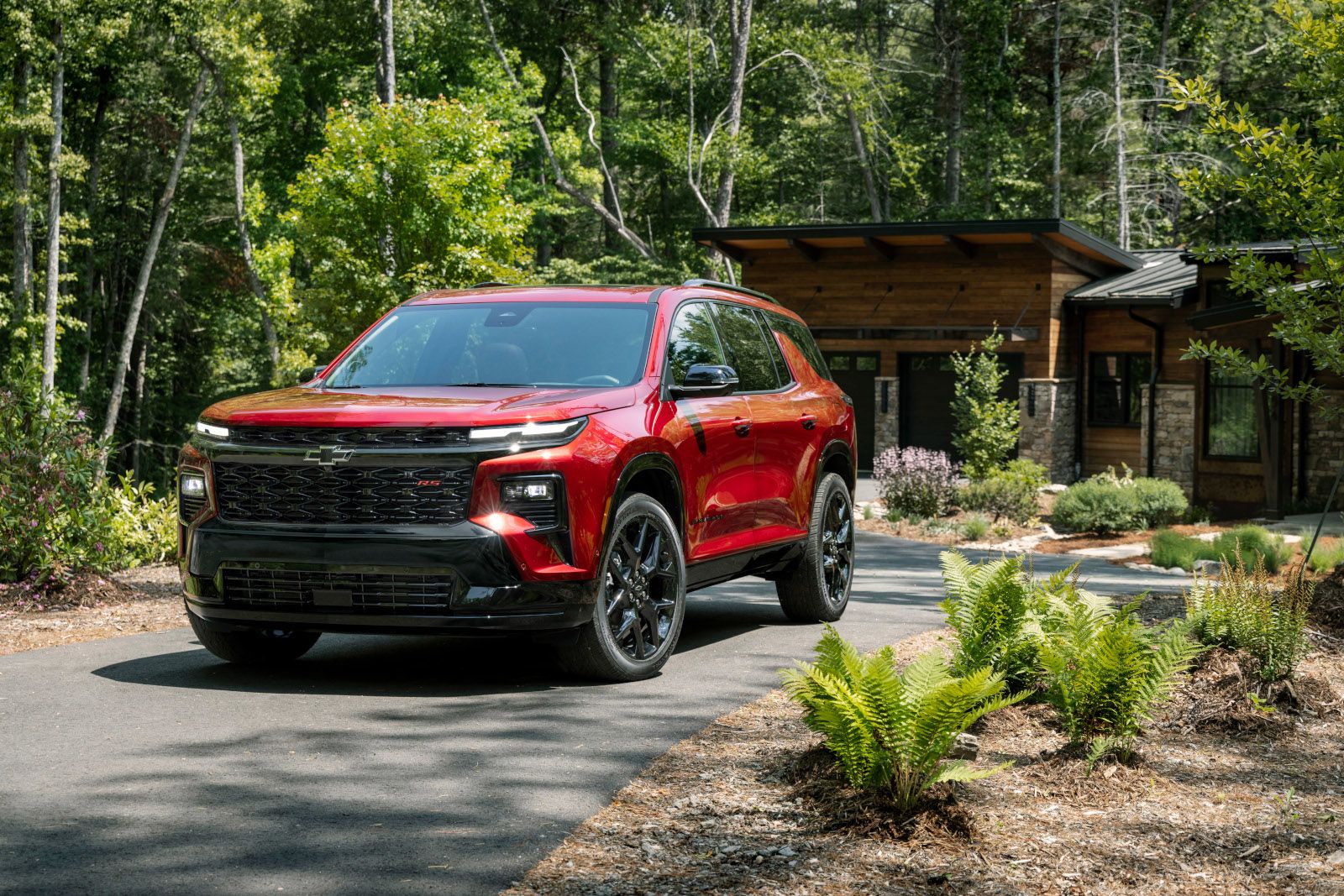
Redefining Structure: The Science of Weight and Air
The Evolution of Materials and Aerodynamics
For decades, the prevailing image of a Sports Utility Vehicle was that of a heavy, boxy fortress—secure, certainly, but notoriously thirsty for fuel. However, a quiet revolution in manufacturing has fundamentally altered this reality. The most significant leap forward comes from Lightweight Material Use. Engineers have moved away from relying solely on heavy steel frames, pivoting instead toward advanced aluminum alloys, high-tensile steel, and specialized resins. This is not merely about making the vehicle lighter; it is about "dieting" the car to create a more athletic physique. Just as a runner requires less energy to sprint when they are lean, a lighter vehicle demands significantly less fuel to accelerate, drastically reducing the burden on the engine without compromising structural rigidity or passenger safety.
This physical transformation goes hand-in-hand with aerodynamic refinements. The days of the "brick on wheels" are fading as designers embrace fluid dynamics to improve Fuel Consumption Metrics. Modern SUVs feature carefully sculpted lines that do more than look good—they manage airflow. From the angle of the windshield to the smoothing of the undercarriage, every curve is calculated to slice through the air with minimal resistance. This reduces the drag coefficient, allowing the vehicle to maintain highway speeds with a fraction of the power previously required.
Inside the cabin, this philosophy of "functional lightness" continues. Seat frames are redesigned to be thinner yet stronger, and sound-deadening materials are now more effective despite weighing less. This holistic approach creates a virtuous cycle: a lighter body allows for smaller brakes and suspension components, further reducing weight. The result is a vehicle that feels substantial and safe but moves with an unexpected agility, laying the groundwork for impressive efficiency numbers that were once thought impossible for this vehicle class.
| Feature Category | Traditional Approach | Modern Efficiency Approach |
|---|---|---|
| Body Composition | Heavy steel usage for perceived safety | Aluminum and high-tensile steel for strength-to-weight ratio |
| Exterior Shape | Boxy, upright stance causing high drag | Streamlined, coupe-like profiles to reduce wind resistance |
| Underbody | Exposed mechanical components | Flat paneling to smooth airflow beneath the car |
| Cabin Materials | Dense, heavy padding and frames | Advanced, lightweight composites and minimal structures |
The Powertrain Revolution
Mastering Power with Smaller Engines and Hybrids
The heart of the modern SUV has undergone a dramatic transplant. The old adage "there is no replacement for displacement" has been effectively disproven by modern Engine Downsizing Strategies. Manufacturers are swapping out massive V6 and V8 engines for compact, four-cylinder units equipped with advanced turbochargers and direct injection technology. These smaller powerplants are lighter, which improves handling by reducing weight over the front axle, but more importantly, they are tuned to deliver high torque at low RPMs. This means that for the daily grind—accelerating from stoplights or climbing onramps—these downsized engines feel punchier and more responsive than their larger predecessors.
However, mechanical engineering is only half the story. The integration of electric power has been a game-changer. Hybrid Efficiency Gains are particularly noticeable in heavier vehicles. By sandwiching an electric motor between the engine and transmission, or placing motors on the axles, SUVs can now perform the most energy-intensive tasks—such as accelerating from a dead stop—using electricity alone. This relieves the gasoline engine of its most inefficient burden.
Furthermore, packaging issues that once plagued hybrids, such as batteries eating up cargo space, have been resolved. Slimmer battery packs are now located under seats or the floor, lowering the center of gravity and actually improving stability. This blend of gasoline and electric power creates a harmony where the engine can shut off entirely during coasting or low-speed cruising, offering a silent, vibration-free experience that feels premium while sipping fuel. The synergy between the combustion engine and the electric motor ensures that drivers no longer have to choose between the utility of an SUV and the economy of a compact car.
Intelligent Systems and Future Impact
Smart Driving Modes and Emission Controls
Beyond the hardware, the software controlling modern SUVs plays a pivotal role in conservation. Drivers now have access to sophisticated Driving Mode Optimization systems that actively manage how the vehicle consumes energy. When a driver selects "Eco" mode, the vehicle doesn't just feel different; it fundamentally changes its behavior. Throttle response is softened to prevent wasteful jack-rabbit starts, and the transmission shifts earlier to keep engine revolutions low. Climate control systems may also dial back their intensity slightly to reduce load on the engine.
Some advanced systems even feature "coasting" technology. When the driver lifts off the accelerator on a highway, the transmission decouples the engine from the wheels, allowing the car to glide effortlessly without engine braking slowing it down, thereby maximizing momentum. These micro-efficiencies, when accumulated over a long trip, result in significant savings.
This intelligence extends to Emission Reduction Techniques. Modern vehicles monitor exhaust and catalytic converter temperatures to ensure pollutants are neutralized efficiently. Moreover, the economic argument for these technologies is becoming undeniable. While the upfront cost of a tech-heavy SUV might be slightly higher, the Total Cost of Ownership (TCO) is often lower due to reduced fuel spending and high resale value. As regulations tighten and "green highways" become a concept of the future, these intelligent SUVs are bridging the gap, proving that environmental responsibility can coexist with the versatility and comfort that families demand.
| Driving Scenario | Recommended Mode | System Behavior |
|---|---|---|
| City Traffic | Eco / Hybrid | Prioritizes electric motor usage; softened throttle response to save fuel during stop-and-go. |
| Highway Cruising | Normal / Comfort | Balances power for passing with efficiency; enables "coasting" features if available. |
| Mountain/Hills | Sport / Power | Holds gears longer for better uphill power and utilizes engine braking on descents. |
| Slippery Roads | Snow / Traction | Adjusts torque distribution to prevent wheel spin, indirectly saving fuel by reducing wasted energy. |
Q&A
-
What are some key benefits of engine downsizing strategies in modern vehicles?
Engine downsizing strategies involve reducing the engine's size while maintaining power output through technologies such as turbocharging. This approach can lead to improved fuel efficiency, reduced emissions, and lower manufacturing costs. Additionally, smaller engines often weigh less, contributing to overall vehicle weight reduction and further enhancing fuel economy.
-
How does the use of lightweight materials contribute to fuel consumption metrics in vehicles?
The use of lightweight materials, such as aluminum, carbon fiber, and high-strength steel, reduces the overall weight of a vehicle. This reduction in weight decreases the amount of energy required to move the vehicle, thereby improving fuel consumption metrics. Lighter vehicles also experience less strain on engines and brakes, enhancing performance and longevity.
-
In what ways can hybrid efficiency gains be maximized in vehicles?
Hybrid efficiency gains can be maximized through several methods, including the optimization of regenerative braking systems, which recover energy during braking to recharge the battery. Additionally, improving battery technology and integrating advanced power management systems can enhance overall hybrid efficiency by ensuring that the vehicle operates using the most efficient power source for given conditions.
-
What is driving mode optimization, and how does it impact fuel consumption and emissions?
Driving mode optimization refers to the ability of a vehicle to adapt its performance settings based on driving conditions and driver preferences. By selecting modes such as eco, sport, or normal, the vehicle can adjust engine response, transmission shift points, and other factors to optimize fuel consumption and emissions. For instance, in eco mode, the vehicle may prioritize fuel efficiency over performance, resulting in lower fuel usage and reduced emissions.
-
What are some effective emission reduction techniques used in modern automotive engineering?
Modern automotive engineering employs various emission reduction techniques, such as the use of catalytic converters that transform harmful gases into less harmful emissions. Other techniques include exhaust gas recirculation (EGR) systems, which reduce nitrogen oxide emissions, and selective catalytic reduction (SCR) systems, which use a urea-based solution to convert nitrogen oxides into nitrogen and water vapor. These technologies, combined with advancements in fuel injection and combustion efficiency, significantly lower the environmental impact of vehicles.