
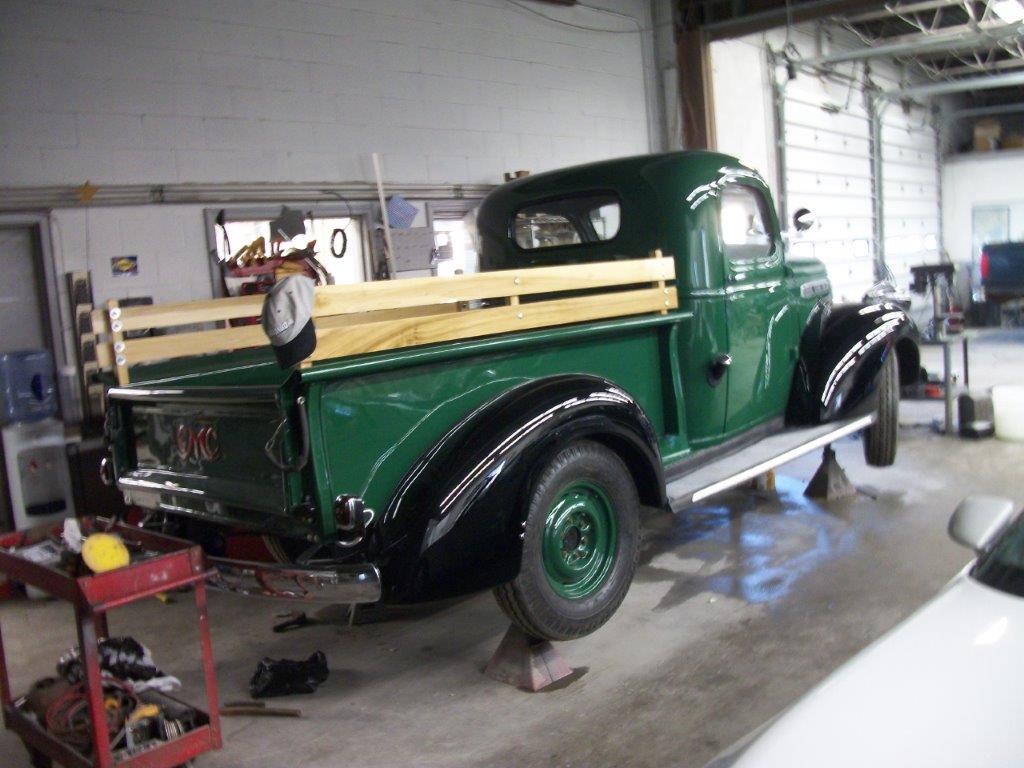
Building a Solid Foundation for Timeless Performance
Resurrecting the Backbone of History
In the world of automotive restoration, the frame is often the unsung hero. While a gleaming exterior catches the eye, it is the chassis that dictates the vehicle's longevity and safety. Restoring the frame is arguably the most critical phase of any project, serving as the literal spine of the truck. Over decades of utility and exposure to the elements, these metal structures often suffer from invisible fatigue, stress cracks, and deep-seated corrosion. A comprehensive restoration typically begins with a "frame-off" process, where the body is completely separated from the chassis. This labor-intensive step is non-negotiable for high-end builds, as it exposes every inch of the metal for inspection and repair.
Once the frame is isolated, the transformation begins with aggressive cleaning methods, such as media blasting or sandblasting. This strips away generations of road grime, grease, and rust, revealing the raw steel beneath. It is at this stage that the true condition of the truck is revealed. Critical areas, particularly around suspension mounts and engine cradles, must be scrutinized for structural weakness caused by years of heavy lifting and vibration. If compromises are found, precision welding and reinforcement plates are employed to restore—and often exceed—factory strength specifications.
Following structural repairs, the focus shifts to preservation. Owners face a pivotal decision between traditional aesthetics and modern durability. While some purists opt for period-correct chassis black paint to mimic the assembly line look of the mid-20th century, many are turning to powder coating. This modern technique offers a thicker, more resilient barrier against stone chips and road salt, ensuring the undercarriage remains pristine for decades. Whichever path is chosen, a meticulously finished frame is a point of pride. It may be hidden from view, but knowing that the vehicle is built on a flawless, protected foundation provides peace of mind every time the engine roars to life.
| Feature Comparison | Powder Coating | Traditional Chassis Paint |
|---|---|---|
| Durability | Extremely high; resistant to chipping and chemicals. | Moderate; can chip over time but easier to touch up. |
| Finish Consistency | Uniform, thick coverage that hides minor pitting. | Thinner layer, revealing more surface texture. |
| Application Process | Requires electrostatic spray and oven curing (professional only). | Can be sprayed or brushed (DIY friendly). |
| Corrosion Resistance | Seals metal completely from moisture/oxygen. | Good, but requires regular inspection and maintenance. |
| Best Use Case | complete frame-off restorations for longevity. | Spot repairs or 100% factory-correct show builds. |
The Heart of the Beast: Balancing Power and Heritage
Revitalizing the engine of a vintage truck is more than a mechanical repair; it is an act of rekindling the vehicle's soul. The engine is the source of the truck's character, delivering the unique vibrations, sounds, and torque curves that define the driving experience. A common dilemma for enthusiasts is deciding whether to preserve the historical significance of the original powertrain or to swap it for a modern unit that offers reliability and efficiency. However, recent advancements in machining and parts availability have bridged this gap, allowing for a "best of both worlds" approach where original architecture is retained but reliability is modernized.
The process of overhauling a vintage engine involves a deep dive into its internal components. By utilizing high-quality rebuilding kits designed specifically for legacy models, restorers can maintain the authentic external appearance while upgrading the internals. Modern piston rings, precision-machined valves, and advanced gasket materials allow these older engines to seal better and run cleaner than they ever did when new. This approach eliminates many of the notorious leaks and reliability issues associated with old iron, without sacrificing the nostalgic thrum that makes driving a classic so engaging.
Furthermore, the environment surrounding the engine is just as important as the block itself. A pristine engine bay requires attention to the firewall and inner fenders, ensuring they are free from corrosion and properly finished. This not only improves aesthetics but protects the mechanical components from heat and road debris. Sticking with the original engine configuration, when done correctly, serves as a significant anchor for the vehicle's provenance. It demonstrates a commitment to history while acknowledging the need for functional reliability. Ultimately, the goal is to create a powertrain that honors the truck's working-class roots while providing the confidence to embark on long-distance cruises without hesitation.
The Pursuit of Perfection in Metal and Components
The Scavenger Hunt for Authentic Components
One of the most challenging aspects of reviving a classic workhorse is sourcing parts that meet the rigid standards of the original manufacturer. Unlike modern vehicles where replacements are a click away, finding specific components for a truck from the 1960s or 70s requires patience and expertise. This is particularly true for suspension and steering elements, such as upper control arms or specific linkages. These parts dictate the "road feel" of the truck. relying on generic, one-size-fits-all aftermarket replacements often leads to geometry issues or safety compromises, as they may lack the specific tensile strength or dimensional accuracy of the original design.
Beyond mechanical parts, the battle against body decay is constant. Trunk floor pans and lower cab corners are notorious rust traps. For a restoration to reach a showroom quality, patching these areas with generic sheet metal is often insufficient. Enthusiasts frequently search for "New Old Stock" (NOS) or high-grade reproduction panels that match the exact gauge and stamping of the factory metal. These correct panels are considered "gold mines" within the community because they ensure proper fitment without requiring excessive body filler or modification. Using accurate panels maintains the structural rigidity of the cab and bed, preserving the truck's integrity.
The logistics of acquiring these rare items add another layer of complexity. Once a rare fender or a pristine piece of trim is located, transporting it safely becomes a priority. High-value, fragile components often require specialized shipping solutions, such as crating or enclosed transport, to prevent damage during transit. The same applies to the vehicle itself; moving a freshly painted body requires enclosed carriers to protect it from road debris. Investing in professional logistics and insurance is not an extravagance but a necessary risk management strategy. It ensures that the "treasure" hunted down with such effort arrives ready to be installed, maintaining the momentum of the restoration project.
From Raw Metal to Mirror Finish
Paint and bodywork represent the most visible transformation in the restoration lifecycle, yet the glossy final product is merely the tip of the iceberg. The journey to a flawless finish begins with the grueling, unglamorous work of preparation. Decades of exposure often leave these trucks with layers of oxidized paint, surface rust, and battle scars from their working lives. Stripping the body down to bare metal is the only way to ensure a stable substrate. This process involves hours of sanding and chemical stripping to remove every trace of corrosion, as even microscopic rust left beneath the surface will eventually bubble up and ruin the finish.
Once the metal is naked and repaired, the process of building the surface begins. High-quality epoxy primers are applied to seal the metal and provide a foundation for body smoothing. This is followed by "blocking," a technique where the primer is hand-sanded with long blocks to identify and level out even the slightest waves or imperfections in the panels. This stage can be repeated multiple times until the body is perfectly straight. It is a test of patience, but it is this underlying perfection that distinguishes a high-end restoration from a quick respray.
The final painting stage is where technical skill meets artistry. Applying base coats followed by clear coats requires a dust-free environment and a steady hand. The choice of color often leans towards factory-correct hues to maintain value, though modern paint technologies offer far greater depth and UV resistance than the enamels of the past. After the paint cures, the process concludes with color sanding and buffing, cutting the clear coat to remove texture and achieve a liquid-like mirror reflection. Seeing a once-battered utility vehicle gleam under the lights is the ultimate reward, turning a piece of agricultural machinery into a stunning work of rolling art.
Interior Refinement and Financial Appreciation
Recapturing the Cabin’s Spirit
The interior of a classic truck is where the driver connects with the machine, making its restoration vital for the overall ownership experience. Over time, heat and humidity wreak havoc on soft materials, leading to sagging headliners, cracked dashes, and torn upholstery. To achieve a "factory-fresh" atmosphere, attention to texture and material accuracy is paramount. For instance, replacing a drooping headliner isn't just about covering the roof; it involves sourcing materials with the correct period-specific grain, such as the basketweave patterns common in mid-century trucks. This attention to detail immediately resets the cabin's timeline to the day it left the dealership.
Seat upholstery demands a balance between visual authenticity and tactile comfort. Modern reproduction fabrics often feature foam-backed laminations that were not present or have since disintegrated in the originals. This added layer provides a plush, substantial feel to the seats and door panels, restoring the defined contours that wear away over decades. Knit vinyls and specific cloth weaves are chosen not only for their durability but for their ability to be manipulated around complex curves during installation. This allows DIY enthusiasts and professionals alike to achieve a wrinkle-free, taut finish that looks professionally tailored.
Even the smallest details, such as the shift indicator pointer or the chrome bezel on a dashboard gauge, play a psychological role in the restoration's success. If the exterior is flawless but the interior features yellowed plastic or non-functional gauges, the illusion of the "time machine" is broken. Sourcing high-quality reproduction trim, steering wheels, and knobs ensures that the view from the driver's seat matches the quality of the exterior. It is these touchpoints—the feel of the steering wheel, the firm support of the seat, the clarity of the gauges—that elevate a truck from a simple vehicle to a curated experience.
| Interior Material | Authenticity | Durability | Tactile Comfort | Best For |
|---|---|---|---|---|
| Original Style Vinyl | High (Factory Correct) | High (Easy to clean, water resistant) | Firm, can be hot/cold depending on weather | Purist restorations and working trucks. |
| Foam-Backed Cloth/Velour | Low to Medium (Depends on era) | Medium (Susceptible to staining) | High (Breathable, soft, plush feel) | "Restomod" builds prioritizing comfort. |
| High-Grade Leather | Low (Unless high-end custom) | High (Requires conditioning) | Premium, adapts to temperature better than vinyl | High-budget custom builds or luxury upgrades. |
| Reproduction Basketweave | High (Specific eras) | High (Resists tearing) | Textured grip, classic aesthetic | Mid-century restorations requiring specific detailing. |
The Economics of Preservation
Beyond the emotional satisfaction of saving a piece of history, restoring a classic truck is increasingly viewed as a sound financial strategy. These vehicles have transitioned from old utility tools to appreciating assets. The market rewards specific attributes: structural integrity, mechanical reliability, and, crucially, adherence to original specifications. A truck that retains its original frame, engine configuration, and aesthetic details commands a significantly higher premium than one that has been haphazardly modified or neglected.
The investment made in high-quality logistics, authentic parts, and professional labor acts as a hedge against depreciation. For example, spending extra on an enclosed carrier to transport a freshly painted truck prevents stone chips that would devalue the vehicle. Similarly, choosing a slightly more expensive, authentic reproduction part over a generic alternative ensures better fitment and longevity, reducing the need for future repairs. These upfront costs are often recouped—and then some—upon resale. Collectors and investors scrutinize these details, looking for vehicles that have been cared for with a "spare no expense" mentality regarding quality.
Ultimately, the value of a restored truck lies in its ability to tell a story of survival and renewal. A vehicle that has been stripped to its frame, protected against future corrosion, and meticulously reassembled is not just a used car; it is a curated artifact. As the supply of these vintage machines dwindles, the demand for high-quality examples continues to rise. Whether the owner plans to keep the truck as a family heirloom or sell it at a high-profile auction, the effort poured into a proper restoration ensures that the asset's value will likely continue to climb, making the passion project a wise portfolio diversification.
Q&A
-
What are some reliable sources for vintage truck parts sourcing?
Finding reliable sources for vintage truck parts can be challenging. Reputable online marketplaces like eBay Motors and specialized websites such as LMC Truck or Classic Industries offer a wide range of parts. Additionally, attending classic truck shows and swap meets can provide opportunities to connect with vendors and other enthusiasts who might have the parts you need.
-
What should be considered when performing engine swaps for classic trucks?
When undertaking an engine swap for a classic truck, it is crucial to consider compatibility with the existing transmission and drivetrain. You should also ensure the new engine fits within the engine bay and assess the need for custom mounts or modifications. Additionally, consider the electrical and fuel system upgrades required to accommodate the new engine, as well as compliance with local emission regulations.
-
What are the key steps in frame restoration for old trucks?
Frame restoration for old trucks typically involves several key steps. Initially, the frame should be thoroughly inspected for rust and damage, which might require sandblasting or chemical treatments. Repairs should be made to any compromised areas, possibly requiring welding. Finally, protective coatings or paints should be applied to prevent future rust and ensure longevity.
-
How can one achieve authentic paint restoration on a classic truck?
Achieving authentic paint restoration on a classic truck involves researching the original color codes and paint types used by the manufacturer. Using high-quality automotive paint that matches these specifications is crucial. Additionally, hiring a professional with experience in classic vehicle restoration can ensure that the finish is applied correctly, maintaining the truck's authenticity and value.
-
What impact does interior upholstery have on the value appreciation of restored trucks?
Interior upholstery plays a significant role in the value appreciation of restored trucks. Authentic or high-quality reproduction materials that match the original style can significantly enhance the truck's aesthetic and resale value. Attention to detail, such as period-correct stitching patterns and hardware, can further increase the appeal to collectors and enthusiasts seeking authenticity.