
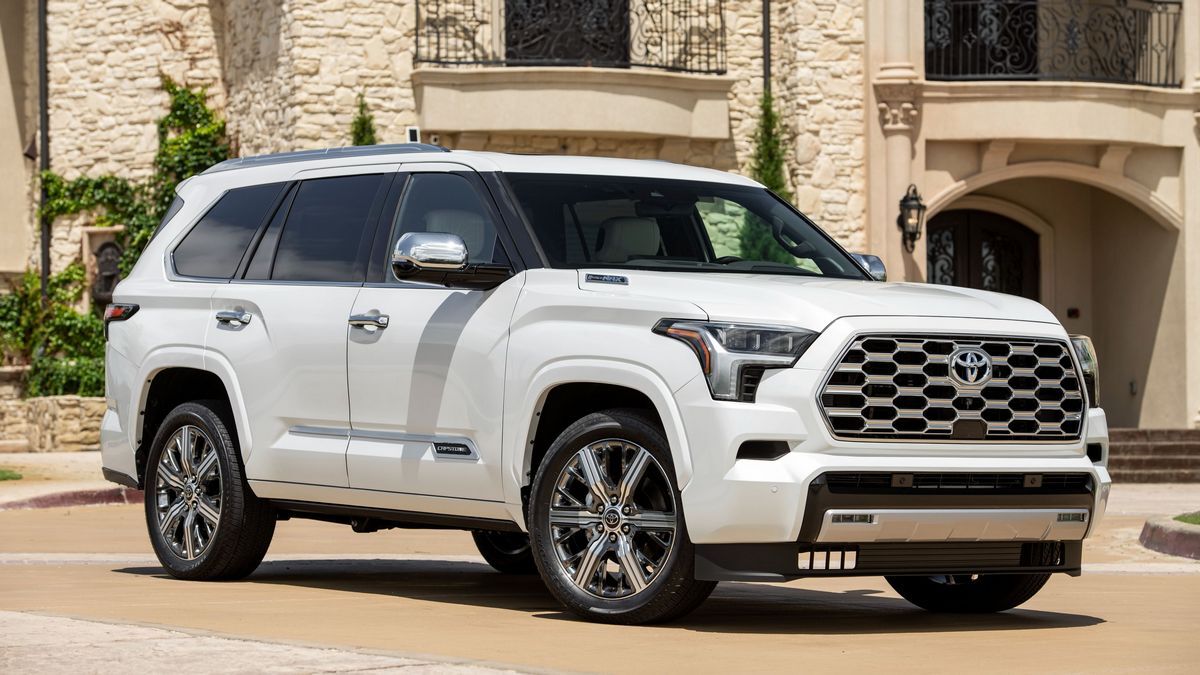
Rethinking the Heavyweight Legacy
Unmasking the True Ecological Cost
When discussing the environmental footprint of large utility vehicles, the conversation often stops at tailpipe exhaust. However, to truly understand the impact of these popular machines, one must look far beyond daily fuel consumption. The sheer physical stature of these vehicles dictates a higher baseline for energy usage. Larger frames require more steel, aluminum, and glass, instantly elevating the initial manufacturing debt compared to smaller counterparts. This creates distinct carbon emission profiles that are significantly heavier before the engine is ever turned on.
The analysis of a vehicle’s impact is incomplete without a comprehensive life cycle assessment. This approach tracks the environmental cost from the extraction of raw ores used in the chassis to the energy required for final assembly. For larger vehicles, this assessment reveals that their aerodynamic drag and rolling resistance are not just fuel economy issues; they are systemic efficiency challenges. Even as the sector moves toward electrification, the weight of the batteries required to propel a heavy SUV means that the mining and refining impact remains considerable.
Furthermore, the operational phase is only the middle chapter of the story. The energy required to maintain, repair, and eventually dispose of these substantial machines adds to their cumulative burden. Addressing this requires a shift in perspective—viewing the vehicle not as a standalone product, but as a consumable that interacts with the environment at every stage. The challenge lies in balancing consumer demand for safety and space with the urgent need to reduce the cumulative ecological weight these vehicles carry.
| Feature Comparison | Traditional SUV Approach | Eco-Conscious Design Approach |
|---|---|---|
| Aerodynamics | Boxy designs prioritizing maximum cargo space | Streamlined silhouettes to reduce drag |
| Weight Strategy | Heavy steel usage for rigidity | Lightweight alloys and composites |
| Resource Focus | Performance and luxury aesthetics first | Efficiency and material reduction first |
| Tire Design | Standard grip focus, higher rolling resistance | Low rolling resistance to improve efficiency |
| Energy Source | Internal combustion dominance | Hybrid or full electrification priority |
The Revolution in Materials and Making
From Factory Floors to Interior Fabrics
The transformation of the automotive landscape is most visible inside the factory and the cabin. To counteract the inherent environmental costs of building large vehicles, manufacturers are increasingly turning to green manufacturing practices. This involves a fundamental redesign of the assembly line itself. Modern facilities are moving away from fossil-fuel-dependent energy grids, instead utilizing on-site renewable energy sources like solar arrays and wind turbines. Additionally, water usage in painting and cooling processes is being drastically reduced through closed-loop recycling systems, ensuring that the production of a vehicle does not deplete local freshwater reserves.
Simultaneously, the interior of the modern SUV is undergoing a quiet revolution through sustainable material adoption. The era of relying solely on virgin plastics and resource-intensive animal leathers is fading. In their place, designers are utilizing high-quality alternatives derived from unexpected sources. Recycled PET bottles are being spun into durable upholstery, while fishing nets reclaimed from the ocean are processed into floor mats and trim. Even dashboard components are seeing an infusion of organic materials, such as flax and hemp fibers, which offer structural integrity without the weight or carbon footprint of traditional plastics.
This shift is not merely aesthetic; it represents a tangible reduction in the embodied carbon of the vehicle. By sourcing materials that are either recycled or rapidly renewable, manufacturers can decouple production growth from resource depletion. This material innovation also serves a dual purpose: it appeals to an increasingly eco-aware consumer base while simultaneously lowering the overall mass of the vehicle, which in turn improves efficiency regardless of the powertrain.
Closing the Loop and Following Rules
Designing for the End and Meeting Standards
The final frontier in making large vehicles sustainable lies in planning for their eventual obsolescence. Historically, vehicles were designed with little thought given to how they would be taken apart, leading to massive amounts of waste in landfills. Today, the concept of recyclable component design is reshaping how engineers draft blueprints. The goal is to create vehicles where every part, from the battery pack to the bumper, can be easily disassembled and repurposed. This "design for disassembly" ensures that valuable rare earth metals and high-grade polymers remain in the production loop rather than becoming trash.
This shift is not happening in a vacuum; it is heavily driven by regulatory compliance pressure. Governments and international bodies are setting increasingly stringent standards for fleet-wide emissions and material recovery rates. These rules act as a powerful catalyst, forcing manufacturers to move beyond voluntary green initiatives to mandatory sustainability benchmarks. The penalties for non-compliance are becoming severe enough that sustainability is no longer just a marketing buzzword—it is a financial necessity for survival in the global market.
Consequently, the lifecycle of a modern SUV is beginning to look less like a straight line to the junkyard and more like a circle. Batteries from electric SUVs are being given second lives as stationary energy storage units for homes and businesses. Metal frames are melted down to become the chassis of the next generation. This circular economy approach ensures that the resources extracted today continue to provide value decades into the future, fundamentally altering the environmental equation of owning a large vehicle.
| Buyer Decision Guide | Passive Consumer | Active Eco-Conscious Buyer |
|---|---|---|
| Research Focus | Focuses on horsepower and aesthetic trends | Investigates manufacturer supply chain ethics |
| Material Choice | Accepts standard leather and plastics | Seeks vegan interiors and recycled textiles |
| End-of-Life View | Considers resale value only | Considers recyclability and battery disposal |
| Efficiency Goal | Looks at city/highway MPG or range | Evaluates total lifecycle efficiency rating |
| Brand Loyalty | Follows brand prestige | Follows brand's sustainability track record |
Q&A
-
What are Carbon Emission Profiles and why are they important for businesses?
Carbon Emission Profiles are detailed accounts of the amount of carbon dioxide and other greenhouse gases that a company or product emits during its lifecycle. These profiles are crucial for businesses as they help identify the sources of emissions, enabling companies to implement strategies to reduce their carbon footprint, comply with environmental regulations, and improve their sustainability credentials. Understanding these profiles can also enhance a company's reputation and competitiveness in a market increasingly focused on environmental responsibility. -
How does Sustainable Material Adoption impact product design and manufacturing?
Sustainable Material Adoption involves choosing materials that have a lower environmental impact throughout their lifecycle. This can affect product design by encouraging the use of eco-friendly materials such as recycled plastics, bamboo, or biodegradable composites, which can reduce waste and energy consumption. In manufacturing, it can lead to process innovations that decrease resource use and emissions, ultimately contributing to more sustainable and responsible production methods. -
What role does Recyclable Component Design play in modern manufacturing?
Recyclable Component Design focuses on creating products with parts that can be easily disassembled and recycled at the end of their life. This approach minimizes waste and maximizes resource recovery, supporting a circular economy. In modern manufacturing, this design philosophy can lead to cost savings on materials, reduce environmental impact, and align with consumer preferences for sustainable products. It also supports compliance with regulations that encourage or mandate recycling and sustainable disposal practices. -
Why is Life Cycle Assessment (LCA) important in evaluating the environmental impact of a product?
Life Cycle Assessment (LCA) is a methodology used to assess the environmental impacts associated with all stages of a product's life from cradle to grave. It is important because it provides a comprehensive view of the environmental effects of a product, enabling companies to identify areas for improvement, reduce negative impacts, and make informed decisions about product design, material selection, and manufacturing processes. LCA helps in communicating the sustainability of products to stakeholders and consumers, thereby enhancing transparency and trust. -
How does Regulatory Compliance Pressure influence Green Manufacturing Practices?
Regulatory Compliance Pressure refers to the need for businesses to adhere to environmental laws and regulations that aim to reduce industrial emissions and promote sustainability. This pressure influences Green Manufacturing Practices by pushing companies to adopt cleaner technologies, reduce waste, and improve energy efficiency to meet legal requirements. Compliance can also drive innovation, as companies seek to develop new methods and products that are both economically viable and environmentally friendly, ensuring long-term operational sustainability.